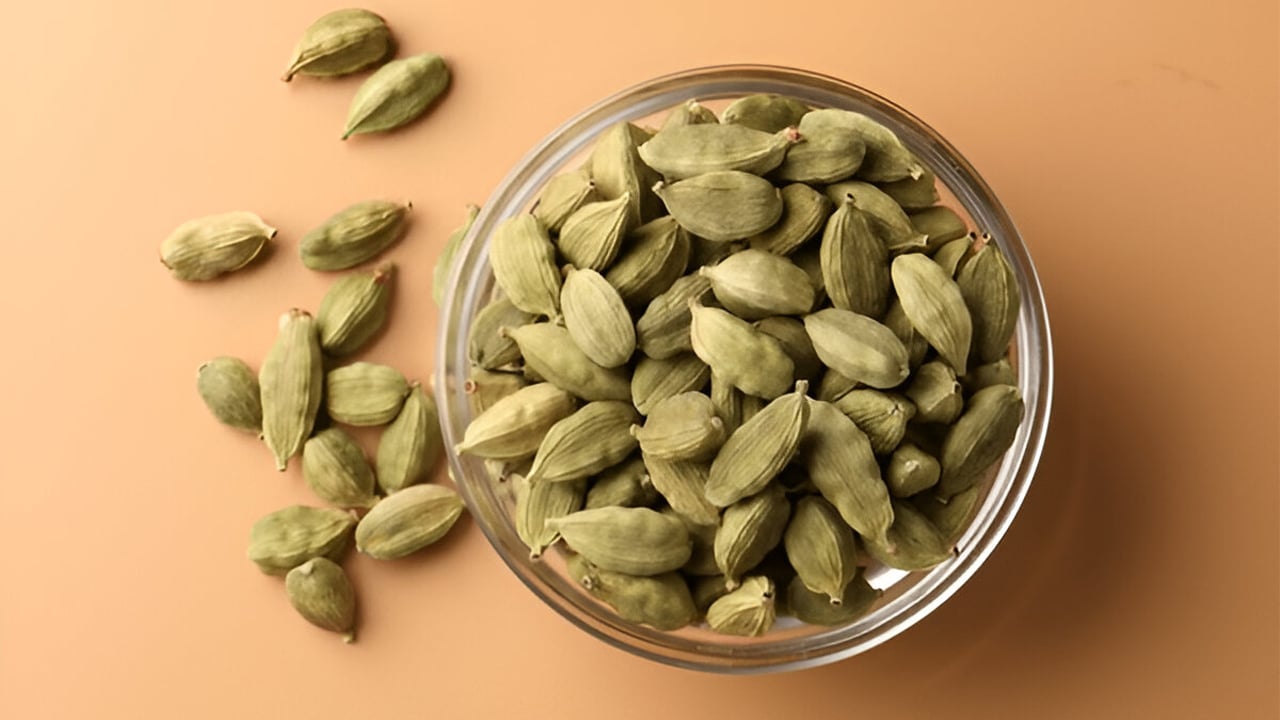

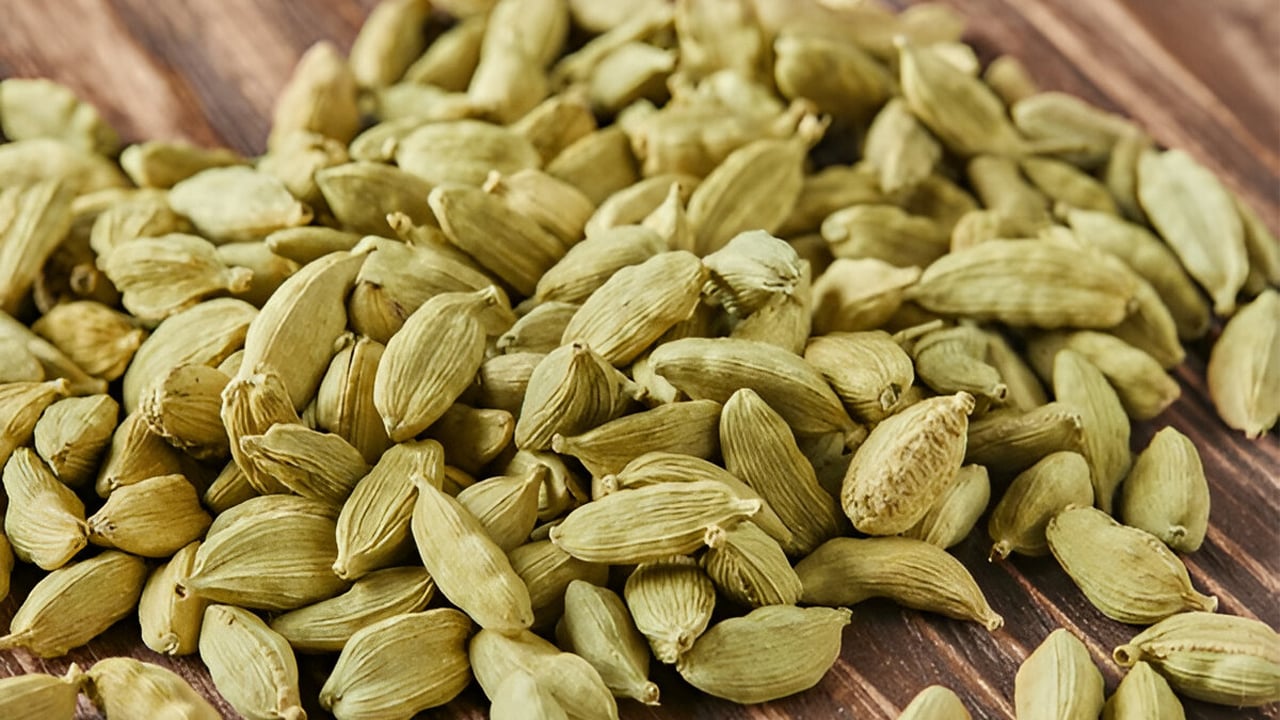
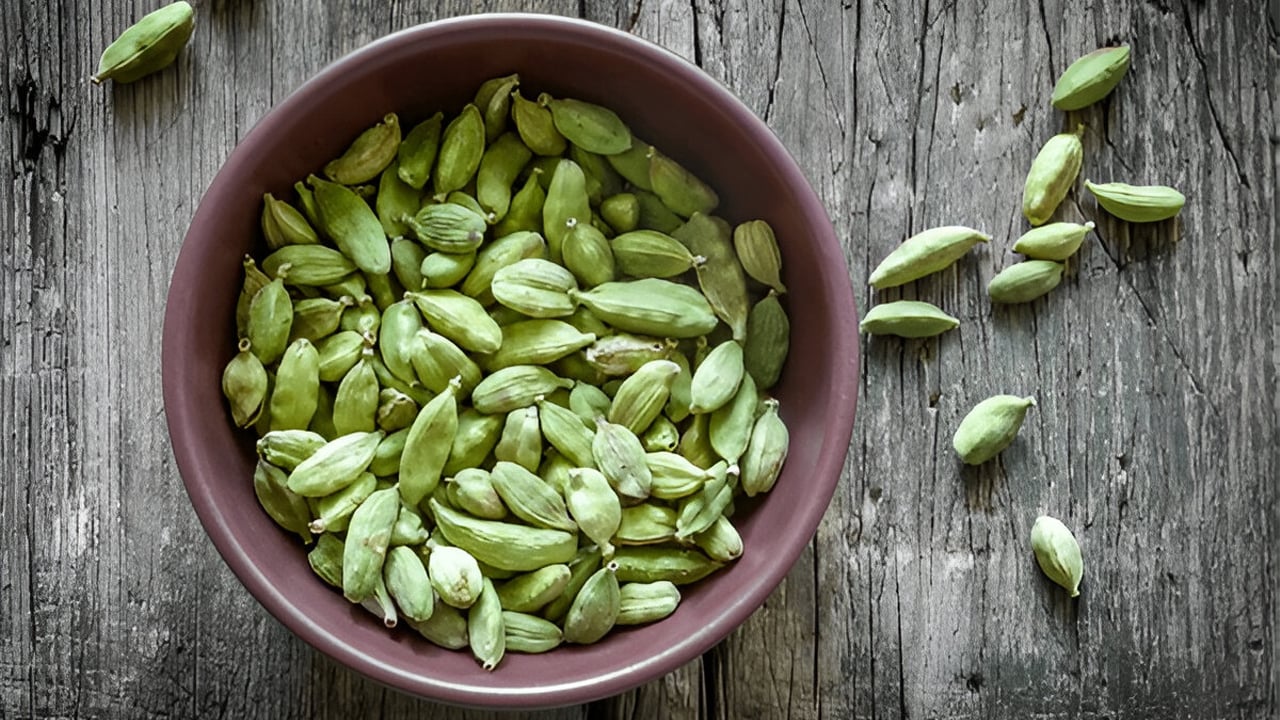
Cardamom — known in Sinhala as Karadamungu — holds a central place in Sri Lankan spice culture. Harvested from the seed pods of Elettaria cardamomum, a flowering plant in the ginger family, it carries a warm, slightly sweet fragrance that distinguishes it from almost every other spice in the world. Sri Lanka has cultivated cardamom for centuries, and the crop remains woven into the island's cuisine, traditional medicine, and export economy.
Where Is Cardamom Grown in Sri Lanka?
The central highlands provide ideal conditions for cardamom: cool temperatures, high humidity, partial shade under forest canopy, and well-drained loamy soils. The districts around Kandy, Matale, and Nuwara Eliya account for the bulk of production, with smaller cultivation pockets found in the Ratnapura and Kegalle areas of the Sabaragamuwa province.
Cardamom grows as an understorey crop, often intercropped with Ceylon tea or cinnamon on estate land. The plants can reach two to three metres in height and produce clusters of seed pods directly from the base of the stem — a botanical trait called radical bearing. Each pod is harvested by hand before it fully ripens, which is one reason the spice commands a premium on global markets.
Visiting a spice garden in the Kandy or Matale region gives travellers a rare chance to see cardamom alongside pepper, cloves, and nutmeg in one working landscape. Many gardens offer short guided walks where harvest and drying techniques are explained in detail. The Kandy city tour frequently includes a stop at one of these gardens.
What Does Sri Lankan Cardamom Taste Like?
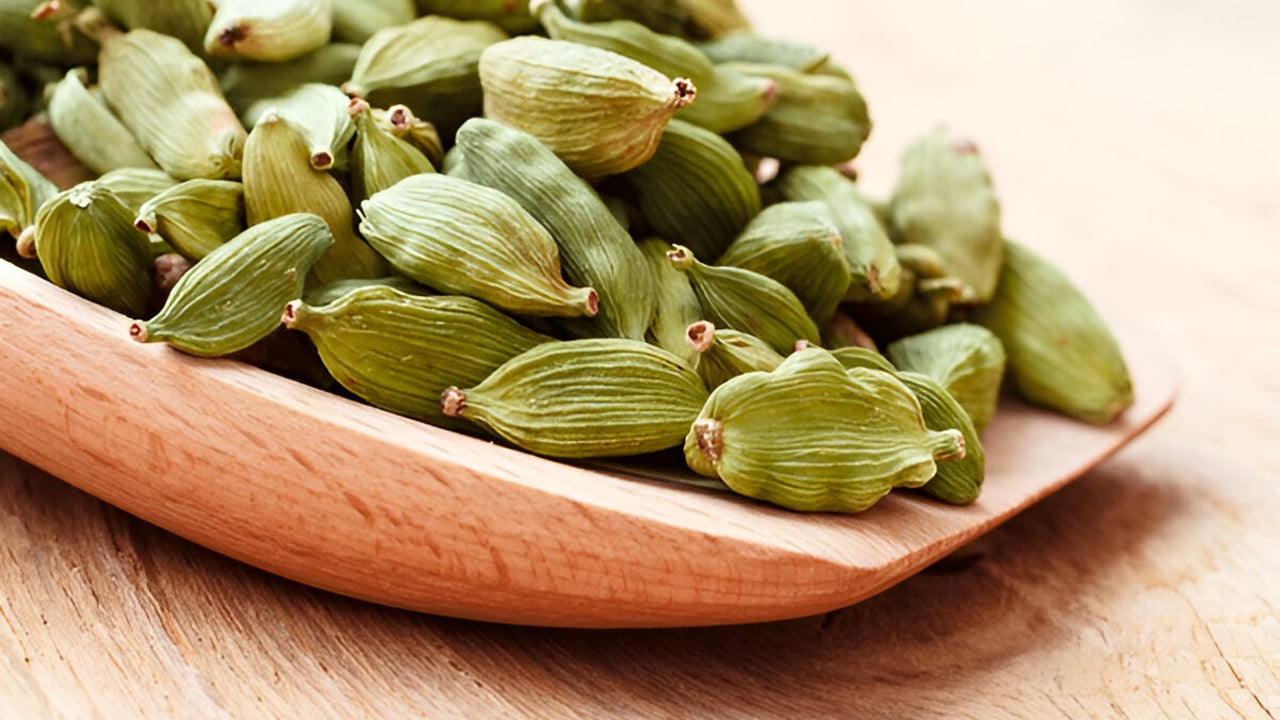
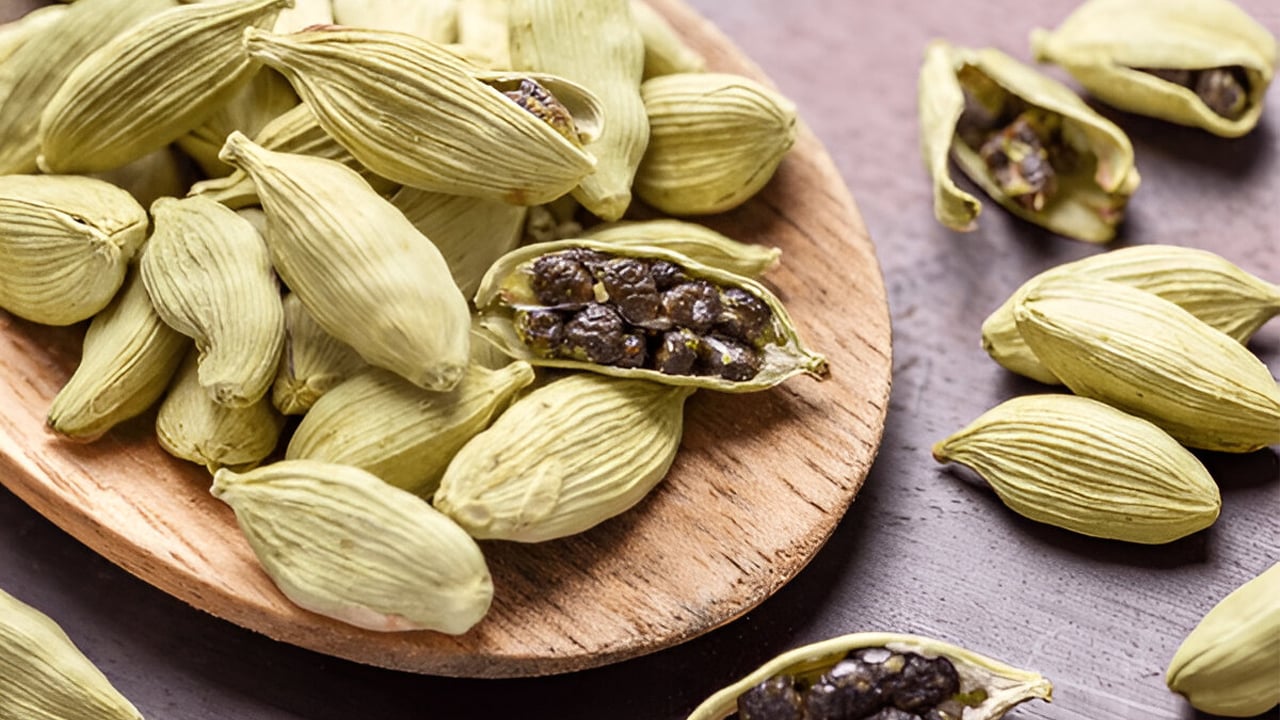
Sri Lankan green cardamom is prized for its high volatile-oil content, which gives it a more complex, eucalyptus-tinged warmth compared with some other origins. The pods are small and oval, the seeds tightly packed and dark. When lightly bruised, they release an aroma that is simultaneously floral, spicy, and subtly citrusy.
This aromatic richness makes Sri Lankan cardamom particularly well suited to both savoury and sweet applications. In local cooking it flavours rice dishes, meat curries, and the spiced milk tea known as kiri te. In international markets it is prized for use in Scandinavian baked goods, Middle Eastern coffee, and Indian masala chai. The husk — the dry outer shell of the pod — is also used separately in teas and infusions, adding a milder, more woody note.
How Is Cardamom Harvested and Processed?
The main harvest season runs roughly from August through December, though the exact window shifts depending on elevation and annual rainfall. Workers move through the plantation every few weeks, selectively picking pods that have reached the right stage of maturity — still green, firm, and not yet split. A single plant can continue bearing for up to fifteen years, making cardamom a long-term investment for estate farmers.
After picking, pods are typically washed and then dried. Traditional sun-drying can take several days; modern processing uses low-heat curing rooms that preserve the green colour and essential-oil content more reliably. Well-processed pods retain a bright green exterior, which is the marker buyers and exporters look for. Pods that crack or turn white during drying are downgraded or processed into ground cardamom and extracts.
What Are the Health Benefits of Cardamom?
Cardamom has been used in Ayurvedic and Unani medicine for a very long time, and modern research has begun to examine some of those traditional claims. The spice contains significant amounts of cineole and other volatile compounds that have demonstrated antimicrobial and anti-inflammatory activity in laboratory studies. It is commonly used as a digestive aid, taken after meals to ease bloating and nausea.
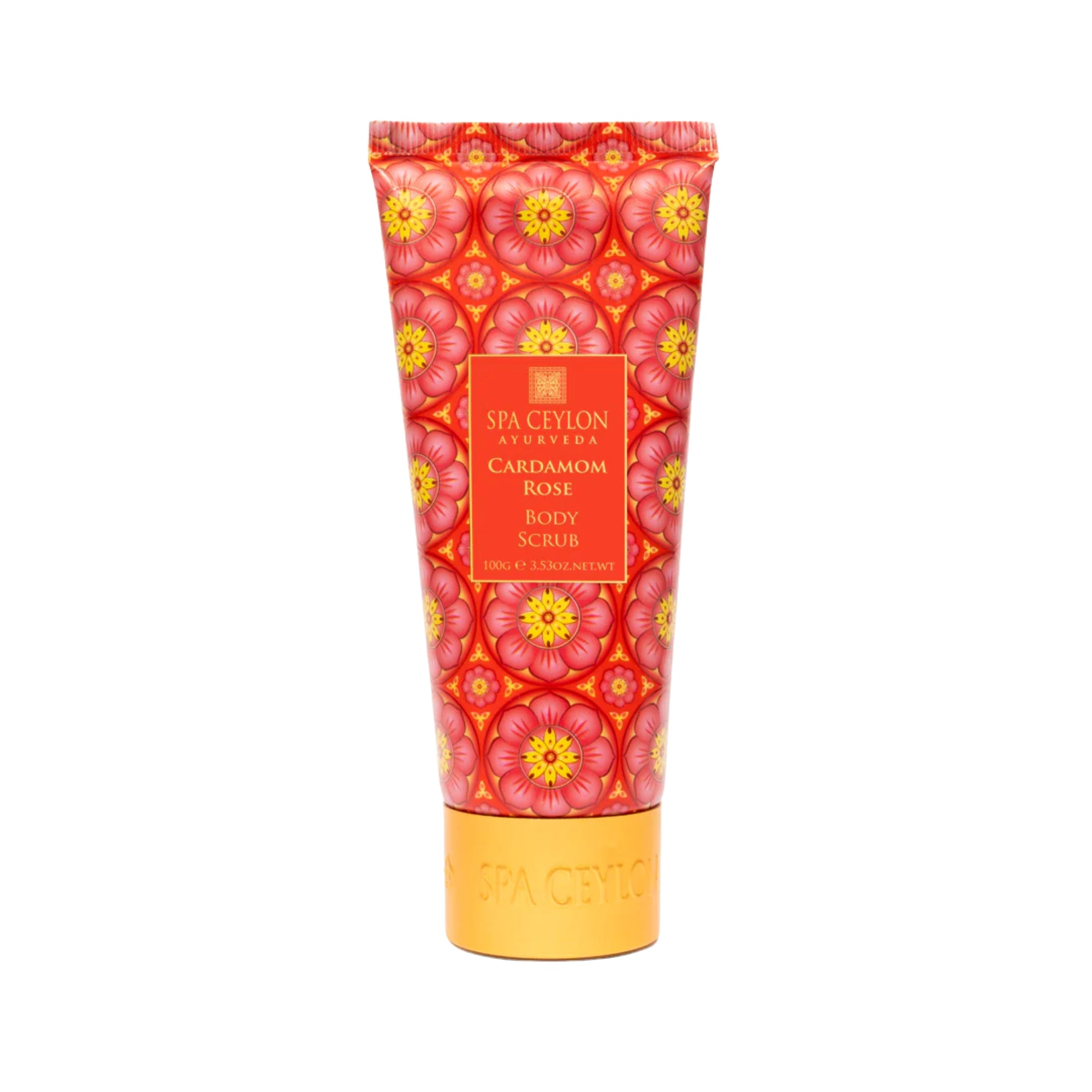
Cardamom is also one of the better-known natural breath fresheners — chewing a pod releases volatile oils that neutralise odours. In Sri Lanka it appears in a range of wellness formulations, from herbal teas to Ayurvedic compound medicines. Products derived from the husk, seeds, and extracted oil are used in cosmetics, aromatherapy, and topical preparations as well.
It is worth noting that while cardamom has a strong tradition of medicinal use, any specific health claims should be discussed with a qualified practitioner. The spice is a food ingredient first and a supplement second.
How Does Cardamom Fit Into Sri Lankan Cuisine?
In the Sri Lankan kitchen, cardamom is rarely the dominant flavour but almost always present as part of a spice blend. It appears in ambul thiyal (sour fish curry), in the aromatic rice dish kiri bath prepared for special occasions, and in sweets like watalappan, the jaggery-coconut custard that is a Malay-influenced favourite across the island.
Cardamom tea — brewed with crushed pods, black tea leaves, milk, and sometimes ginger — is a common home remedy and a warming café staple. The spice pairs naturally with Ceylon black pepper in savoury spice mixes, and with cinnamon and cloves in sweet preparations. Across the hill country, small roadside stalls sell cardamom-infused koththu and rice dishes that carry a distinctly highland perfume.
Can I Buy Sri Lankan Cardamom to Take Home?
Cardamom is one of the most practical souvenirs from Sri Lanka. Whole pods, ground spice, cardamom-blended teas, and essential oils are widely available at spice gardens, supermarkets, and airport duty-free shops. When buying whole pods, look for a uniform green colour, firm texture, and strong aroma — these are the indicators of good quality and proper drying.
Cardamom products — seeds, husks, teas, and wellness items — are also available through Lakpura's online store, sourced from reputable Sri Lankan producers and shipped internationally. Ground cardamom loses its volatile oils relatively quickly, so whole pods or sealed extracts are a better choice if you plan to store the spice for more than a few months.
What Is Cardamom's Role in Sri Lanka's Export Economy?
Sri Lanka is one of the world's notable producers of true green cardamom, alongside Guatemala and India. The crop is a significant foreign-exchange earner within the broader spice sector, which also encompasses cloves, pepper, and cinnamon. Demand from Middle Eastern and European markets has kept export volumes steady, and growing global interest in ethically sourced, traceable spices has created new opportunities for small-scale highland farmers.
The Sri Lanka Export Development Board and the Department of Agriculture provide technical support to cardamom growers, and several estate operations have pursued organic certification to access premium export markets. The spice's relative rarity compared with other global commodities means that quality Sri Lankan cardamom consistently attracts strong prices at auction.
Related reading
3 pages on closely related subjects.