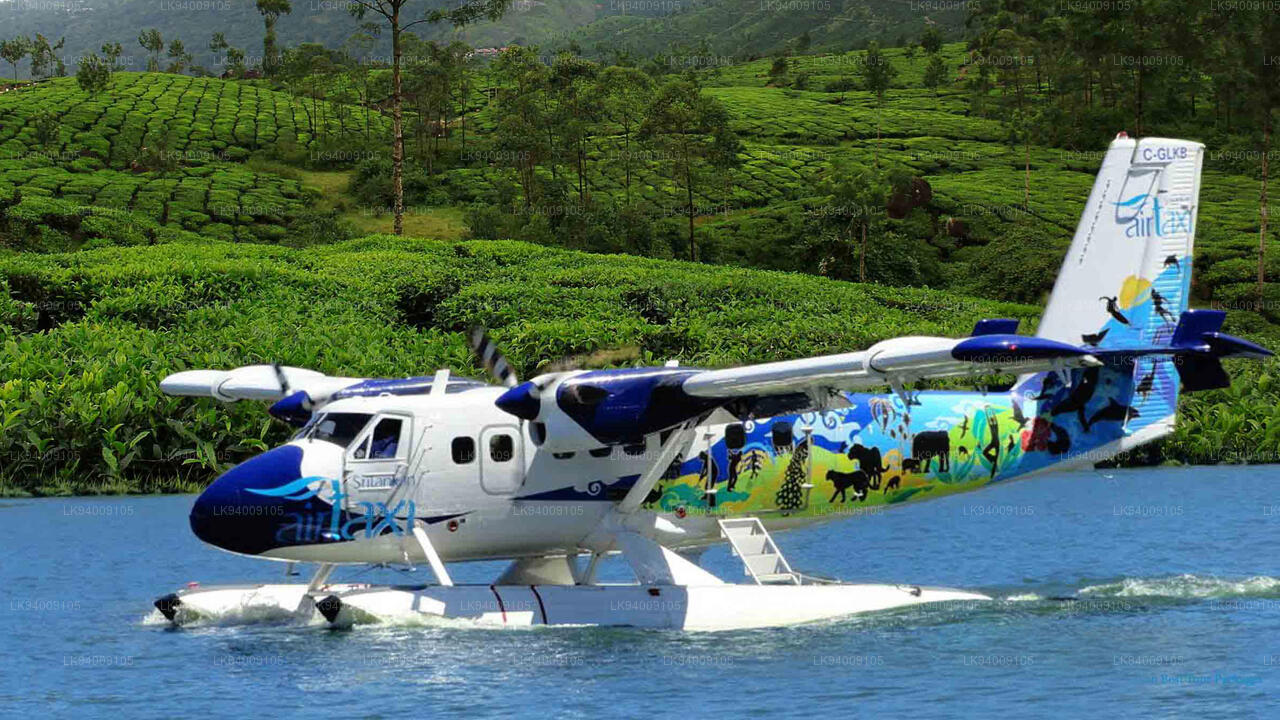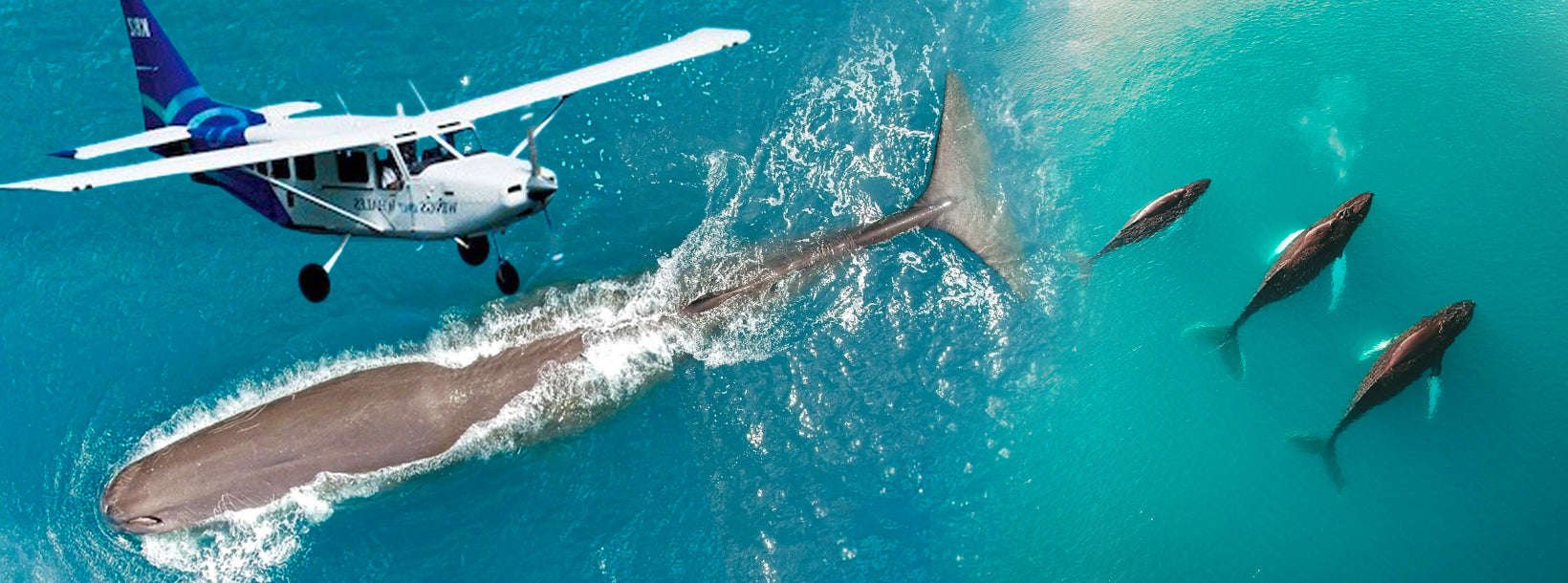
The Cessna 208 Grand Caravan registered 4R-CAG is a single-engine turboprop built for reliability across challenging routes. Whether operating from a short grass strip or a regional aerodrome, this aircraft carries passengers and cargo to destinations that road or rail cannot easily reach. Lakpura uses it as part of a fleet designed to give travellers in Sri Lanka a faster, more comfortable alternative to long overland journeys.
What kind of aircraft is the Cessna 208 Grand Caravan?
The Grand Caravan is the stretched, higher-capacity member of Cessna's 208 Caravan family. Powered by a Pratt & Whitney Canada PT6A-140 turboprop engine producing 867 shaft horsepower at takeoff, it combines the rugged simplicity of a single-engine design with turbine-engine reliability. The aircraft holds a strong safety record in regional aviation worldwide and is certificated for flight into known icing conditions, making it versatile across seasons and altitudes.
Its short takeoff and landing (STOL) capability is one of its most practical qualities. With a takeoff roll of around 682 m and a landing roll of around 411 m, it can use shorter regional strips that larger aircraft cannot access — an important advantage in Sri Lanka's smaller airfields.
How many passengers does the 4R-CAG carry?
In a standard passenger configuration the aircraft accommodates 1 pilot and up to 10 passengers. The original Grand Caravan airframe can be configured for as many as 14 passenger seats in high-density layouts, but regional operators typically seat fewer passengers to allow comfortable cabin spacing and generous baggage allowances.
The cabin volume of 7.1 m³ means there is enough room for overhead and under-seat luggage for all passengers. A dedicated aft cargo pod can be fitted to extend cargo capacity further on freight or mixed operations.
What are the performance specifications of the 4R-CAG?
| Parameter | Value |
|---|---|
| Maximum cruise speed | 340 km/h |
| Maximum range | 1,970 km |
| Service ceiling | 7,620 m |
| Rate of climb | 4.23 m/s |
| Stall speed | 97 km/h |
| Takeoff distance | 682 m |
| Landing distance | 411 m |
A service ceiling of 7,620 m means the aircraft can overfly most weather systems encountered at low to mid altitudes, contributing to consistent schedule reliability on shorter hops across the island.
What are the dimensions and weight limits?
| Parameter | Value |
|---|---|
| Wingspan | 15.88 m |
| Length | 12.67 m |
| Height | 4.70 m |
| Cabin volume | 7.1 m³ |
| Max takeoff weight (MTOW) | 3,995 kg |
| Useful load | 1,745 kg |
| Standard fuel tank capacity | 1,252 L |
The useful load of 1,745 kg gives operators flexibility to balance passengers, baggage, and fuel depending on route length — longer legs carry more fuel, shorter hops allow heavier payloads.
What routes does the Grand Caravan serve in Sri Lanka?
In Sri Lanka, the Grand Caravan is well suited to routes connecting Colombo's Bandaranaike International Airport or Ratmalana Airport with regional aerodromes at Batticaloa, Ampara, Anuradhapura, Sigiriya, Koggala, and Dickwella. These routes take roughly 40–75 minutes by air versus several hours overland — a meaningful saving on a short holiday itinerary.
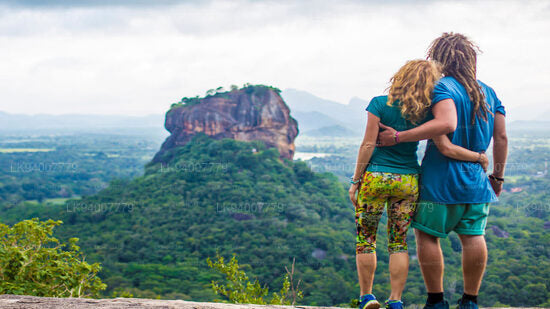
Travellers heading to the cultural heartland can combine an air transfer with a visit to the Sigiriya rock fortress, arriving refreshed rather than fatigued after a long drive. Similarly, an air hop to the south coast opens up the beaches and waterways of the Galle area far more efficiently for guests with limited time.
How does flying compare to driving across Sri Lanka?
Sri Lanka's road network, though improving, still involves winding mountain passes and heavy traffic around Colombo. A journey from Colombo to Batticaloa by road typically takes six or more hours; by air it takes under an hour. For travellers who want to cover the Cultural Triangle, hill country, and coast within a single trip, air transfers allow more time at each destination rather than in transit.
The Grand Caravan's STOL performance means it is not limited to Sri Lanka's two main airports. Smaller strips near wildlife parks and coastal towns are accessible, including those near Udawalawe National Park in the south, allowing seamless transfers to safari departures.
Is the Cessna 208 Grand Caravan safe and comfortable?
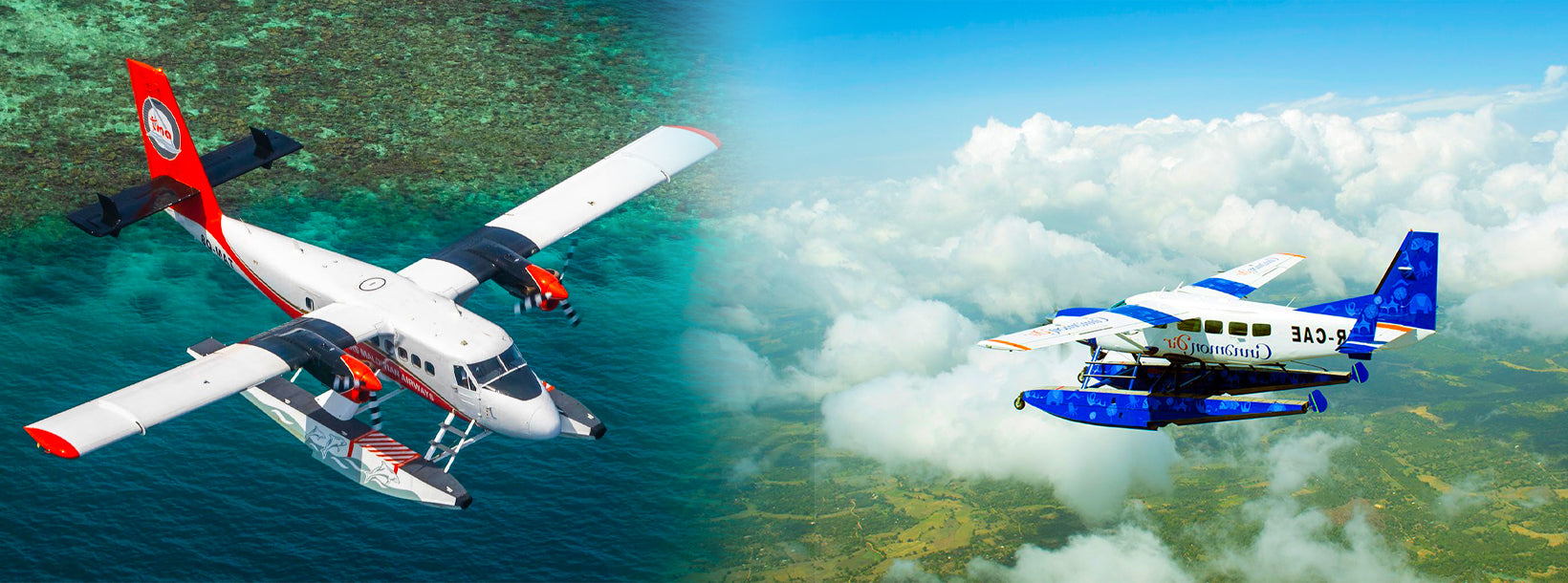
The PT6A turboprop engine has one of the longest-running safety records in general aviation. The Grand Caravan airframe is designed to operate in remote environments — including floatplane and amphibious variants — which underscores the structural robustness built into the platform. Passengers sit in individual or paired seats along each side of the cabin, with windows beside every row, giving clear views of the Sri Lankan landscape below.
Noise levels are higher than on a jet aircraft, as is typical for turboprops, and the cabin is unpressurised. Flights operated at the lower altitudes used on Sri Lankan routes are generally smooth, though brief turbulence over the central highlands is possible in the afternoon when thermal activity builds up.
What should I bring on a Grand Caravan flight in Sri Lanka?
- Carry-on luggage only: soft-sided bags are easier to stow in the compact cabin than rigid suitcases.
- Weight awareness: regional operators impose baggage weight limits that are lower than those on commercial airlines — confirm your allowance at booking.
- Sun protection: large cabin windows let in significant sun at cruise altitude; a hat and sunglasses are practical.
- Camera or phone: aerial views of the island's coastline, paddy plains, and hill country are among the most memorable moments of any Sri Lanka itinerary.
- Light layers: cabin temperature can vary on short flights; a light jacket is useful.