
Saliyapura is a small but quietly significant township in Sri Lanka's North Central Province, set a short distance from the ancient city of Anuradhapura. It sits within the dry zone heartland of the island, a landscape shaped over millennia by rice cultivation, reservoir engineering, and Buddhist tradition. For most visitors, Saliyapura is a point of passage on the road to Anuradhapura's sacred precincts, yet the town carries its own distinct character rooted in agriculture, community life, and the slow rhythms of rural Sri Lanka.
Where exactly is Saliyapura, and how do I get there?
Saliyapura lies within the Anuradhapura District, a few kilometres from the Anuradhapura city centre along the road network that fans out across the North Central Province. The town is accessible by bus from Anuradhapura, and private vehicles or taxis can reach it comfortably from the city in under thirty minutes. From Colombo, Anuradhapura is roughly five hours by road or around four hours on the express train, making Saliyapura a feasible stop within a longer itinerary covering the Cultural Triangle.
The surrounding road network connects the township to nearby centres such as Tambuttegama to the north-west, giving residents and travellers reasonable access to a wider range of services across the province.
What is Saliyapura known for?
The town is perhaps best known outside the immediate district for housing a major Sri Lanka Army cantonment. This military presence has shaped the township considerably over recent decades, driving demand for local commerce and contributing to the growth of housing, roads, and utilities in an area that might otherwise have developed more slowly. Small shops, canteens, and service businesses line the main road, serving soldiers, their families, and the broader farming community.
Beyond its military connection, Saliyapura is fundamentally an agricultural settlement. Paddy cultivation dominates the seasonal calendar, with smallholder farmers managing fields that depend on the ancient tank-and-canal irrigation systems inherited from Sri Lanka's classical civilisation. These hydraulic networks — many of which trace their origins to the Anuradhapura and Polonnaruwa kingdoms — continue to function across the dry zone, channelling rainwater from seasonal rainfall into the fields that feed local families.
How does traditional irrigation shape life in this area?
The dry zone of Sri Lanka averages relatively low annual rainfall concentrated in the north-east monsoon months, roughly October to January. Outside this window, agriculture relies almost entirely on water stored in wewas — the Sri Lankan term for the large reservoirs constructed by ancient kings and maintained by rural communities ever since. Around Saliyapura, these tanks and their associated canal networks reflect an engineering tradition that has few parallels in the ancient world.
Rice, or paddy, is the staple crop, but farmers also cultivate vegetables and other dry-zone produce during the maha (main) and yala (secondary) cultivation seasons. The paddy field — known locally as kumbura — remains central to cultural identity across the North Central Province. For more background on this tradition, see the Lakpura page on the paddy field (kumbura).
What can I see near Saliyapura?
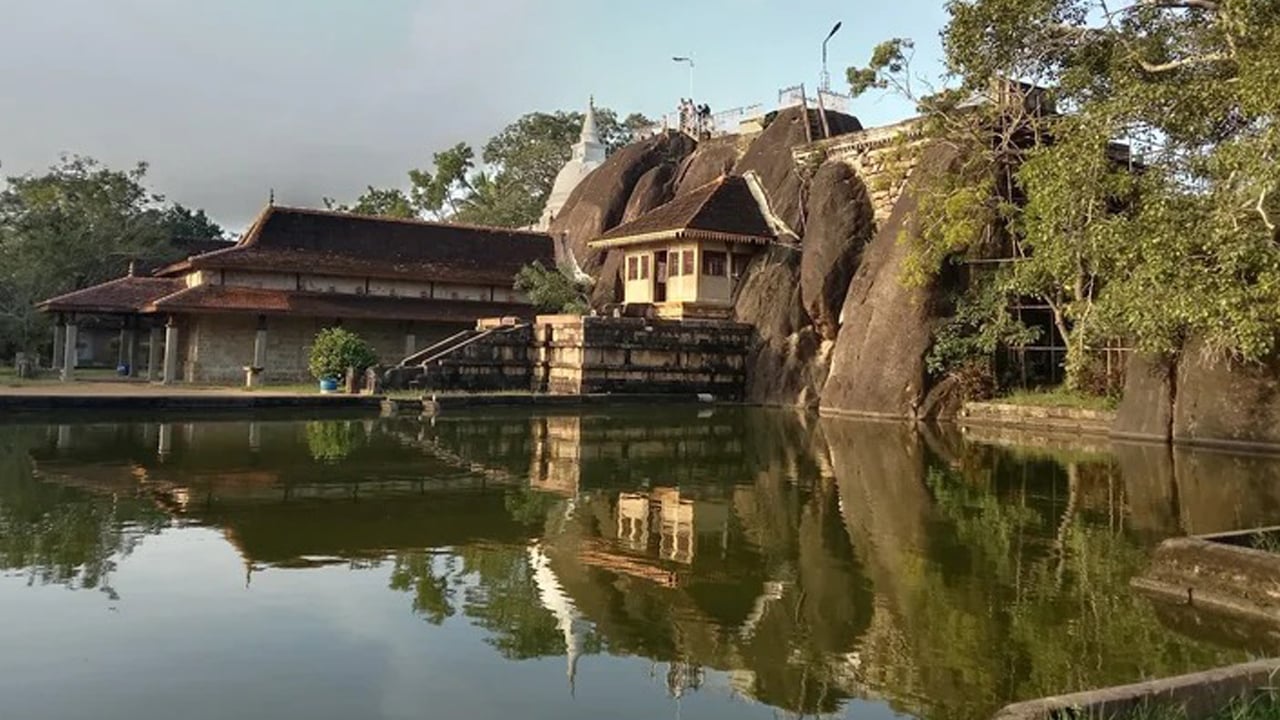
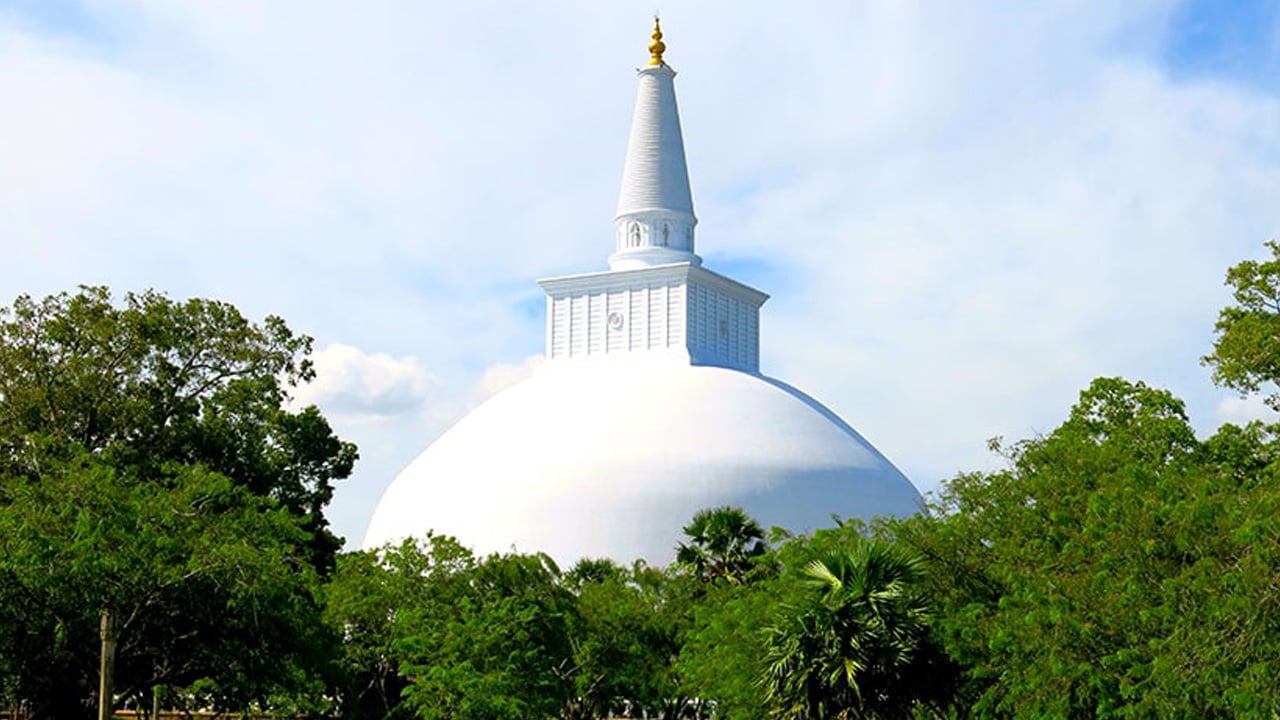
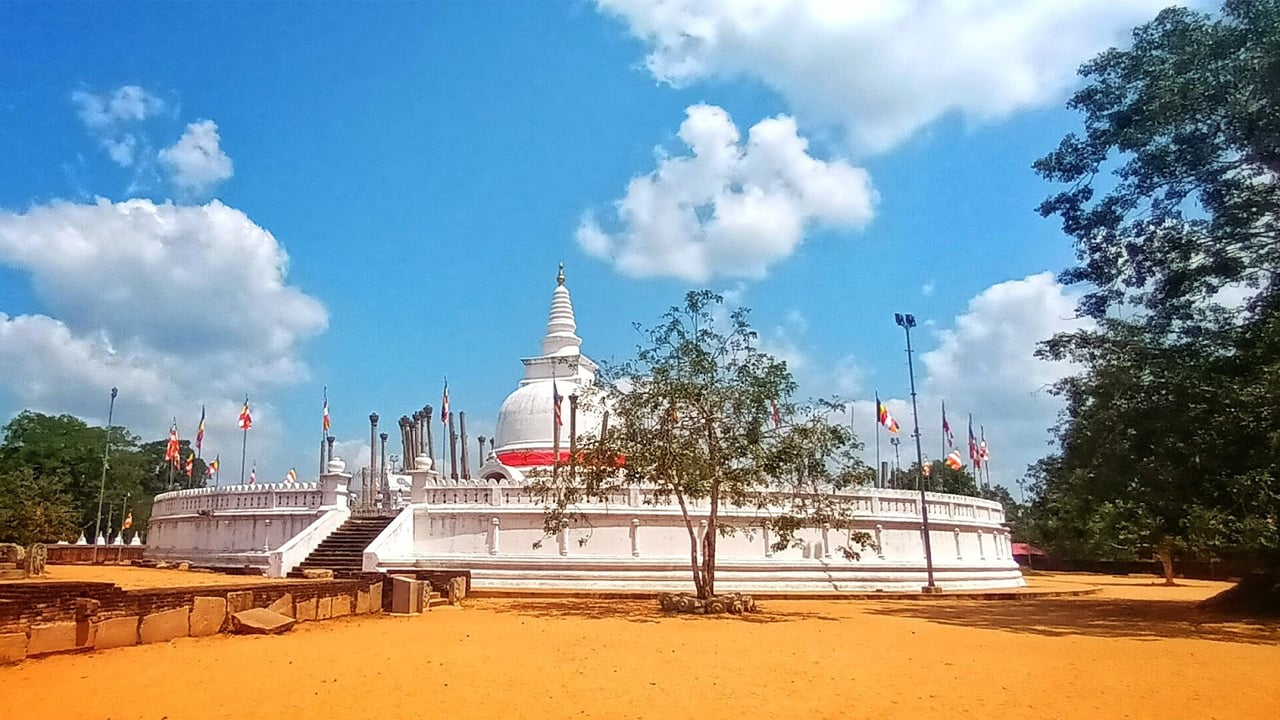
The principal draw of the surrounding region is Anuradhapura itself — one of the oldest continuously inhabited cities in the world and a UNESCO World Heritage Site. The sacred city contains some of the most important Buddhist monuments in Asia, including the Sri Maha Bodhi (the oldest historically documented tree in the world), the Ruwanwelisaya stupa, and the Thuparamaya dagoba. Pilgrims arrive from across Sri Lanka and South Asia, and the atmosphere around these sites is markedly different from a conventional tourist attraction.
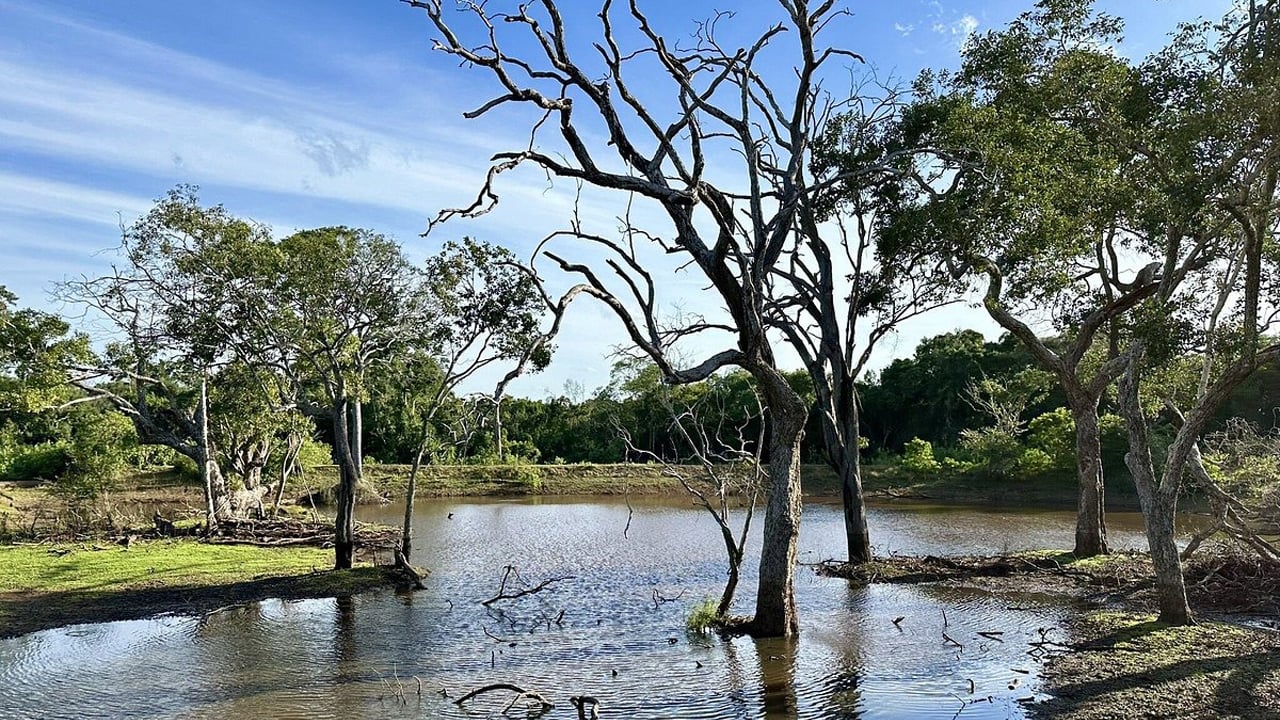
For travellers extending their stay in the province, Wilpattu National Park lies to the west of Anuradhapura — one of Sri Lanka's largest and oldest national parks, known for its leopard population and distinctive natural lakes called villus. The ancient city of Polonnaruwa lies further south-east and can be combined with an Anuradhapura visit on a multi-day itinerary through the Cultural Triangle.
Within Saliyapura itself, Buddhist temples serve the local community and are typically open to respectful visitors. The temple calendar follows the lunar cycle, and poya (full moon) days see heightened religious activity, with residents observing sil and making offerings at the shrine rooms.
What is the best time to visit the Anuradhapura area?
The dry season in the North Central Province typically runs from around May to September, when daytime temperatures are high but rainfall is minimal and roads remain reliably passable. This period suits visitors who want uninterrupted access to outdoor archaeological sites. The north-east monsoon (October to January) brings welcome rains that replenish tanks and cool the air, though some unpaved rural tracks can become muddy.
The Esala Perahera Festival in Kandy — held in July or August — draws large visitor numbers island-wide, so accommodation across the Cultural Triangle can be tighter during this window. Poya days throughout the year, particularly Poson Poya in June, attract large pilgrim groups to Anuradhapura specifically, making the sacred precincts more crowded but also more atmospherically charged.
What should I know about staying near Saliyapura?
Most accommodation options in the immediate area are modest guesthouses catering to domestic travellers, military families, and visiting officials. Visitors seeking more comfortable lodging typically base themselves in Anuradhapura city, where a broader range of hotels and guesthouses is available. From there, Saliyapura and the surrounding villages make for easy half-day excursions by tuk-tuk or hired vehicle.
Self-catering provisions — fresh vegetables, rice, dried spices, and locally produced goods — are available from small markets in the township. The local food culture reflects the broader North Central Province tradition: rice and curry meals anchored by fresh produce, lentil preparations, and dried fish, served with generous amounts of coconut sambol.
Is Saliyapura suitable for travellers interested in rural Sri Lanka?
For travellers drawn to everyday Sri Lankan life rather than curated tourist attractions, the area around Saliyapura offers a genuine glimpse into how a dry-zone rural community functions across the seasons. The visible interplay between ancient irrigation infrastructure and contemporary farming, the rhythm of temple-going and market days, and the unhurried pace of the township all reflect a pattern of life that has changed relatively little in its broad outlines over centuries.
Community-oriented travellers may find value in simply observing — and where possible respectfully engaging with — the agricultural landscape: paddy fields at different stages of the growing cycle, oxen-drawn ploughs working small plots, and the distant shimmer of a full tank in the early morning. This kind of quiet, observational travel rewards patience and does not depend on organised tours or commercial activities.