
Kaduwela sits roughly 16 km east of central Colombo, straddling the boundary between the capital's dense urban core and the quieter residential landscape of the Western Province. Covering approximately 87.7 km², it is one of Sri Lanka's larger municipal council areas by land, encompassing well-known sub-localities such as Battaramulla, Malabe, and Athurugiriya. For travellers transiting through Colombo or settling in before a longer Sri Lanka journey, Kaduwela functions as a practical, well-connected base without the congestion or cost of the city centre.
Where exactly is Kaduwela, and how do you get there?
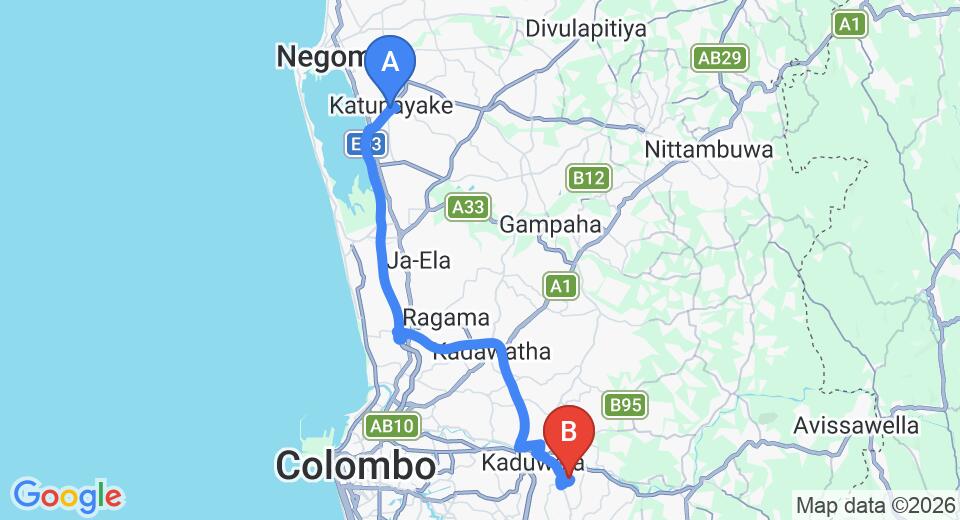
The municipality follows the Kelani River along parts of its southern bank and benefits from two major arterial roads: the Outer Circular Highway and the Avissawella Road (A004). Both routes feed directly into central Colombo, making the morning commute straightforward by private vehicle or public bus. The Sri Jayawardenepura Kotte administrative capital borders Kaduwela to the west, and Bandaranaike International Airport lies around 35–40 km to the north via the outer highway.
For visitors arriving by air, private transfers to Kaduwela typically take 45–60 minutes depending on traffic, making it a reasonable first-night stop before heading inland to Kandy or the Cultural Triangle. Tuk-tuks, ride-hailing apps, and taxis and private drivers all operate within the area, and regular CTB and private bus services connect Kaduwela to Pettah bus station in the city centre.
What are the main neighbourhoods within Kaduwela?
Kaduwela's administrative divisions each have a distinct character:
- Battaramulla — Home to government ministries and embassy offices, this is one of the most organised and commercially developed parts of the municipal area, with supermarkets, banks, and international-school campuses.
- Malabe — A rapidly expanding residential zone popular with professionals, anchored by the Sri Lanka Institute of Information Technology (SLIIT) campus and a growing retail strip.
- Athurugiriya — A quieter, more leafy neighbourhood to the south-east, favoured by families seeking larger plots and lower land prices than those found closer to Colombo.
- Kaduwela town itself — The administrative heart, with the municipal council offices, a weekly pola (open-air market), and smaller commercial streets clustered around the main junction.
What can visitors see and do in Kaduwela?
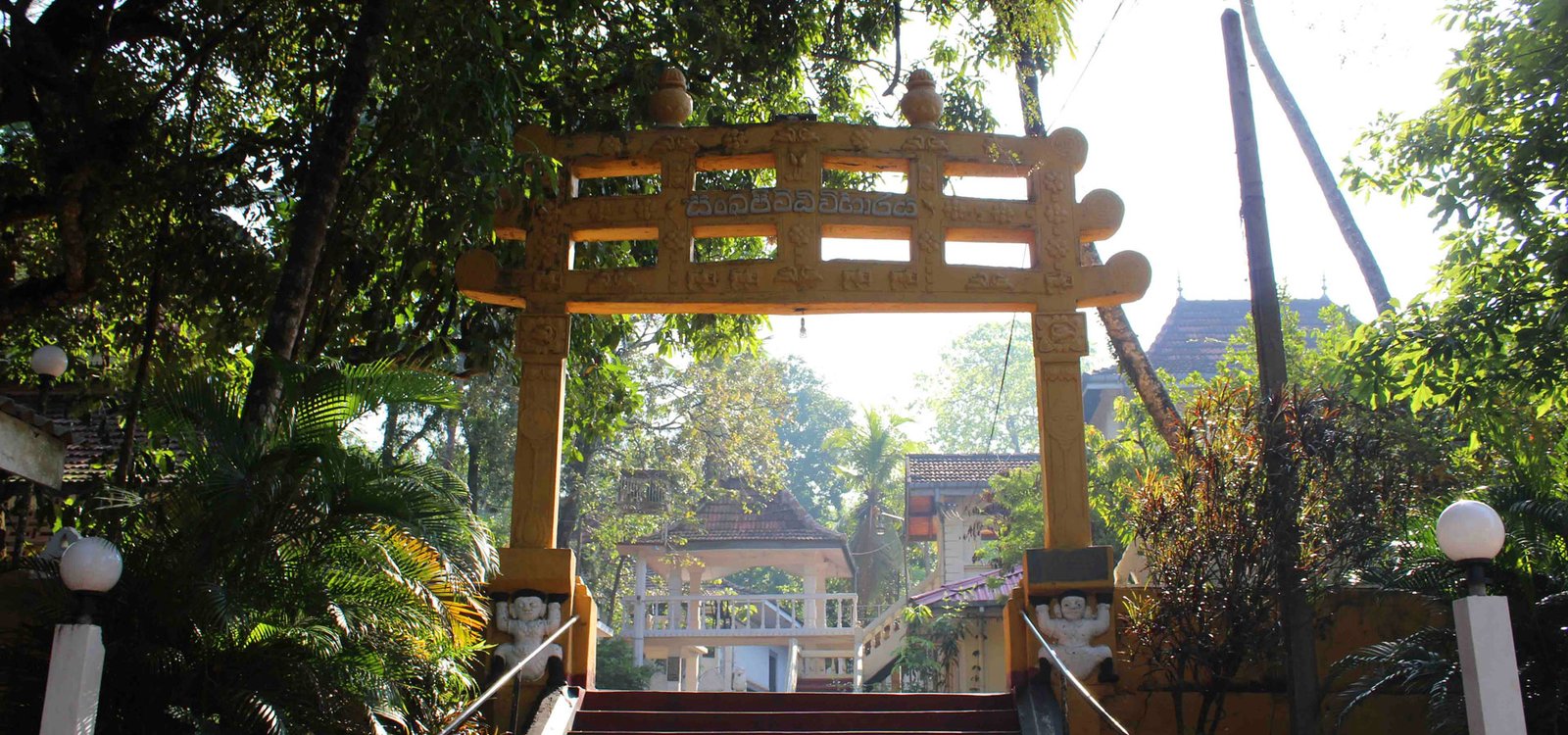
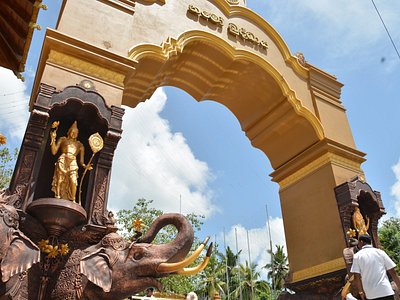
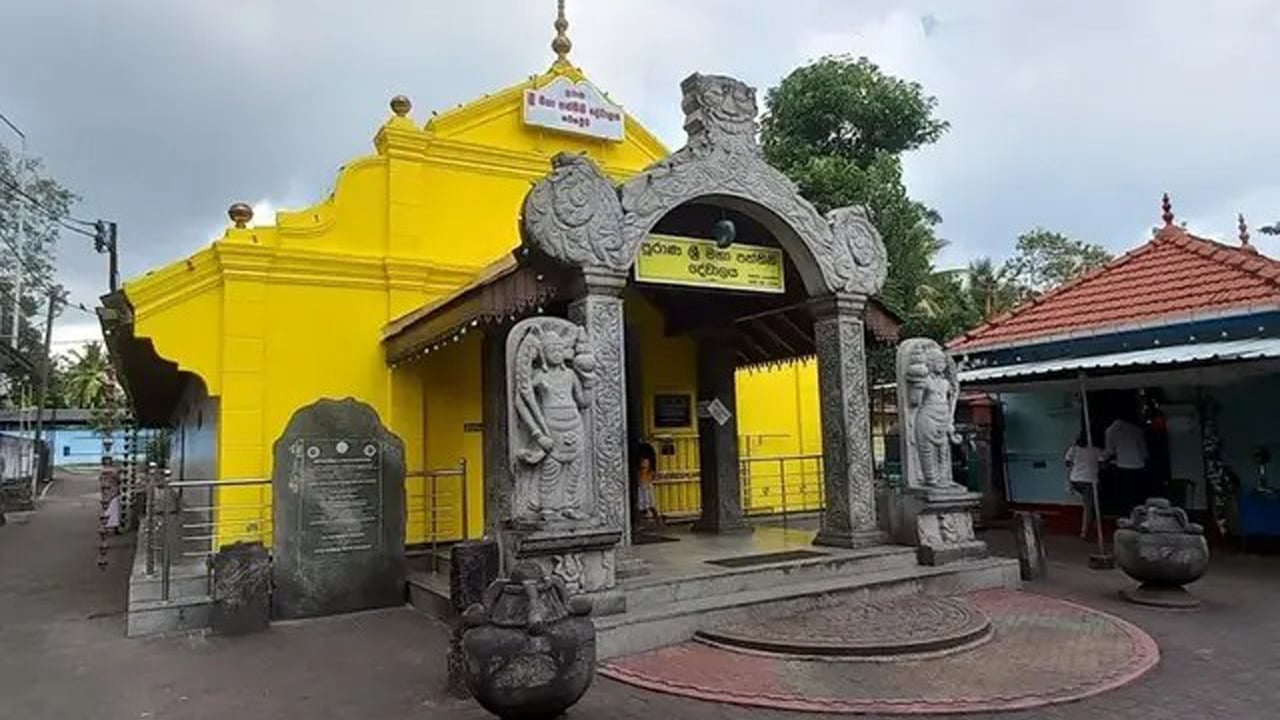
Kaduwela is not a conventional tourist destination, but it holds genuine local interest for visitors curious about everyday Sri Lankan suburban life. The Pattini Devale in the town centre is among the most historically notable shrines in the area, dedicated to the goddess Pattini — a deity widely venerated across Sinhalese communities for healing and protection. The devale draws a steady stream of devotees, particularly on auspicious Poya days, and offers an understated window into living religious practice.
The Kelani River, which skirts parts of the municipal boundary, is used for recreational fishing and occasional boat trips. Small paddy fields and coconut groves persist on the periphery of Malabe and Athurugiriya, a reminder that this landscape was largely agricultural within living memory. Street-food stalls along Avissawella Road serve excellent short-eats — isso wade, pol roti, and wade — particularly in the late afternoon when commuters return from the city.
For a broader introduction to Colombo and its surroundings, a guided Colombo city tour departing from Kaduwela is easy to arrange and typically covers Fort, Pettah, Galle Face Green, and the colonial-era neighbourhoods of Cinnamon Gardens.
What is the industrial and economic significance of Kaduwela?
Beyond its residential identity, Kaduwela hosts a number of light-industrial facilities and warehousing operations that serve the greater Colombo market. Its position on the Outer Circular Highway gives logistics companies efficient access to the port at Colombo and the airport at Katunayake without routing through the congested city centre. This dual role — suburban residential area and peri-urban economic corridor — is the main reason Kaduwela has grown so rapidly since the early 2000s.
The Colombo Lotus Tower, visible on clear days from elevated points in Battaramulla, is a useful landmark for orienting yourself relative to the city core.
When is the best time to visit Kaduwela?
Being situated in the Western Province, Kaduwela falls under the influence of the south-west monsoon (May to September) and the inter-monsoon rains (October–November). The driest and most comfortable months are generally December through April, when humidity is lower and afternoon downpours less frequent. That said, Kaduwela's urban infrastructure means it functions year-round without significant disruption — flooding can briefly affect low-lying roads near the Kelani River during heavy monsoon spells, but this is typically short-lived.
What accommodation options are available in Kaduwela?
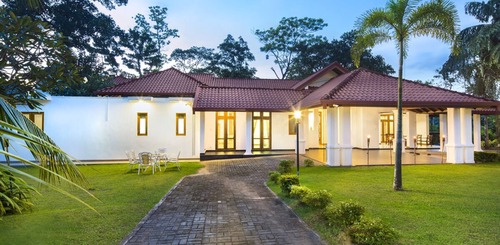
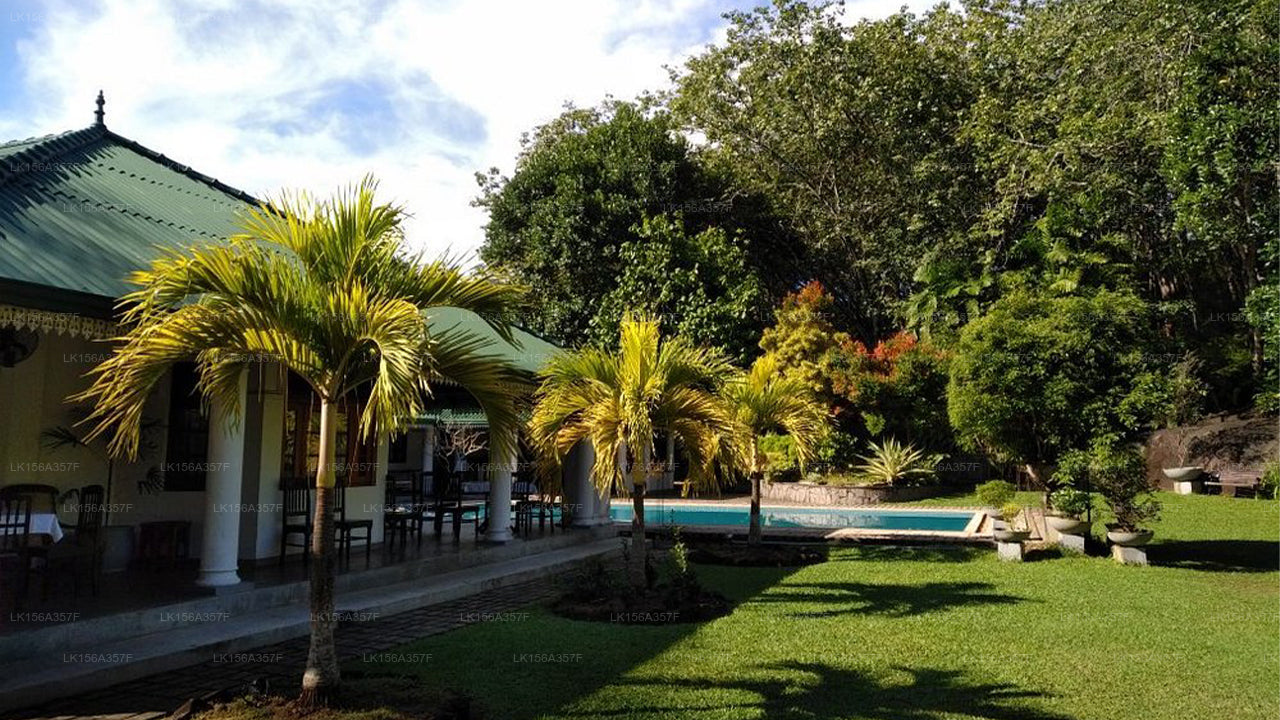
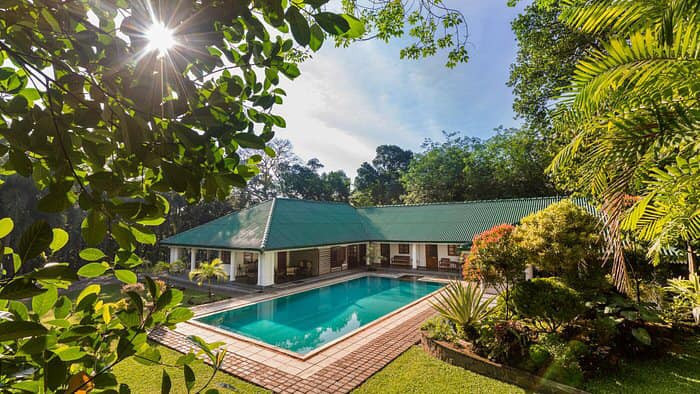
Kaduwela offers a range of smaller guesthouses, boutique lodges, and villa-style properties — a practical alternative to the larger (and pricier) hotels in central Colombo. Properties tend to sit on larger plots with gardens, providing a quieter environment than you would find closer to the city. Transfer services from Bandaranaike International Airport to Kaduwela accommodations are widely available and competitively priced, making arrival logistics simple.