Sri Lanka's cities carry centuries of layered history — Portuguese ramparts, Dutch canals, British hill stations, and living Buddhist traditions — all compressed into places you can walk in an afternoon. A well-planned city tour cuts through the noise and puts you in front of the things that actually matter: the right temple at the right hour, the market lane that locals use, the viewpoint most visitors miss. The four cities covered by Lakpura's dedicated tours each reward close attention in different ways.
Which Sri Lankan cities are worth a dedicated day tour?
Four cities stand out as genuinely rewarding for a structured half-day or full-day exploration.
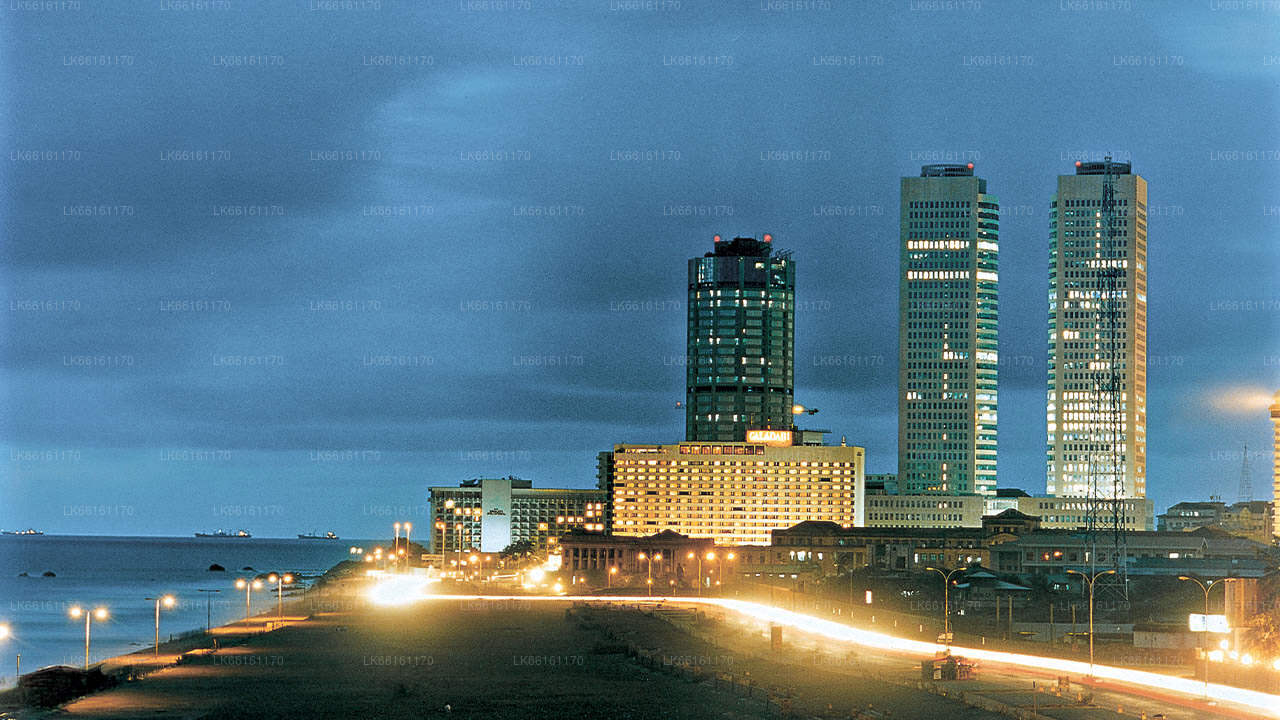
- Colombo — the commercial capital, where glass-and-steel towers sit beside colonial-era department stores, working Hindu kovils, and one of South Asia's most respected street-food scenes. The Colombo Lotus Tower offers a useful orientation point before you descend into the Fort and Pettah districts.
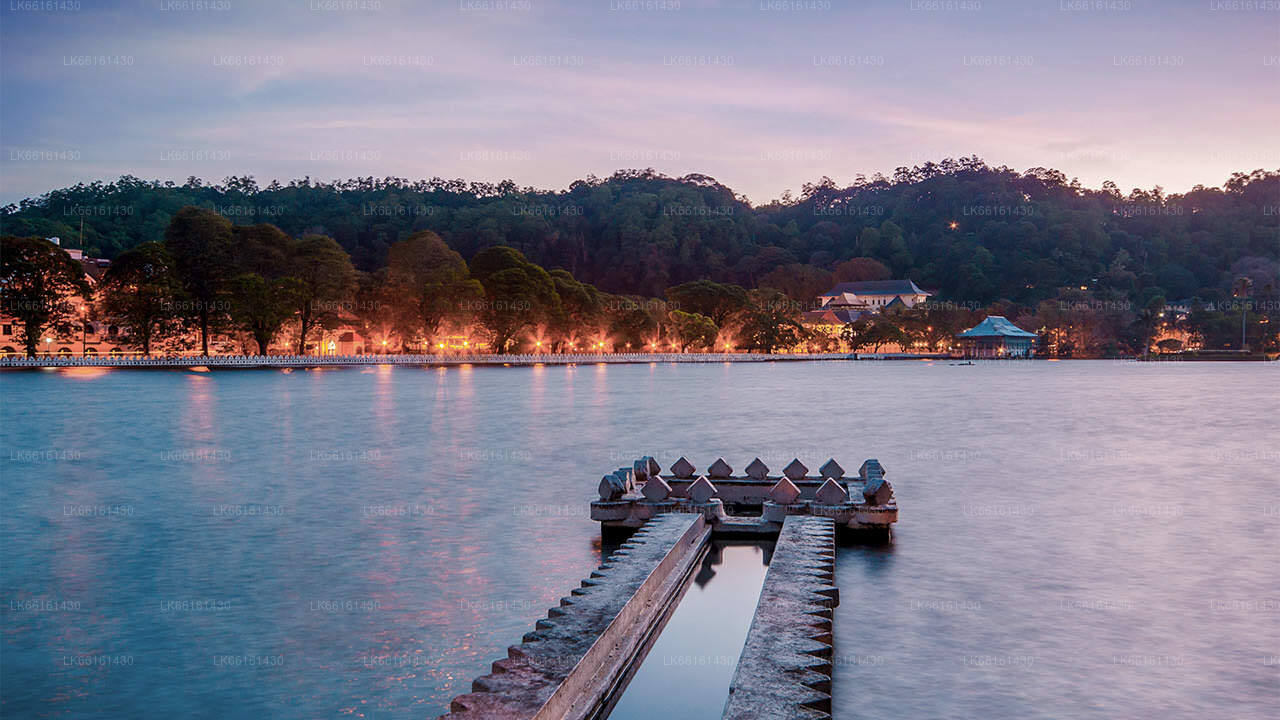
- Kandy — the last royal capital, set around an artificial lake and anchored by the Temple of the Tooth Relic. It rewards slower exploration: the covered market, the arts-and-crafts shops on Peradeniya Road, and the surrounding hills. The Kandy city tour page covers the key highlights in detail.
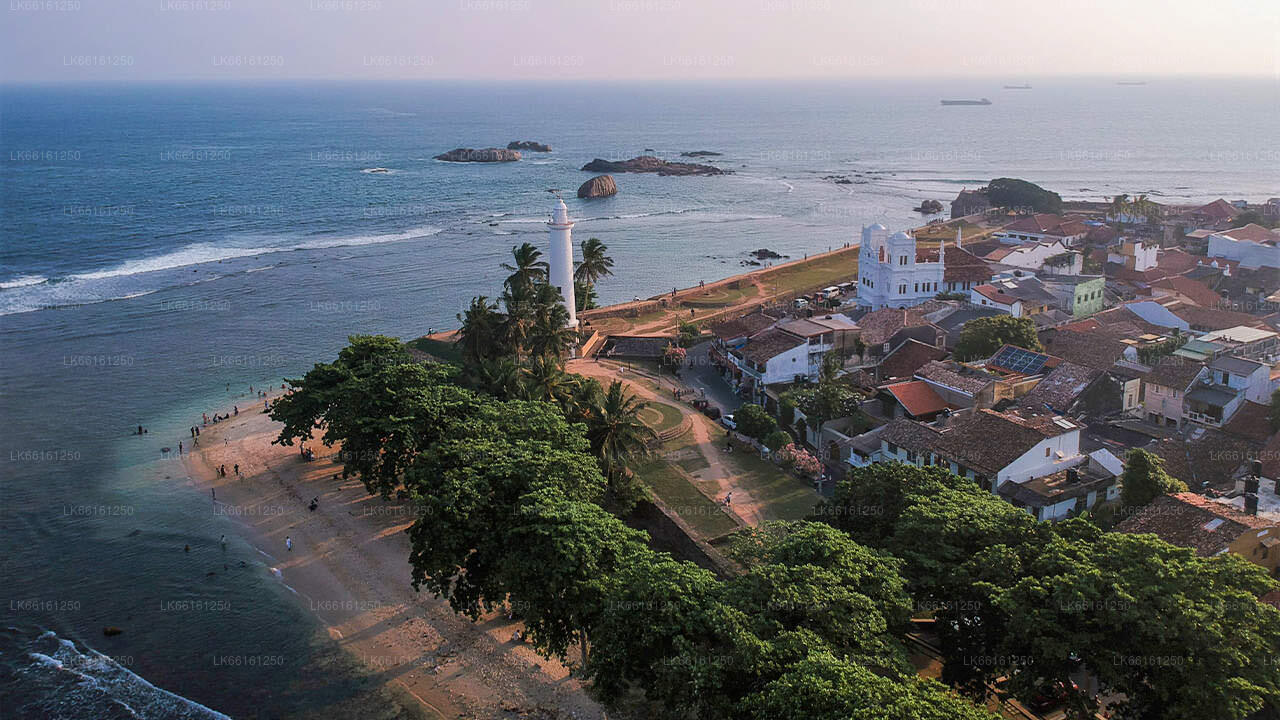
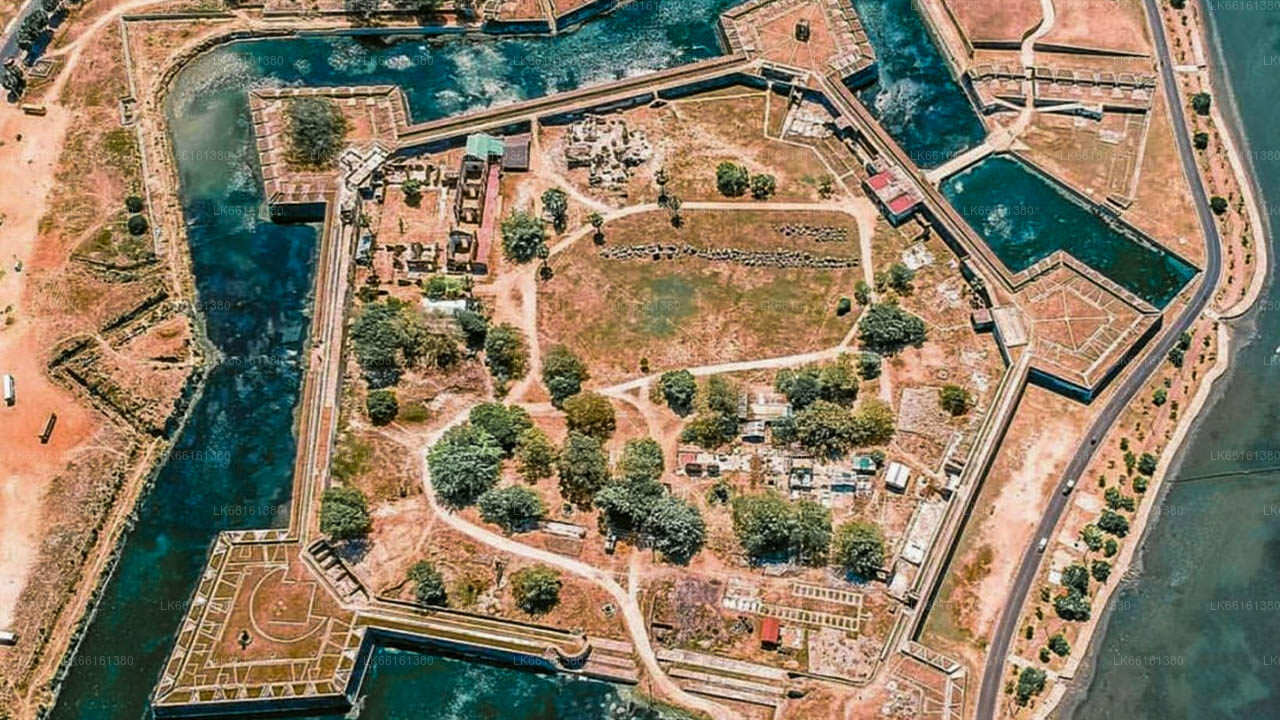
- Galle — a UNESCO World Heritage-listed Dutch fort town on the southern coast. Its ramparts, 17th-century street grid, and concentration of independent boutiques make it unlike anywhere else on the island. Read the dedicated Galle city tour guide for a street-by-street breakdown.
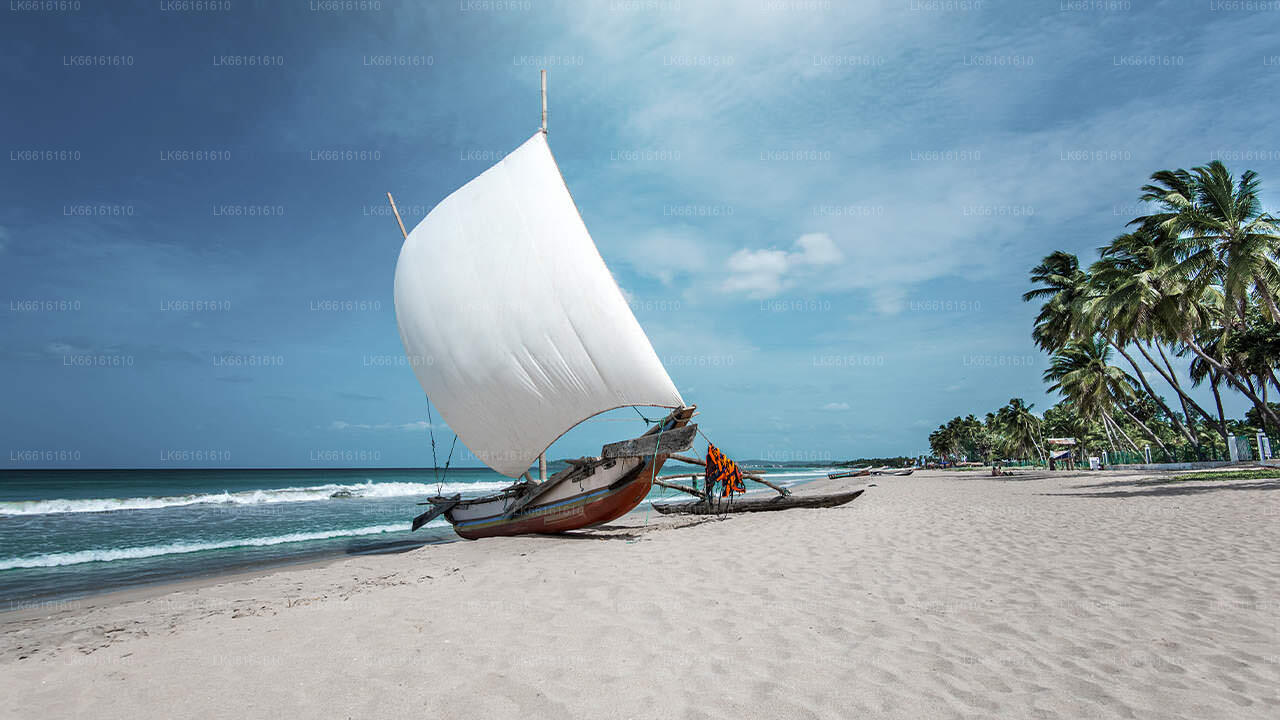
- Negombo — a coastal town north of the airport, useful as an arrival-day introduction to Sri Lanka and worth more than a transit stop. The old Dutch Fort, the fish market, and the lagoon-side churches collectively tell the story of the island's colonial centuries. The full Negombo city tour itinerary explains how to pace the visit.
What can you experience on a Sri Lanka city tour?
Every city tour itinerary Lakpura puts together is built around three categories of experience: heritage sites, everyday street life, and food.
Heritage and religious sites
Sri Lankan cities are dense with active places of worship — Buddhist temples, Hindu kovils, mosques, and colonial-era churches often stand within a few streets of each other. Guides explain the architecture and the rituals in progress, so visits feel informative rather than voyeuristic. Entry to most urban temples is free, though a modest donation is customary and photography protocols vary by site.
Markets and street life
The covered markets in Pettah (Colombo) and Kandy town are two of the most atmospheric in South Asia. Vendors sell fresh produce, dried spices, textiles, and hardware in overlapping stalls that have operated for generations. Ceylon black pepper, cardamom, and cinnamon quills are genuine culinary souvenirs — your guide can help you identify quality product and negotiate a fair price.
Local food and street snacks
City tours naturally pass food stalls and small "short-eat" shops selling wade, rotty, and kokis. Colombo and Kandy both have well-established restaurant lanes worth a lunch stop. For visitors curious about Sri Lankan cuisine at a deeper level, Lakpura can arrange cooking demonstrations as an add-on to city days.
Traditional crafts
Colombo's Barefoot Gallery, Kandy's craft shops near the lake, and Galle Fort's independent studios all stock work by local artisans — lacquerware, hand-loomed textiles, brasswork, and woodcarving. These are the pieces worth carrying home; they are made locally and priced fairly.
How do Lakpura's city tours work?
All tours operate as private, chauffeured experiences — you travel in an air-conditioned vehicle with a knowledgeable English-speaking guide, stopping where you choose and moving at your own pace. There are no fixed group departure times and no waiting for other travellers. Lakpura also offers Spanish-speaking drivers and guides for guests who prefer to tour in Spanish.
City tours can be booked as standalone day experiences or slotted into a longer island itinerary. The most popular combination pairs a Colombo arrival-day tour with an onward journey to the Cultural Triangle or the hill country. A tuk-tuk safari is an alternative format for guests who want to explore narrower lanes and neighbourhoods that a car cannot access.
When is the best time to visit Sri Lanka's cities?
Unlike beaches or national parks, Sri Lanka's cities can be visited year-round — they are not strongly affected by either monsoon. That said, a few practical points apply:
- Colombo, Kandy, and Negombo are more comfortable between November and April, when the southwest stays relatively dry.
- Kandy's Esala Perahera Festival (typically July or August) is one of Asia's great public spectacles — booking well in advance is essential if you want to visit during this period.
- Early mornings — before 9 a.m. — are the best time to visit active temple sites, when devotees attend and light is soft.
- Colombo's Fort and Pettah districts are busiest on weekday mornings. Weekend visits are quieter but some wholesale shops close on Sundays.
How do I get between cities in Sri Lanka?
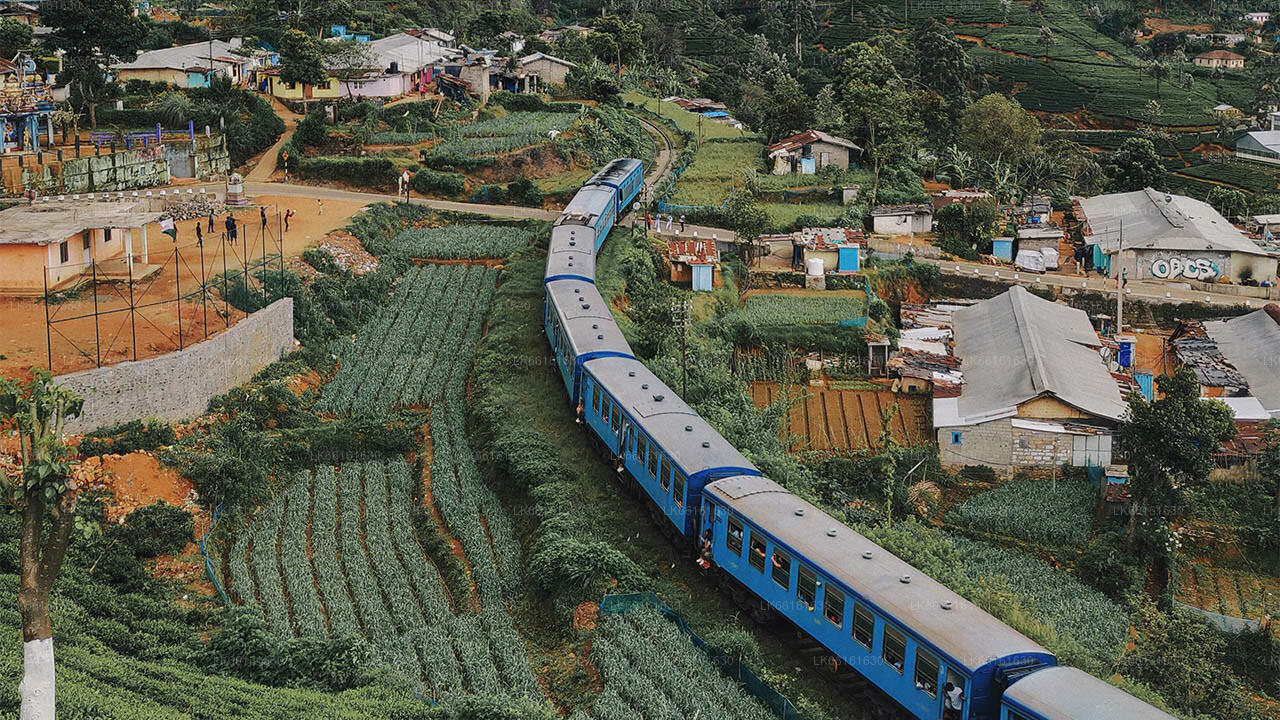
Lakpura provides private road transfers between all major cities. Journey times depend heavily on traffic — Colombo to Kandy is roughly 2.5–3 hours by road, Colombo to Galle around 2 hours on the expressway, and Colombo to Negombo around 45 minutes to 1 hour. The Taxis and Private Drivers page covers vehicle classes and booking options in detail. Train travel is scenic and worth considering for the Colombo–Galle coastal route or the Colombo–Kandy hill climb, though private transfers allow for more flexible stop-offs along the way.
What should I know before taking a city tour in Sri Lanka?
A few practical points make city days run more smoothly:
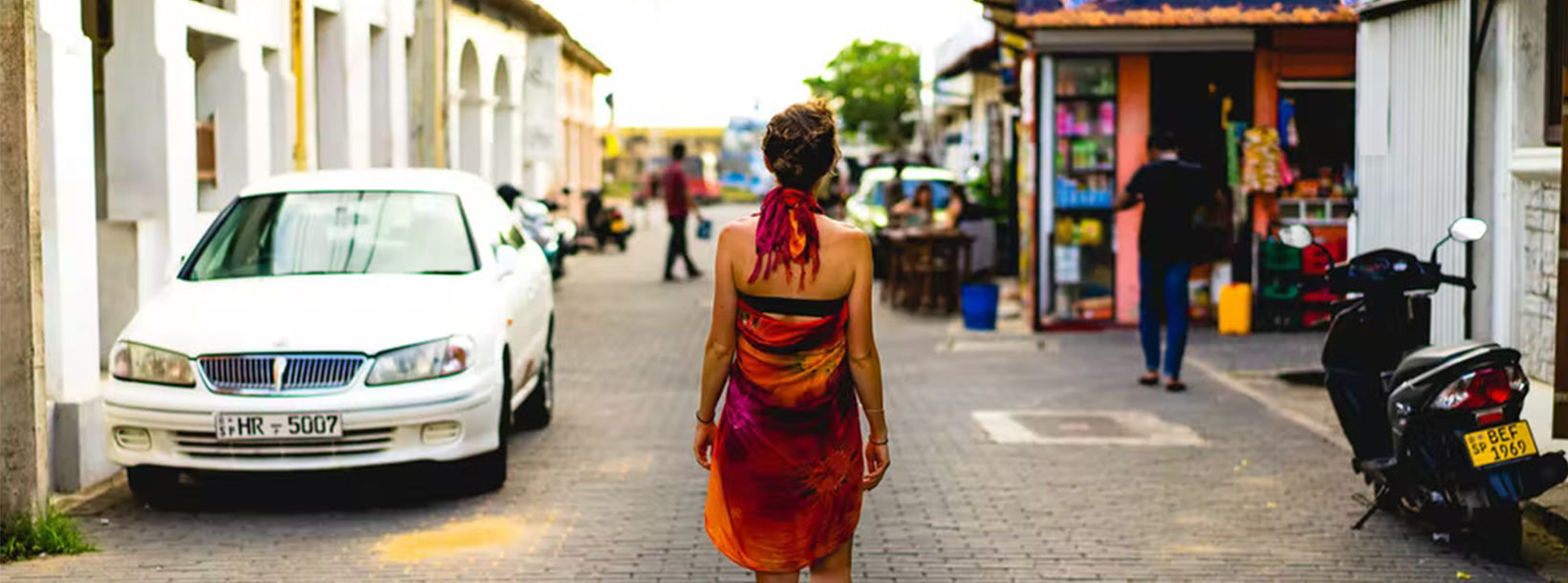
- Dress modestly for temple visits. Shoulders and knees should be covered. Lightweight scarves or sarongs are easy to carry and widely sold near major sites.
- Carry small-denomination rupee notes. Many market vendors and street stalls do not accept cards.
- Agree on a rough itinerary in advance, but build in flexibility. Some of the best moments in Sri Lankan cities happen off-script — a neighbourhood procession, an unexpected craft workshop, a rooftop with a good view.
- Colombo traffic is unpredictable. Allow more time than you think you need, especially during morning and evening rush hours.
- Photography: Always ask before photographing people, particularly in markets and at religious sites. Most people are happy to be photographed, but asking first is both polite and often leads to better portraits.