அம்புலுவாவா டவர்
நீங்கள் Ambuluwawa Tower பற்றி கேட்டுள்ளீர்களா? நீங்கள் இலங்கையில் ஒரு நாள் சுற்றுலா அல்லது சுற்றுலா பயணத்திற்கு வந்திருந்தால், Ambuluwawa Tower இலங்கையில் கண்ட zobக் கொள்ள வேண்டிய இடங்களில் ஒன்றாகும். நீங்கள் Ambuluwawa Tower-க்கு Kandy அல்லது Gampola-லிருந்து செல்லலாம். இந்த இடம் பற்றிய சிறிய தகவல்: இது கடல்மட்டத்திலிருந்து 3567 மீட்டர் உயரத்தில் அமைந்துள்ளது மற்றும் 80 இனங்களுக்கு சொந்தமான 200 செடிகள் உள்ளன. மேல் நோக்கி ஏறுவது கொஞ்சம் கடினமாக இருக்கும், ஆனால் கடினமான ஏறுதல்கள் எப்போதும் சிறந்த காட்சிகளை தரும் என்பதையே நீங்கள் அறிவீர்கள். இந்த கோபுரத்திலிருந்து பார்வையிடக்கூடிய சிறந்த காட்சிகளில் சில:
- வடக்கு – Knuckles மலைக்கட்டைகள்
- மேற்கு – Bathalegala அல்லது Bible Rock
- கிழக்கு – Piduruthalagala மலை
நீங்கள் தெளிவான வானிலையுடன், புகையில்லாமல் ஒரு நாளில் பார்வையிடினால், Hanthana Mountain Range, Hunnasgiriya மற்றும் Nuwara Eliya மாவட்டத்தில் உள்ள மலைகளின் அற்புதமான காட்சியை காண முடியும். Hanthana Mountain Range தனது பாதையில் எதையும் எதிர்கொள்ளும் தனிமைப் போர்வாளியாக அறியப்படுகிறது மற்றும் பயணிகள் பலருக்கு வீடு, அதே சமயம் தேடும் அனைவருக்கும் சாகசத்தை மகிழ்ச்சியுடன் வழங்குகிறது.
மேலும், Ambuluwawa Tower இலங்கையின் முதல் பன்மத மையமாகும். நீங்கள் ஒரு கோவில், கோவில் (Kovil), பள்ளிவாசல் மற்றும் திருச்சபையை பார்க்கலாம். Ambuluwawa கோவில் ஒரு பௌத்த ‘ஸ்துபா’-விற்கு ஒத்த வடிவம் கொண்டது மற்றும் 48 மீட்டர் உயரம் கொண்டது. இந்த பன்மத மையம் ஆரம்பத்திலிருந்தே இலங்கையர்களிடையே சிறந்த சமநிலை மற்றும் ஒற்றுமையை காட்டுகிறது. நீங்கள் பௌத்தர்கள் மட்டுமின்றி அனைவரும் Ambuluwawa Tower-க்கு வந்து அற்புதமான அனுபவத்தை அனுபவித்து, தங்களது மதத்தை போற்ற முடியும். இந்த இடம் 2006-ஆம் ஆண்டு உயிரியல் வகைமையாக்க மையமாக மாறியது என்பது ஒரு சுவாரஸ்யமான தகவல்.
Ambuluwawa Tower
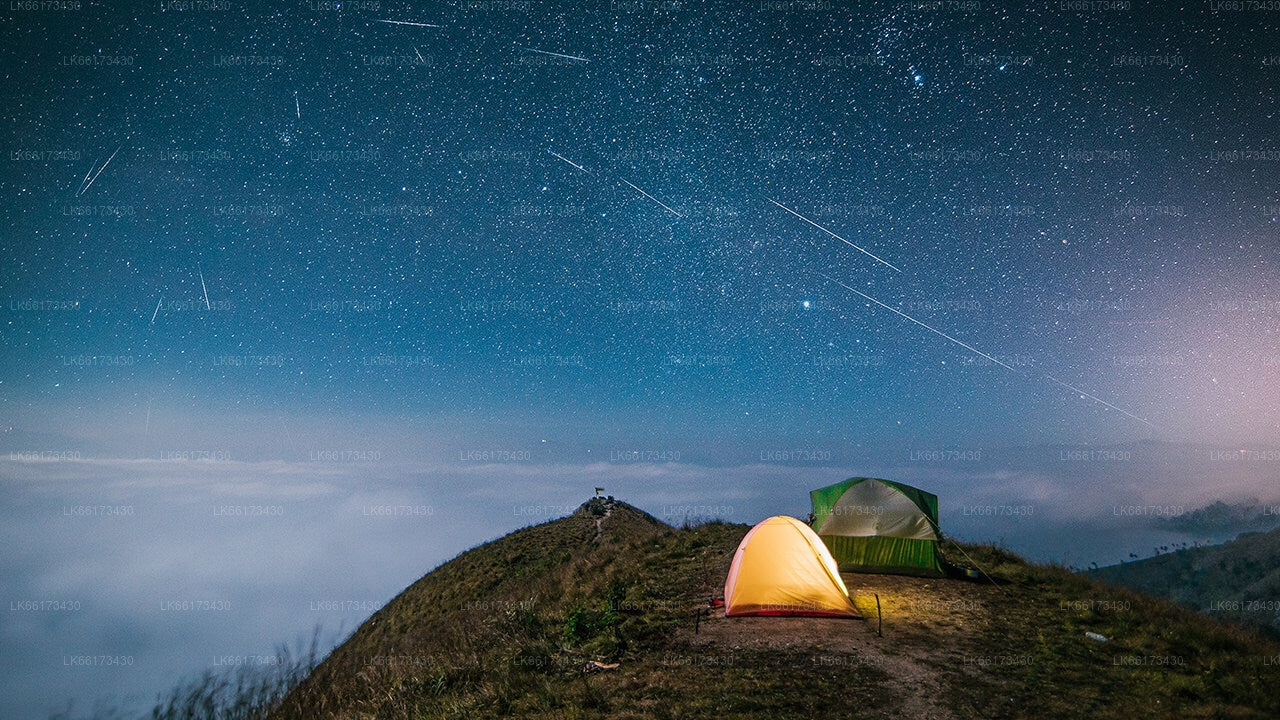
Ambuluwawa-வின் மேல் அடைவதன் மூலம், சில சமயங்களில் தொடரும் புகை மூடியிருக்கும் அற்புதமான காட்சிகளை அனுபவிக்க முடியும். ஆனால் புகை அகற்றப்படும்போது, உயரம் பயப்படுவோர் குறிப்பாக பயப்படக்கூடிய காட்சி பயணிகளை பயமுறுத்தலாம். Ambuluwawa-வில் சறுக்குவது எவ்வாறும் ஆபத்தானது அல்ல, ஆனால் உயரம் பயப்படுவோருக்கு இது சரியான சாகசமாக இருக்காது. சிறப்பாக கவனமாக இருக்காமல் புகைப்படம் எடுக்க மேலே இருக்கும் பாலத்திற்கு உட்கார வேண்டாம், இது மிகவும் அபாயகரமானது மற்றும் ஒருவருக்கு எளிதில் சரிவை ஏற்படுத்தலாம். Ambuluwawa ஒரு சுலபமான சறுக்கவேண்டிய இடமாகும், இது சுற்றியுள்ள மலைகள், காடுகள், நதிகள் மற்றும் ஊர்களின் 360-டிகிரி காட்சிகளை தருகிறது.
இது செம்மையான பன்முகத்தன்மை கொண்ட இடம், நிலை நீடித்த காடுகள், மலர்கள், மூட்டைகள் மற்றும் 80 செடியின குடும்பங்களின் 200 விதமான செடிகள், பல மருந்து செடிகள் உள்ளிட்டவை உள்ளன. Ambuluwawa பல மலைகளால் சூழப்பட்டுள்ளது, கிழக்கில் Piduruthalagala, மேற்கில் Bible Rock (Bathalegala), தெற்கில் Sri Pada (Adam’s Peak) மற்றும் வடக்கில் Knuckles மலைக்கட்டைகள். இந்த மலைகளுக்கு மேலாக பல மற்ற மலைகளும் தெளிவாகக் காணப்படுகின்றன மற்றும் இதன் அழகை கூட்டுகின்றன. இவை Hanthana Mountain Range, Hunnasigiri Mountain மற்றும் Algalla மற்றும் Kadugannawa தொடர்புடைய மலைக்கட்டைகள். இதன் காரணமாக இந்த பகுதியில் குளிர்ந்த மலை காற்று உள்ளது.
Ambuluwawa Tower உயரம்
Ambuluwawa Gampola நகரின் நிலை முதல் சுமார் 1,965 அடி உயரத்தில் அமைந்துள்ளது. Ambuluwawa மலை கடல்மட்டத்திலிருந்து சுமார் 3560 மீட்டர் உயரத்தில் உள்ளது. கோபுரம் சுமார் 48 மீட்டர் உயரம் கொண்டது மற்றும் வயதானவர்கள் மற்றும் பிள்ளைகள் மேல் ஏற பரிந்துரைக்கப்படவில்லை. மலைபாதை மலைப்பகுதி காட்சிகள், கிளிப்புகள் மற்றும் தனித்துவமான செடிகள் ஆகியவற்றால் சூழப்பட்டுள்ள சுழற்சி வழியில் அமைந்துள்ளது, இது வேறு எந்த இடத்திலும் காணமுடியாது. பார்வை இடங்கள்: மூன்று குளங்கள், ஒரு புனித போதிதர்ம மரம், வாட்டர் பார்க், கல் பூங்கா மற்றும் மூலிகைக் களம்.
Ambuluwawa உயிரியல் மையம் இலங்கையின் முன்னாள் பிரதமர், Dissanayake Mudiyanselage Jayaratne, பொதுவாக “Di Mu” என அழைக்கப்படுபவர், Gampola அருகே பிறந்தவர், அவரால் திறக்கப்பட்டது. கொழும்பு இருந்து வரும் பயணிகளுக்காக, Ambuluwawa சுமார் 85