Beira-sjön


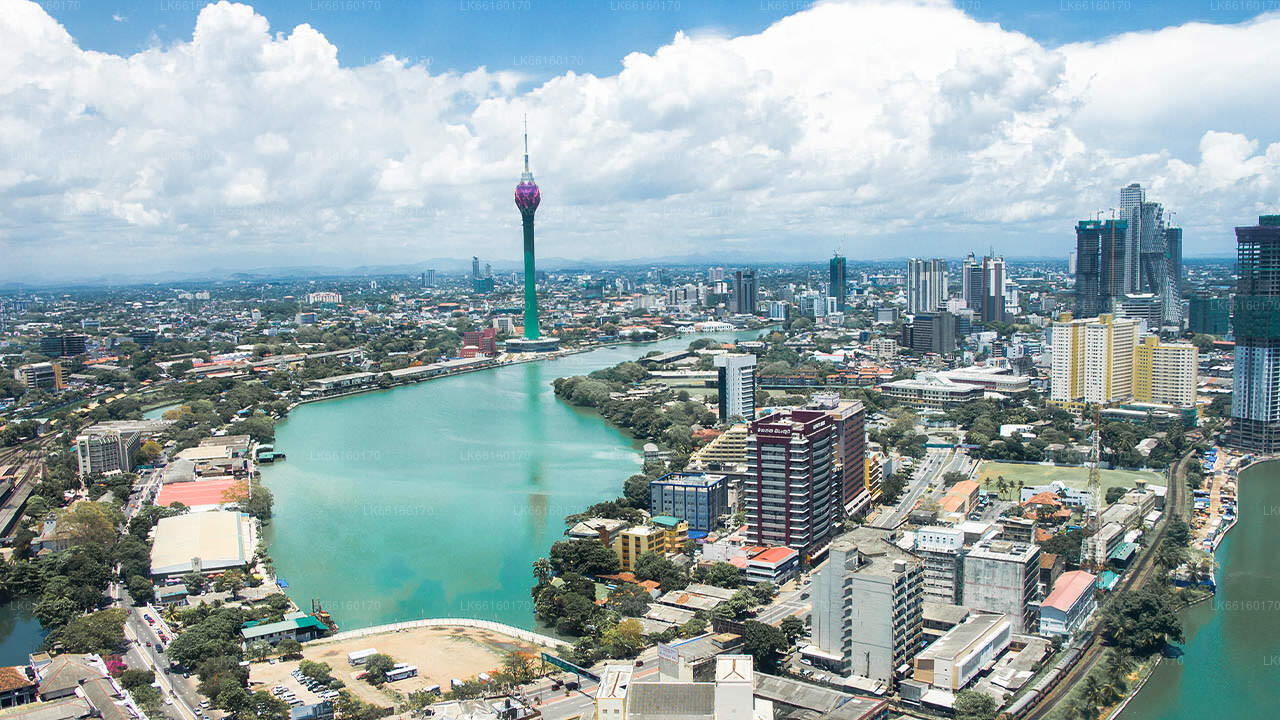
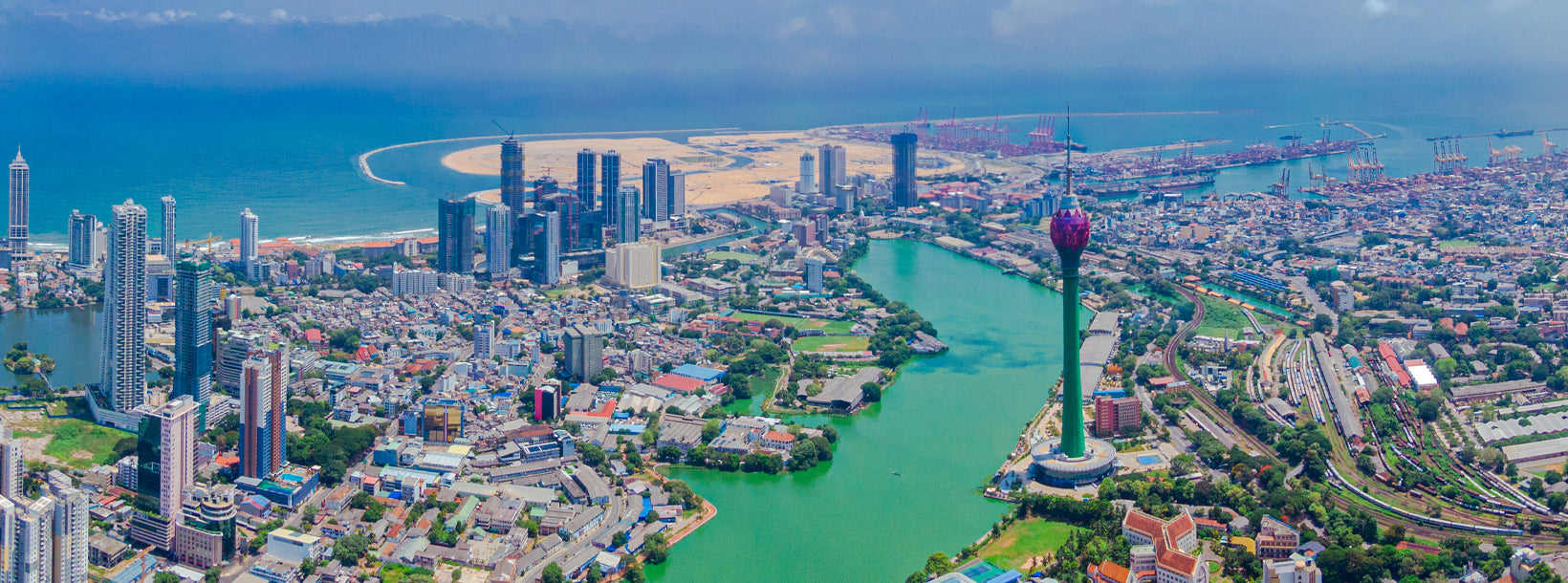
Beira-sjöen är en av de mest kända landmärkena i Colombo. Den ligger mitt i huvudstaden och är en av de få platserna för avkoppling och skönhet inom stadens gränser. Området runt den har många attraktioner, för att inte tala om sjöns egen historia.
Beira-sjöen började som en mycket större sjö som täckte ett område på 410 acres för mer än ett sekel sedan. Men med den snabba kommersialiseringen av området har den minskat till cirka 160 acres.
Historia
Beira skapades av de portugisiska erövrarna på 1500-talet för att fungera som en vallgrav som skyddade deras bas i Colombo från fientliga lokala invånare. De lade till många dolda faror i sjön, som stora krokodiler och andra.
Beira visade sig vara ett stort hinder för lokala härskare som Mayadunne från Sitawaka när de försökte befria regionen från utländskt styre. Det var Mayadunnas son, Rajasingha I, som lyckades dränera sjön 1587 och på så sätt kom nära att återta regionen från portugiserna. Han skar av kanalerna som matade sjön, men kunde inte hantera de förstärkningar som portugiserna hade tagit med sig från Indien.
Efter att holländarna hade tagit över sjön expanderades den och flera konstgjorda öar skapades på den. Vissa av dem, som Slave Island, var tillräckligt stora för att ha en by eller kokosplantager. Människor började bosätta sig på öarna och trafiken på vattnet ökade. Den användes dock mest för politiska fångar, som i fallet med Slave Island, eller för jordbruk, främst på grund av krokodilerna som fortfarande invaderade sjön.
Efter att britterna tog kontrollen avlägsnade de krokodilerna och utvecklade området runt sjön. De nu gräsbevuxna stränderna blev populära för fester och även en stor bal hölls för att fira Storbritanniens seger i slaget vid Waterloo. Beira-sjöen blev känd för en mängd rekreationsaktiviteter som rodd och segling. Slave Island rensades från sina fängelsebyggnader och den första botaniska trädgården i Ceylon, Kew Gardens, öppnades där 1810. Växterna gavs av Royal Botanic Gardens i London. I slutet av 1800-talet började landvinningsarbeten för utveckling och sjöns område minskade samtidigt som föroreningarna ökade.
Beiras tillväxt
För ungefär ett decennium sedan förvärrades situationen så att området mest var omgivet av slumområden; medan vattnet i sjön mest var avloppsvatten från dessa hyddor och hus som inte hade medel för att hantera korrekt avfallshantering. Det luktade illa och endast de fattigaste människorna bodde i området. Strandpromenaden var kantad av stora lagerbyggnader, som påminde om tehandeln i Colombo; där te transporterades på pråmar via hamnkanalen. Dessa lagerbyggnader stod där som en spökstad; mörknade av smuts i över ett sekel, och de trasiga fönstren gav en hemsk atmosfär. Den enda anledningen till att folk gick till Beira-sjöområdet var för att be i Gangarama-templet eller för att besöka något av de viktiga platserna som Colombo Rowing Club, SLECC, St. Joseph’s College eller Lake House.