Cidade de Galle
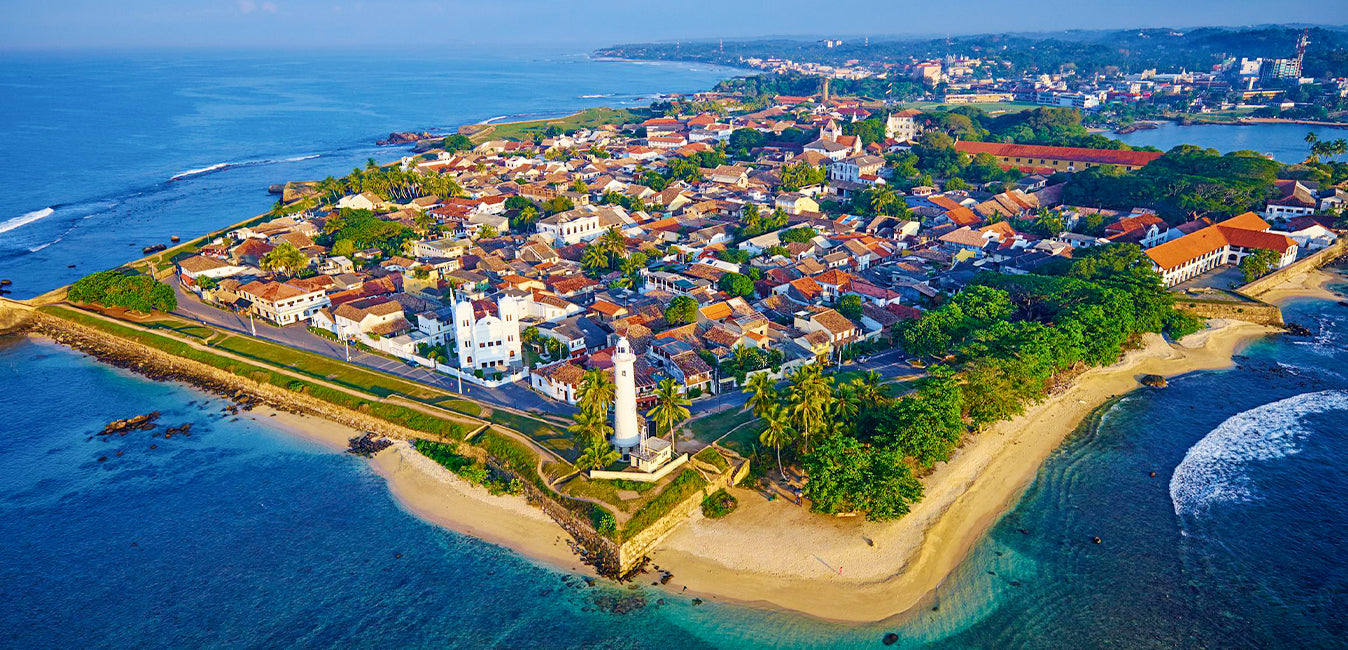
Galle, uma encantadora cidade costeira do Sri Lanka, possui uma rica história e uma cultura vibrante. Seu icônico Forte Holandês, Patrimônio Mundial da UNESCO, é um testemunho da influência colonial. Explore praias intocadas, mergulhe em festivais culturais e saboreie a culinária local em meio ao charme antigo de Galle.
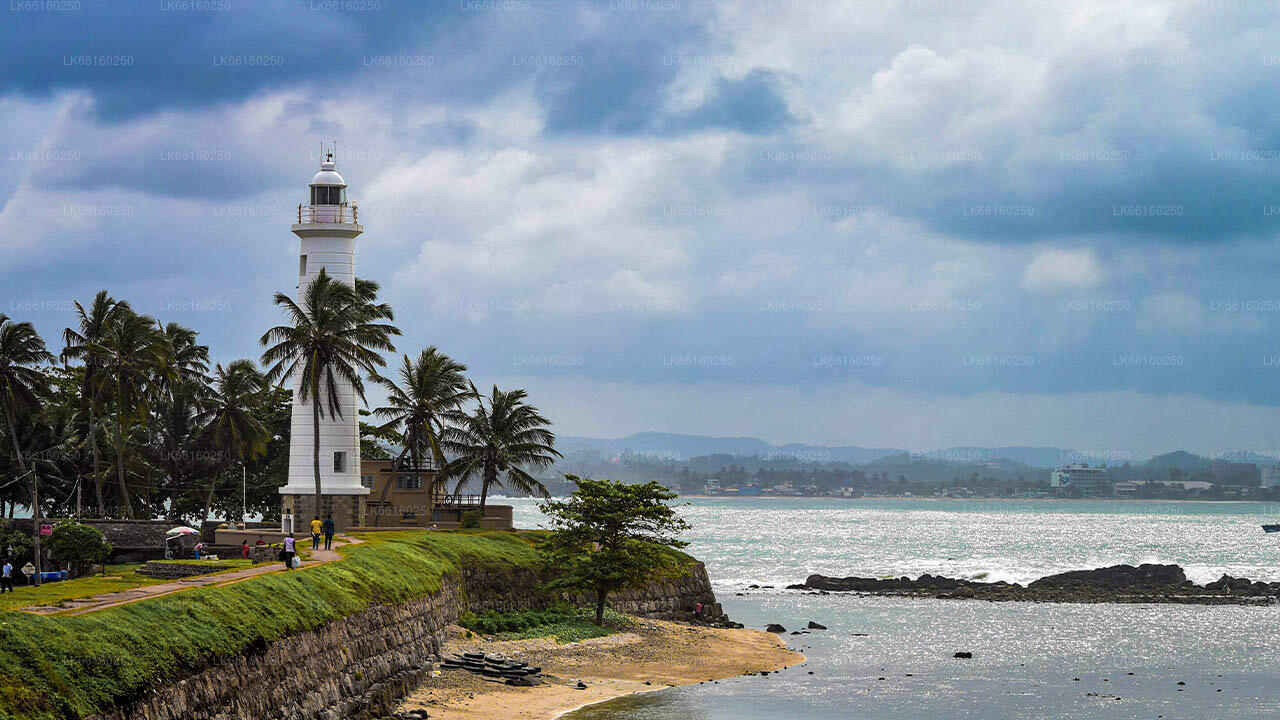
Galle Lighthouse
History
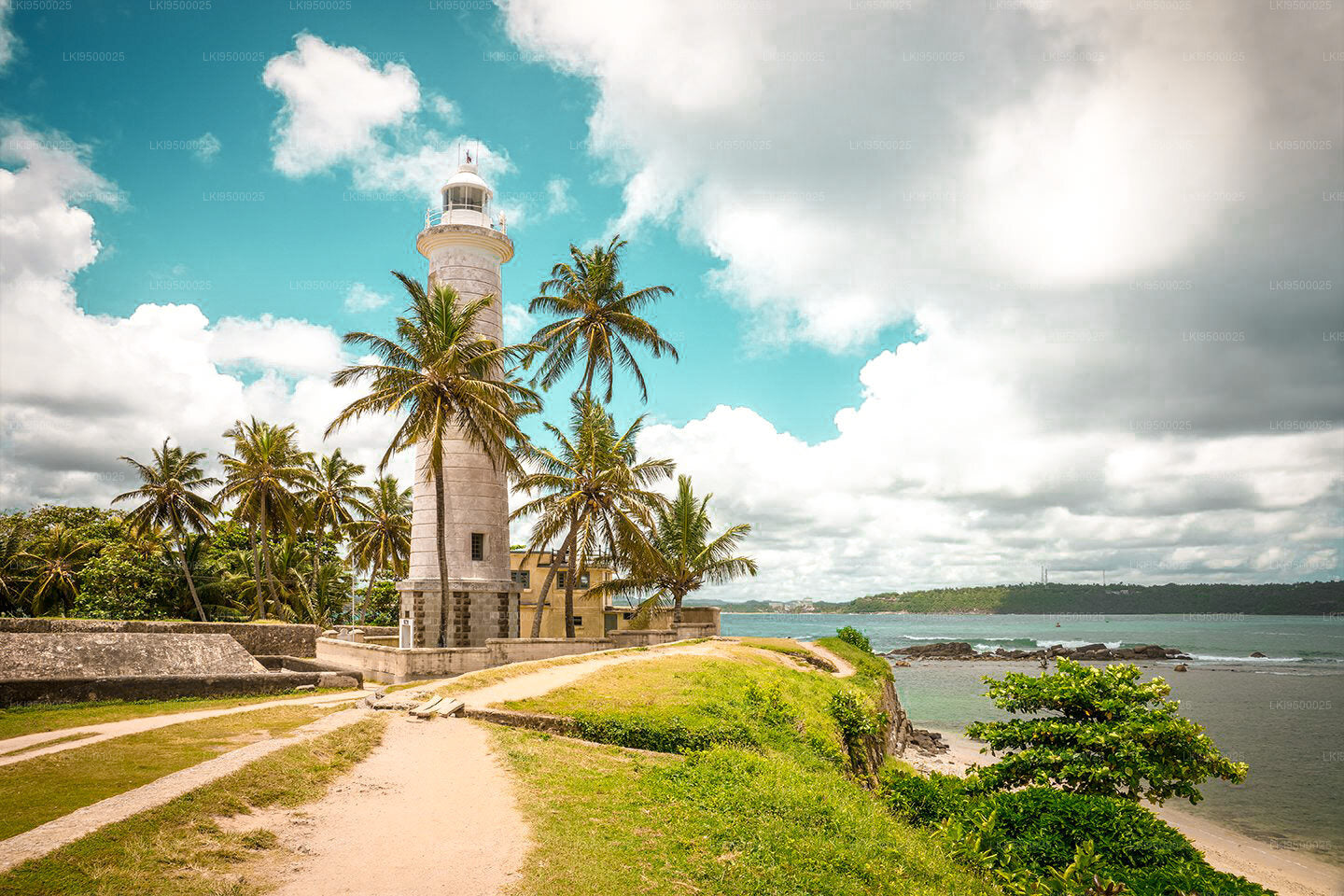
The Galle Lighthouse (also known as the Pointe de Galle Light) is Sri Lanka’s oldest light station, dating back to the mid-19th century and situated within the walls of the Galle Fort, a UNESCO World Heritage Site. The original Galle Lighthouse was established by the British in 1848 and was the first onshore lighthouse in the area, standing at 24.5 metres tall with a full view of the Galle Harbour. In 1934, a devastating fire destroyed the old lighthouse. This led to the construction of the current lighthouse in 1939, which stands taller than the original at 26.5 metres high and around 100 metres away from the site of its predecessor.
Changes Over the Years
The Galle Lighthouse is located about 4 kilometres away from Galle’s city centre, and has been built on the ramparts, approximately 6 metres above the level of the road, on a high point known as Point Utrecht Bastion. The original lighthouse contained a glass prism that sat within a mercury bath, which kept the lamp level and allowed it to rotate without undue friction. Lighthouse keepers were in charge of removing dirt and debris from the top of the bath, as well as periodically cleaning the liquid mercury, which exposed them daily to highly toxic levels of the metal. Today, however, the light within the Galle Lighthouse is fully automated, and the lighthouse keeper in charge need only climb up to ensure its upkeep.
Sobre o Distrito de Galle
Galle é uma cidade situada na ponta sudoeste do Sri Lanka, a 119 km de Colombo. Galle é o melhor exemplo de uma cidade fortificada construída por europeus no sul e sudeste da Ásia, mostrando a interação entre os estilos arquitetônicos europeus e as tradições do sul da Ásia. O Forte de Galle é um Patrimônio Mundial da UNESCO e a maior fortaleza remanescente na Ásia construída por ocupantes europeus. Galle é uma cidade de porte considerável para os padrões do Sri Lanka, com uma população de 91.000 habitantes, a maioria de etnia cingalesa. Há também uma grande minoria moura do Sri Lanka, particularmente na área do forte, descendente de mercadores árabes que se estabeleceram no antigo porto de Galle. Sobre a Província do Sul A Província do Sul do Sri Lanka é uma pequena área geográfica composta pelos distritos de Galle, Matara e Hambantota. A agricultura de subsistência e a pesca são as principais fontes de renda para a grande maioria da população desta região. Entre os pontos turísticos importantes da Província do Sul, destacam-se os santuários de vida selvagem dos Parques Nacionais de Yala e Udawalawe, a cidade sagrada de Kataragama e as antigas cidades de Tissamaharama, Kirinda e Galle. (Embora Galle seja uma cidade antiga, quase nada sobreviveu do período anterior à invasão portuguesa.) Durante o período português, dois poetas cingaleses famosos, Andare, de Dickwella, e Gajaman Nona, de Denipitiya, no distrito de Matara, compuseram poemas sobre o homem comum.