In the villages on the outskirts of Tissamaharama, a quiet ritual begins before dawn. Buffalo milk arrives in heavy metal jugs from nearby farms, cauldrons are set over wood-fired clay stoves, and the slow, careful process of making mee kiri — Sri Lanka's traditional buffalo curd — gets underway. The result is a thick, ivory-white curd with a richness that cow's milk simply cannot replicate, and it has been a staple of southern Sri Lankan life for generations.
What is mee kiri and how does it differ from regular curd?
Mee kiri (මී කිරි) is set curd made exclusively from buffalo milk. Buffalo milk carries a significantly higher fat content than cow's milk, which gives mee kiri its characteristic density and smooth, almost velvety texture. It also has a naturally longer shelf life when properly set in the traditional way — an important practical advantage before refrigeration was widespread in rural Sri Lanka.
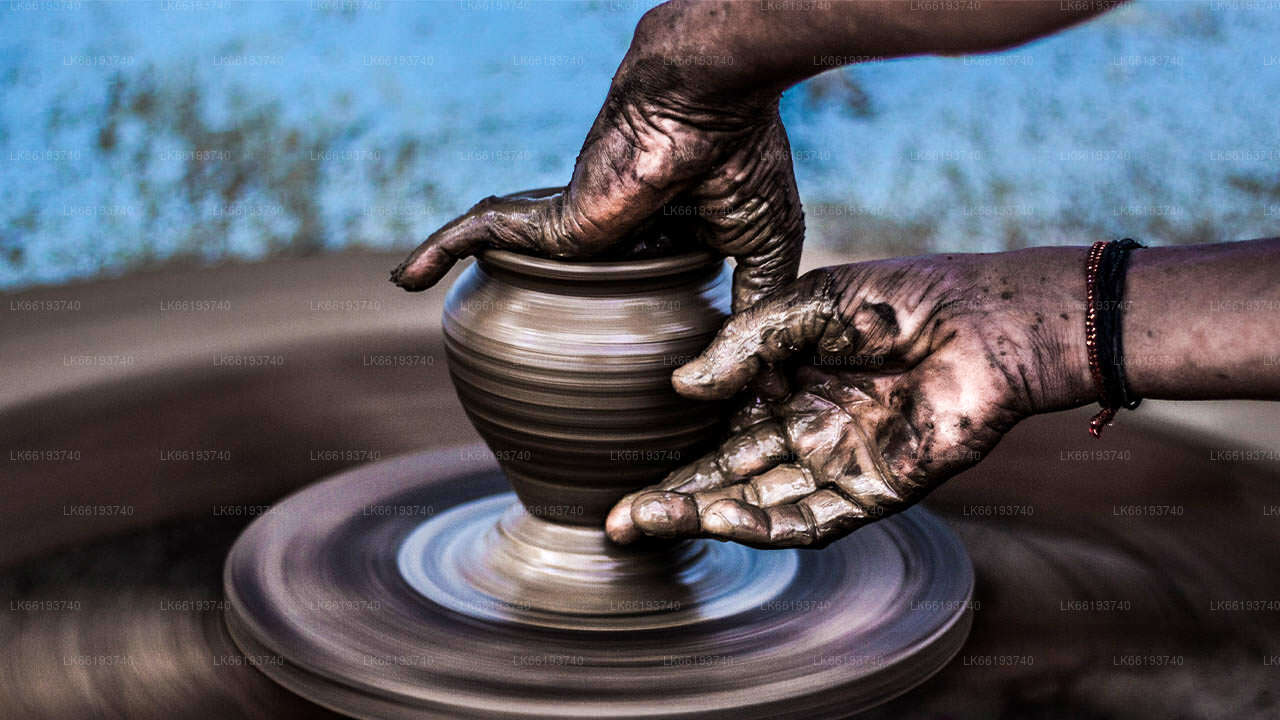
The curd is typically set in unglazed clay pots, which absorb a small amount of moisture and help maintain a consistent temperature during the setting process. This is one detail that distinguishes artisan mee kiri from commercially produced versions: the faint mineral quality that the clay imparts is part of the flavour. The finished curd is firm enough to cut into clean chunks yet dissolves gently on the tongue.
Where does mee kiri come from in Sri Lanka?
Mee kiri is considered a speciality of southern Sri Lanka, with the areas around Tissamaharama and the broader Hambantota district historically at its centre. The southern dry zone has long supported buffalo herding alongside paddy cultivation, and the paddy field landscape there still defines the agricultural rhythm of these communities.
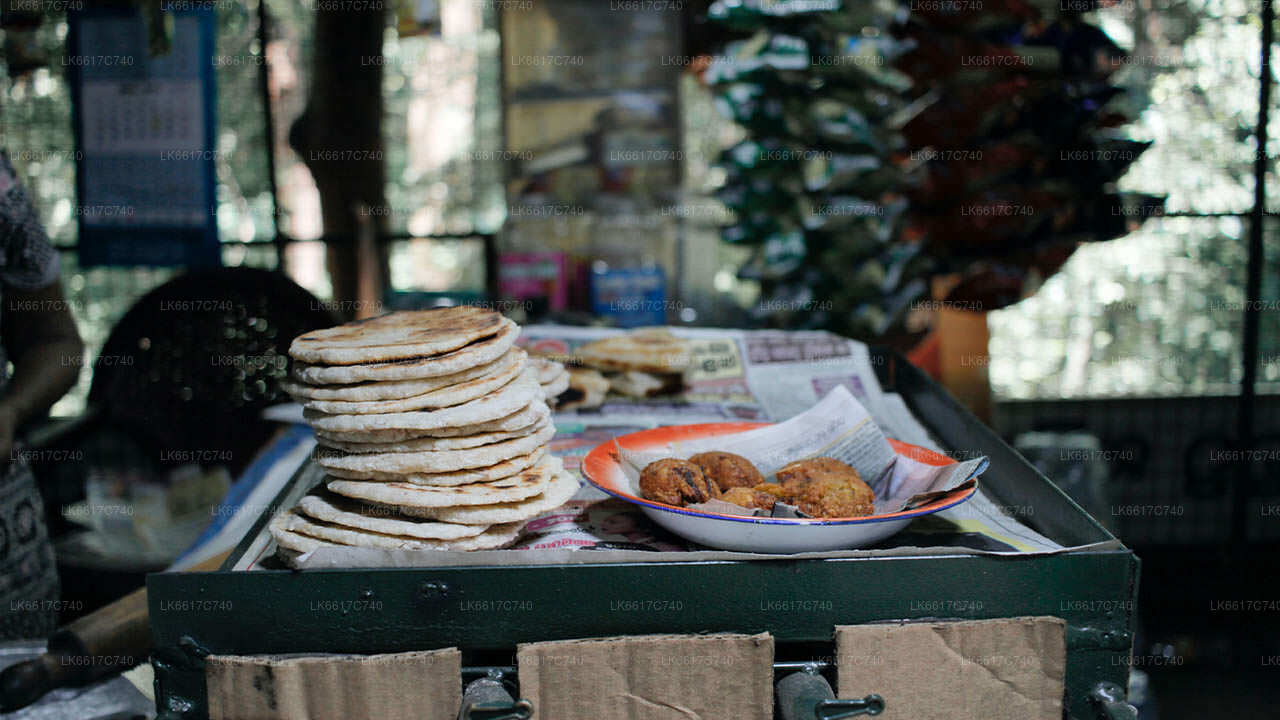
Roadside stalls in the region are recognisable by stacks of sealed clay pots and whitewashed tubs bearing the simple word kiri. Many of the best makers work from home kitchens, selling directly to passing vehicles or to distributors who carry the curd to markets in Colombo and other cities. Finding a specific maker's home often requires asking neighbours — addresses are rarely posted — and that scavenger-hunt quality is itself part of the experience for curious visitors.
How is mee kiri made?
The process is precise and labour-intensive, which is why production in most households is a family affair. A typical batch runs as follows:
- Heating: Fresh buffalo milk is poured into wide, deep cauldrons and placed over a wood fire. The maker stirs constantly with a long wooden paddle to prevent the milk from scorching on the bottom.
- Cooling: Once the milk has reached the right temperature — experienced makers judge this by feel and sight rather than a thermometer — it is removed from the heat and allowed to cool to slightly above room temperature.
- Inoculation: A small quantity of the previous batch's curd (the starter culture) is stirred in. This transfers the live bacterial cultures that will acidify and set the milk overnight.
- Setting: The inoculated milk is ladled into individual clay pots, covered, and left undisturbed for several hours. In the southern heat, the setting process typically completes within eight to twelve hours.
- Sealing: Finished pots are sealed with a damp cloth or a pressed lid and kept in a cool corner of the kitchen or storeroom until sold or consumed.
Every step demands attention. The starter culture must be healthy; the milk must not be over-heated; the pots must be clean and uncracked. A batch that goes wrong — too sour, too watery, or not set at all — represents a full day's work and a significant quantity of expensive buffalo milk. The families who have made mee kiri for decades carry this knowledge instinctively.
What do you eat with mee kiri?
Mee kiri is almost always served with a sweetener, and the classic pairing is kitul pani — the dark, honey-like treacle tapped from the kitul palm. Kitul treacle has a complex, slightly smoky sweetness that balances the curd's natural tang. Coconut treacle (pol pani) is a common alternative, and some households prefer a light dusting of brown jaggery shaved directly over the curd.
The combination is eaten as a dessert, a breakfast, or a mid-morning snack. In restaurants and hotels across Sri Lanka, a pot of mee kiri with a small jug of kitul treacle is a reliable fixture on the dessert menu. It is also frequently served alongside kiribath (milk rice) at ceremonial meals and on Sinhala New Year morning, when sweetness is considered auspicious.
For travellers new to Sri Lankan food, mee kiri with kitul treacle is often the gentlest introduction to local flavours — familiar enough to be immediately enjoyable, distinctive enough to be memorable.
Is mee kiri nutritious?
Buffalo curd is a meaningful source of protein, calcium, and beneficial bacterial cultures. Because buffalo milk is richer in fat than cow's milk, mee kiri is also more calorie-dense — a small serving is genuinely filling. The live cultures in the curd function similarly to those in Greek yoghurt, supporting gut health when consumed regularly. It contains no added preservatives when made in the traditional way; the acidity of the curd itself is what keeps it stable.
How to buy mee kiri in Sri Lanka
The most direct way is to stop at a roadside stall in the southern province, particularly along the roads leading toward Tissamaharama or through the villages near Udawalawe National Park. Clay pots sealed with cloth are the sign of fresh, traditionally made curd. Supermarkets in Colombo stock commercially produced buffalo curd in plastic containers — perfectly serviceable, but without the character of the clay-pot version.
When buying from a roadside stall, look for curd that smells clean and mildly tangy, not sharp or overtly sour. A well-set mee kiri holds its shape when the pot is tipped gently. Ask if the treacle is kitul or coconut palm — both are good, but they taste noticeably different.
Can you see mee kiri being made as a visitor?
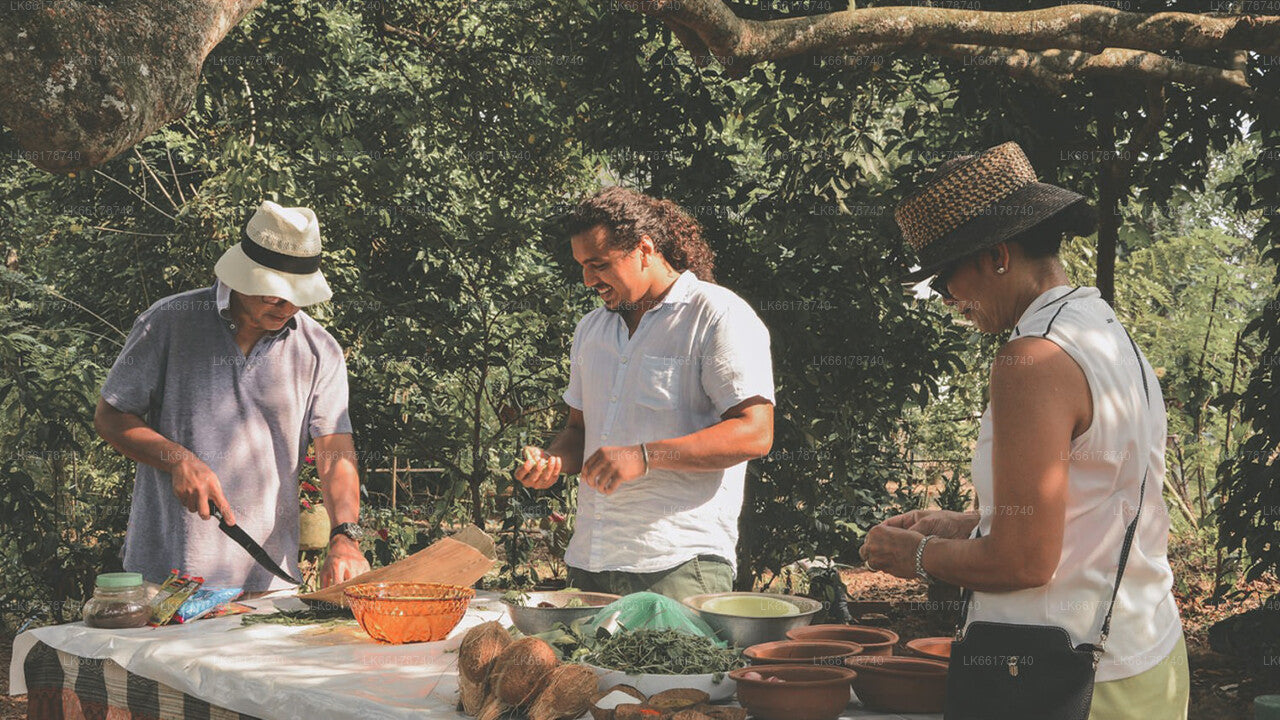
Several village experiences and culinary tourism programmes in the south and around the Cultural Triangle include demonstrations of traditional food preparation, and mee kiri making sometimes features among them. The best encounters happen informally: a conversation with a stall owner who invites you around to the kitchen, or a guesthouse host who starts a batch in the evening so guests can see the process. No visit needs to be elaborate — the craft is compelling precisely because it is so straightforward and so deeply rooted in daily life.