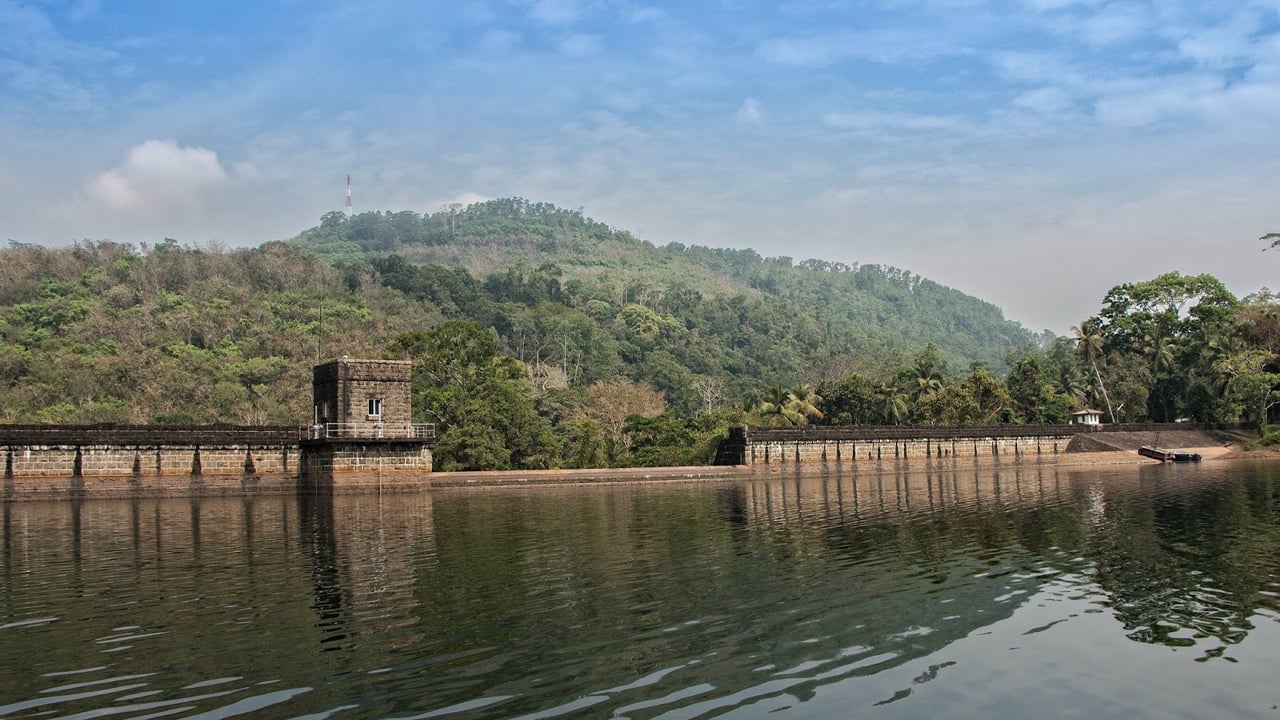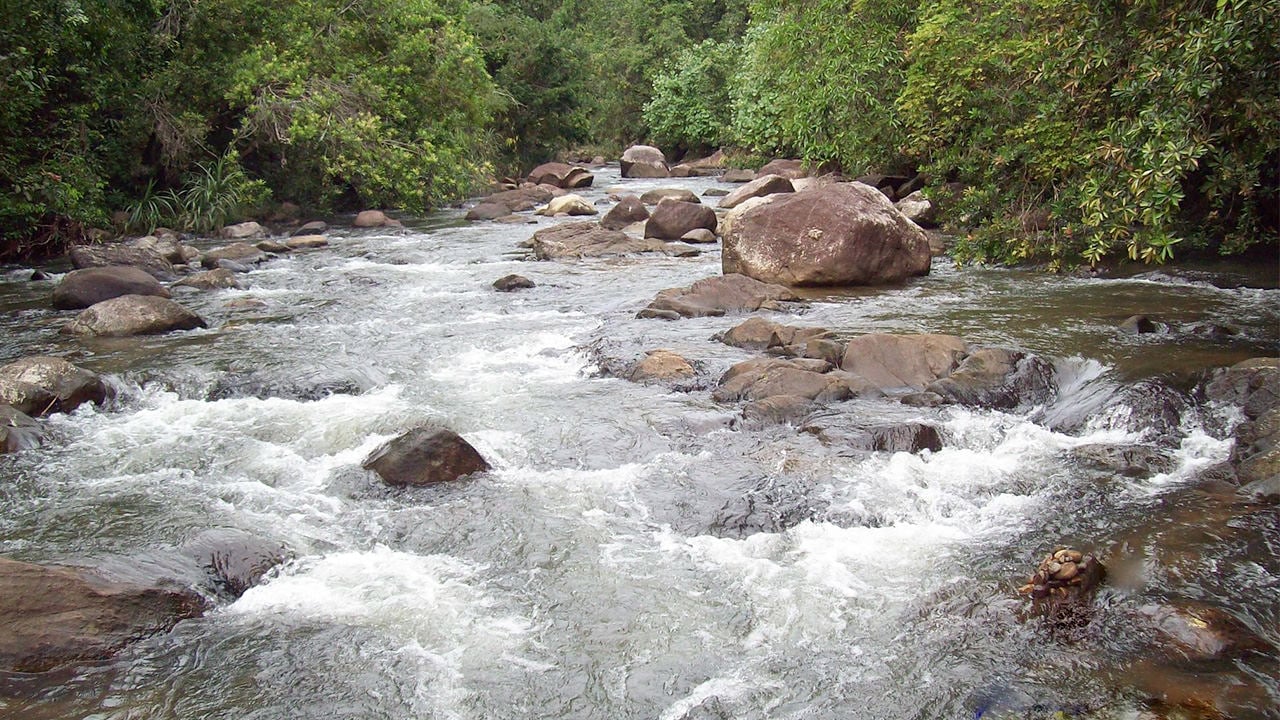
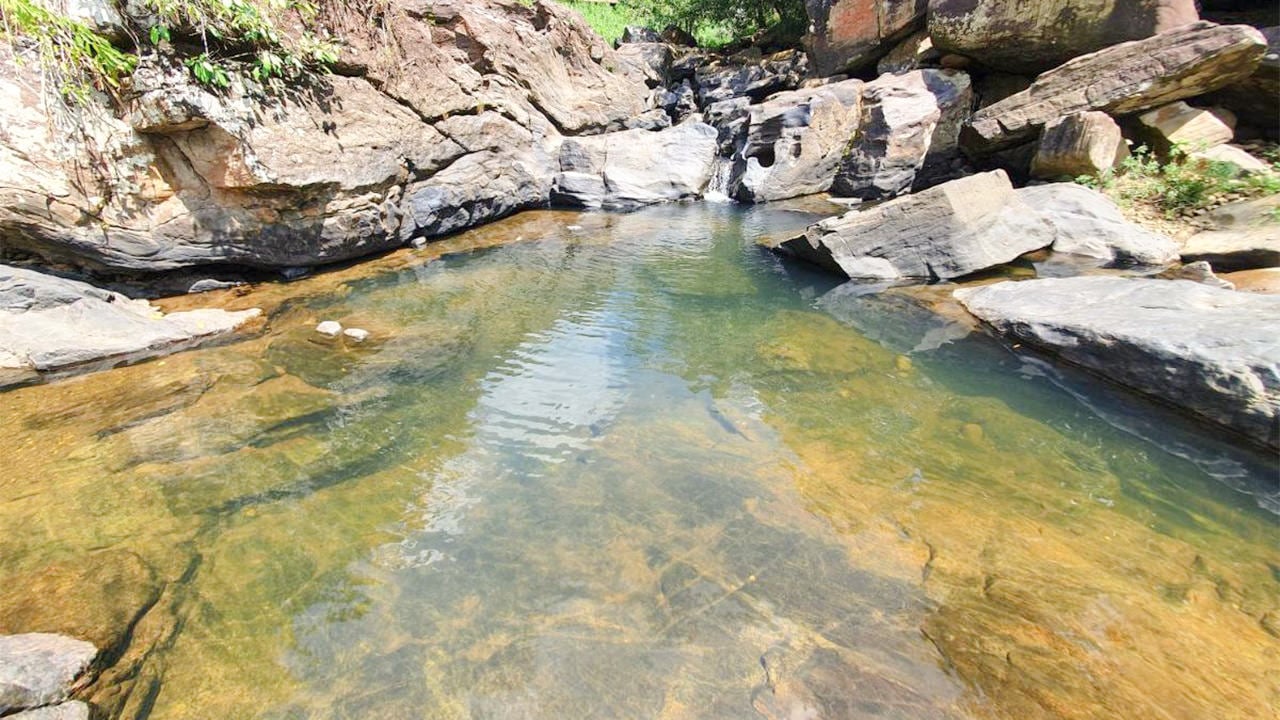

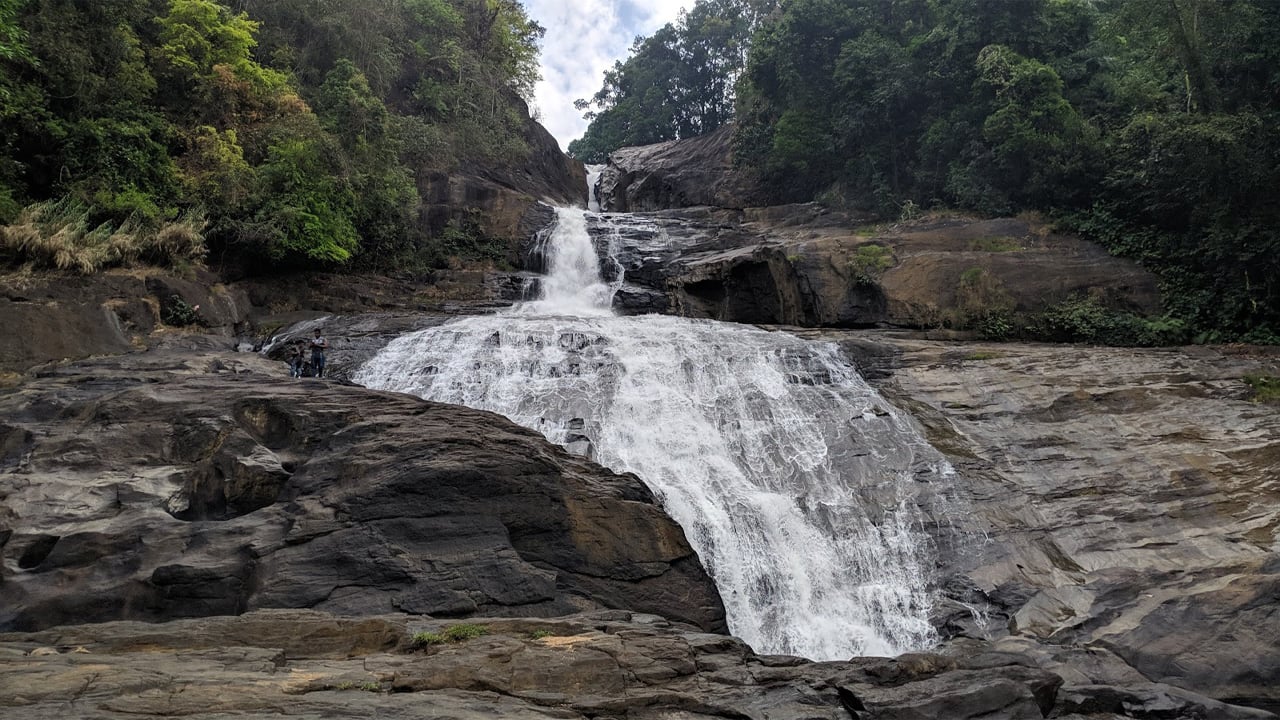
Eheliyagoda is a small but historically layered town in the Rathnapura District of Sabaragamuwa Province, tucked into the lush mid-country foothills of southwestern Sri Lanka. Sitting along the Kalu Ganga river basin and within easy reach of some of the island's most celebrated natural reserves, it functions as a quiet transit point for travellers moving between Colombo and the hill country — and as a base for those who want to explore the region's forests, rivers, and gem-trading traditions without the crowds of more prominent destinations.
Where exactly is Eheliyagoda, and how do I get there?
Eheliyagoda lies roughly 70 kilometres southeast of Colombo, connected by the A4 highway that runs through Avissawella toward Rathnapura. The drive from Colombo takes around two hours depending on traffic, and the route passes through increasingly green, hilly terrain as you leave the Western Province behind. Trains on the Colombo–Avissawella line stop at nearby stations, after which local buses or a private car can bridge the final stretch. The town is also about 20 kilometres north of Rathnapura, making it a natural stopover if you are travelling toward Sinharaja Forest Reserve or the gem-mining heartland of Sabaragamuwa.
What is Eheliyagoda known for?
The town sits at the edge of Sri Lanka's gem-bearing geological belt. Rathnapura, the provincial capital just to the south, is widely regarded as the island's gem capital, and the alluvial soils of the entire district — including the land around Eheliyagoda — have historically yielded sapphires, rubies, and other precious stones. While commercial gem pits are concentrated further south, the tradition of gemming shapes much of the local economy and culture here as well.
Agriculture is equally central to daily life. Rubber, rice, and spices are cultivated on smallholdings across the surrounding hillsides, and the Kalu Ganga provides water for paddy fields that remain active through much of the year. Visitors who take time to walk the rural lanes around the town often encounter working rubber estates and traditional kumbura paddy fields that have changed little in generations.
What natural attractions are near Eheliyagoda?
The town's greatest draw for nature-minded travellers is its proximity to protected forests. Sinharaja Forest Reserve, a UNESCO World Heritage Site and one of Sri Lanka's last lowland rainforests, is accessible within roughly 40–50 kilometres to the south. Sinharaja harbours an extraordinary concentration of endemic species — birds, reptiles, amphibians, and trees found nowhere else on earth — and any serious naturalist visiting the Sabaragamuwa region should factor it into their itinerary.
To the east, the highlands open toward Horton Plains National Park and the Uva highlands, while the Kalu Ganga itself offers riverside scenery that rewards a quiet morning. The river eventually drains toward the coast at Kalutara, but in the mid-country around Eheliyagoda it runs through dense riparian forest that provides habitat for water birds, monitor lizards, and the occasional freshwater fish.
Birdwatching around the town is rewarding year-round. The mix of secondary forest, rubber estates, and wetland edges creates a patchwork of habitats that attracts both endemic species and migratory visitors during the northern winter months, roughly November to March.
What is the history behind Eheliyagoda?
Like much of Sabaragamuwa Province, Eheliyagoda's history is woven into the broader Kandyan-era narrative. The region sat within the outer administrative reach of the Kandyan Kingdom, and place names in the district often preserve references to Kandyan-era land grants, temples, and aristocratic lineages. The name of the province itself — Sabaragamuwa — is thought to derive from the Sabara people, an early indigenous community associated with the forested interior.
British colonial administration drew the main road through Avissawella and Rathnapura partly to access the gem-bearing lands and the agricultural potential of the Kalu Ganga basin, and Eheliyagoda grew as a modest service town along this corridor. Its central market, active particularly on weekly pola (fair) days, reflects the trading patterns established during that era and still serves surrounding farming villages today.
The historical figure Ehelepola Nilame, one of the most prominent and tragic nobles of the late Kandyan period, is associated with the broader Sabaragamuwa region — a reminder that this quiet district was once a stage for some of the island's most consequential political events in the early 19th century.
When is the best time to visit Eheliyagoda?
Sabaragamuwa Province receives rainfall from both monsoons — the southwest monsoon between May and September brings heavy rain, and a secondary northeast influence can extend wet periods into late November. The driest and most comfortable months for travel are generally January through April and again in August, though the landscape stays green year-round thanks to the high annual rainfall.
If your primary goal is walking in the surrounding forests or visiting Sinharaja, aim for the drier inter-monsoon windows. Roads into the forest reserve can become difficult during sustained rain, and leeches are far more active in wet conditions — manageable, but worth knowing in advance.
What can I do in and around Eheliyagoda on a day visit?
- River walk along the Kalu Ganga: Early morning walks along the river bank offer quiet scenery and birdwatching without needing any organised tour.
- Local market: The weekly pola market is the most immediate window into local life — produce, spices, and household goods traded in a format unchanged for decades.
- Rubber estate visit: Many smallholder rubber estates on the outskirts welcome visitors during tapping hours, typically early morning, where you can observe the latex collection process at close range.
- Day trip to Sinharaja: Eheliyagoda is a reasonable staging point for an early-morning departure to Sinharaja; guided walks inside the reserve typically last three to five hours.
- Drive toward Rathnapura: The gem markets and the Rathnapura National Museum, which holds displays on the district's mineralogy and history, are worth the short drive south.
How does Eheliyagoda fit into a wider Sri Lanka itinerary?
The town works well as a half-day stop or overnight break on a route that connects Colombo with the hill country or the southern coast. A logical circuit might run Colombo — Eheliyagoda — Sinharaja — Ella — south coast, covering both the forested mid-country and the beaches without significant backtracking. Alternatively, travellers based in Colombo can reach Eheliyagoda and Sinharaja on a long day trip, returning via Kalutara along the coastal highway.
For those specifically interested in kitul tapping — the traditional extraction of sap from the kitul palm for treacle and jaggery — the Sabaragamuwa foothills are among the best places in the country to witness the practice, and local guides can usually arrange a visit to a working kitul palm.
Is Eheliyagoda suitable for independent travellers?
The town is accessible and safe for independent travel, though English is less widely spoken here than in more tourist-oriented destinations. Basic accommodation exists in Eheliyagoda and more options are available in Rathnapura. A hired vehicle or private driver is the most practical way to explore the surrounding countryside, as public transport connections to forest trailheads and rural estates are limited and infrequent. Road conditions are generally good on the main A4 corridor, with rougher tracks branching into the hills.