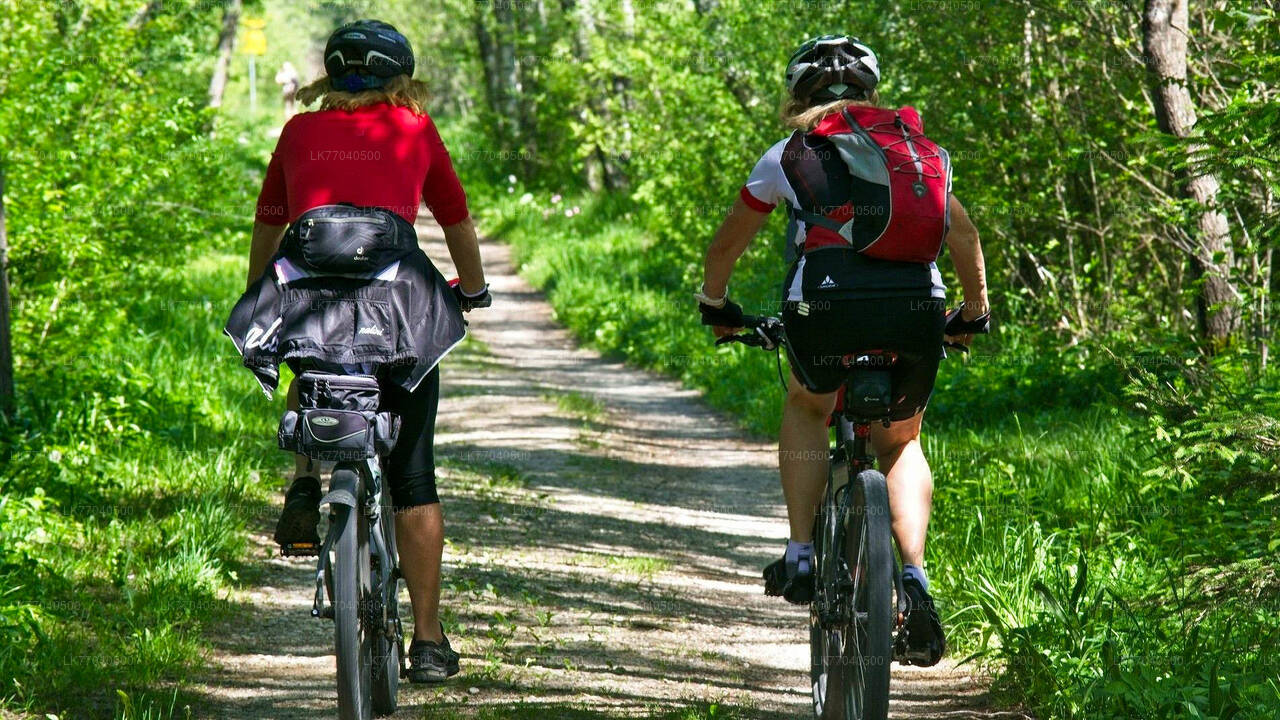
Sri Lanka packs an extraordinary range of terrain into a small island — from sea-level coastal plains and ancient ruins to mist-covered highland passes at over 2,000 metres. That variety makes it one of South Asia's most rewarding destinations for mountain biking. Estate tracks threading through tea country, village lanes cutting through paddy fields, and gravel roads skirting wild-elephant habitat all await riders willing to get off the main roads.
What makes Sri Lanka good for mountain biking?
The country's road network is dense and diverse. Alongside national highways there are hundreds of kilometres of unpaved estate tracks, bund roads along irrigation tanks, forest trails, and cart paths connecting rural hamlets. This means riders of almost any ability level can find a route that suits them. The lowland plains — the Cultural Triangle, the southern coast, the north-western lagoon country — suit beginners or those who prefer longer-distance riding on relatively flat ground. The Central Highlands demand fitness and technical skill, but reward both generously.
Traffic is the main hazard to plan around. Long-distance bus services and three-wheelers share the main roads, and neither is predictable. The practical solution is to start rides early in the morning and, wherever possible, choose secondary roads and trails over A-class highways.
Where are the best mountain biking routes in Sri Lanka?
Central Highlands
The highlands centred on Kandy, Nuwara Eliya, and the Knuckles range offer the most technically demanding and scenically rewarding riding on the island. Kandy is the natural gateway: from here riders can climb through the Hantana mountain range before descending to Pusselawa and continuing to Nuwara Eliya along roads flanked by unbroken tea estate. The Knuckles Range — a UNESCO-listed massif north-east of Kandy — adds rock-strewn singletrack and cloud-forest sections to the mix.
From Nuwara Eliya a full-day loop takes in Horton Plains National Park, where a plateau grassland sits above 2,000 metres. The descent from the plains back towards the valley towns is fast, cold, and unforgettable. A further day's riding southeast brings cyclists to Agra Patana and the upper Uva basin, terrain that is rich in birdlife and largely free of tourist traffic.
Ella and the Uva Foothills
Ella has become a hub for independent cyclists. The surrounding hills offer short technical loops as well as longer rides down to the southern lowlands. Bike rental is available locally, making it easy to plan spontaneous half-day rides without committing to a full guided itinerary.
The Southern Coast
One of the four national cycling trails developed by the Sri Lanka Tourism Promotion Bureau follows the southern coastal belt as far as Koggala. The road stays close to the shoreline for much of its length, passing fishing villages, lagoons, and historic sites. Gradients are gentle, making this the most accessible trail for riders who are new to touring. The route can be combined with a stop at the Koggala Sea Turtle Conservation Project for a break mid-ride.
The Cultural Triangle
A third national trail crosses the North Central Province, linking the ancient cities and tank systems of the dry zone. Riding here is mostly flat and exposed to sun, so early starts and adequate water are essential. The reward is unimpeded access to Polonnaruwa and the surrounding reservoirs, where the roads are quiet enough to stop frequently and take in the ruins and wildlife at a relaxed pace. Cycling between sites beats sitting in a van — distances are short and the atmosphere of the ancient city is easier to absorb at riding speed.
Sabaragamuwa Foothills
The fourth national trail runs through Sabaragamuwa Province at the western edge of the highlands. The terrain here is lower and greener than the upper hills, with rubber plantations and smaller tea gardens alongside the route. It connects the lowland south with the highland interior and can be combined with a detour into the buffer zone of the Sinharaja Forest Reserve.
What level of fitness do you need for mountain biking in Sri Lanka?
The highland routes — particularly the Knuckles Range and the climbs above Kandy — require a reasonable baseline of cardiovascular fitness and comfort riding loaded bikes on loose or muddy surfaces. The coastal and Cultural Triangle trails are genuinely manageable for recreational cyclists who are comfortable on a bike for four to six hours a day. Most guided tours are graded by difficulty in advance; it is worth confirming this with your operator before departure.
Altitude is a real factor in the Central Highlands. Riders arriving from sea level may feel the effects above 1,500 metres, especially on the first day. Building an acclimatisation day into the itinerary — spending a night in Kandy or Nuwara Eliya before the hardest climbs — makes a significant difference.
What equipment should you bring for mountain biking in Sri Lanka?
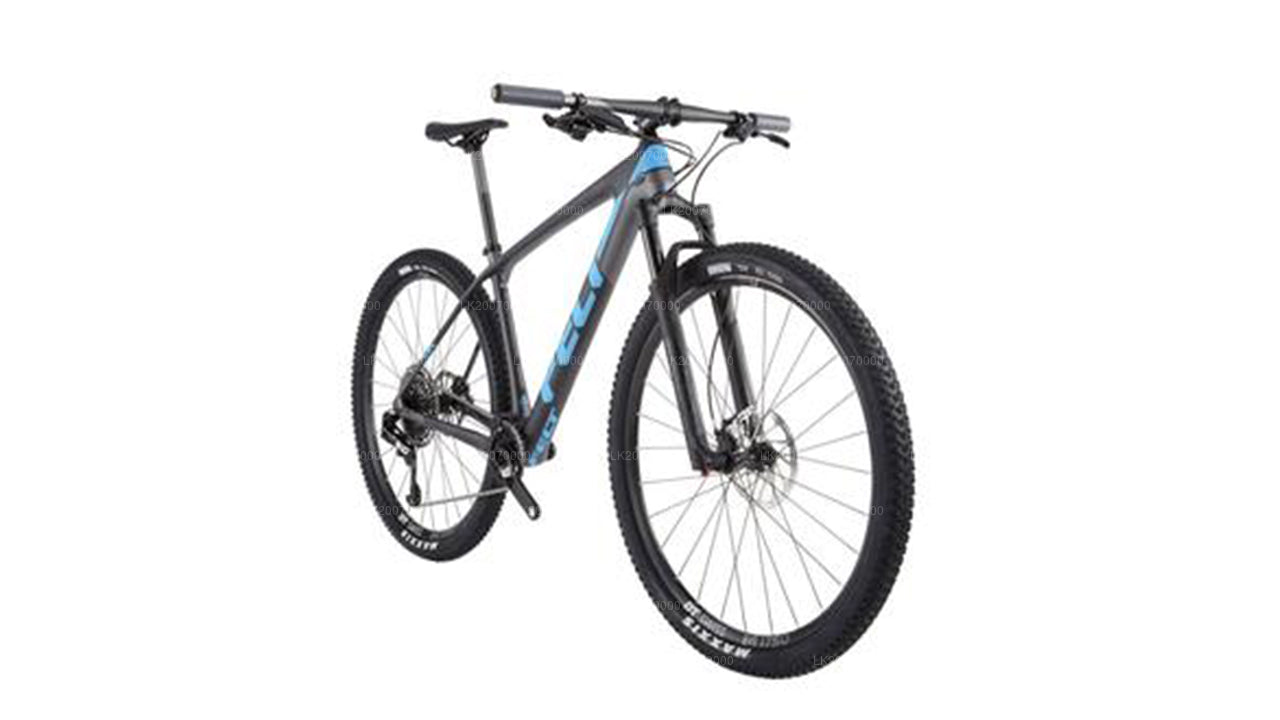
- Bike: A hardtail or full-suspension mountain bike suits highland trails. Hybrid bikes work for coastal and Cultural Triangle routes. Rentals are available in Kandy, Nuwara Eliya, Ella, and Galle.
- Tool kit: Puncture repair equipment, a spare inner tube, tyre levers, and a multi-tool are essential. Cycle repair workshops are common in larger towns but rare in rural areas and on estate tracks.
- Helmet: Non-negotiable. Carry your own if possible, as rental helmet quality varies.
- Hydration: At least two litres of water for highland days. Clean bottled water is available in most towns but not always on remote estate tracks.
- Clothing: Lightweight moisture-wicking layers for the lowlands; a windproof shell and arm warmers for highland descents, which can be cold even at midday.
- Sun protection: Factor 50 sunscreen, a buff or sun-hat for coastal and dry-zone routes where shade is limited.
When is the best time for mountain biking in Sri Lanka?
Sri Lanka's two monsoon seasons divide the island's riding calendar. The south-west monsoon (roughly May to September) brings heavy rain to the highlands and south-western coast, making highland trails slippery and some forest roads impassable. During this period the dry zone — the Cultural Triangle, the north, and the east — is generally good for riding. The north-east monsoon (October to January) reverses the pattern: the south-west and highlands dry out, and the eastern and northern regions become wetter.
For the highlands specifically, the period from January to April tends to offer the clearest skies and most stable conditions. December and January can be cold at altitude overnight — an advantage for daytime riding, less so for camping out.
How do guided mountain biking tours work in Sri Lanka?
Guided tours typically include bike hire, a support vehicle that carries luggage and provides mechanical backup, accommodation bookings, and a local guide who knows the roads and can communicate in Sinhala or Tamil with locals along the route. The support vehicle matters more in Sri Lanka than in many other destinations because some estate tracks dead-end unexpectedly and mobile coverage is patchy in the deeper highland valleys.
Independent touring is entirely feasible for experienced cyclists, but the combination of left-hand traffic, occasional road surface surprises, and the language barrier in remote areas means most first-time visitors find a guided or partially-guided format more practical for highland routes. Coastal and city-to-city routes are considerably easier to self-navigate.
Are there adventure tours that combine mountain biking with other activities?
Many riders combine cycling with other activities — a morning ride through tea estate gardens followed by a factory tour, a wildlife drive in the afternoon, or whitewater rafting on the Kelani River. The adventure tours section of the Lakpura site covers multi-activity itineraries that can be tailored to include mountain biking legs.