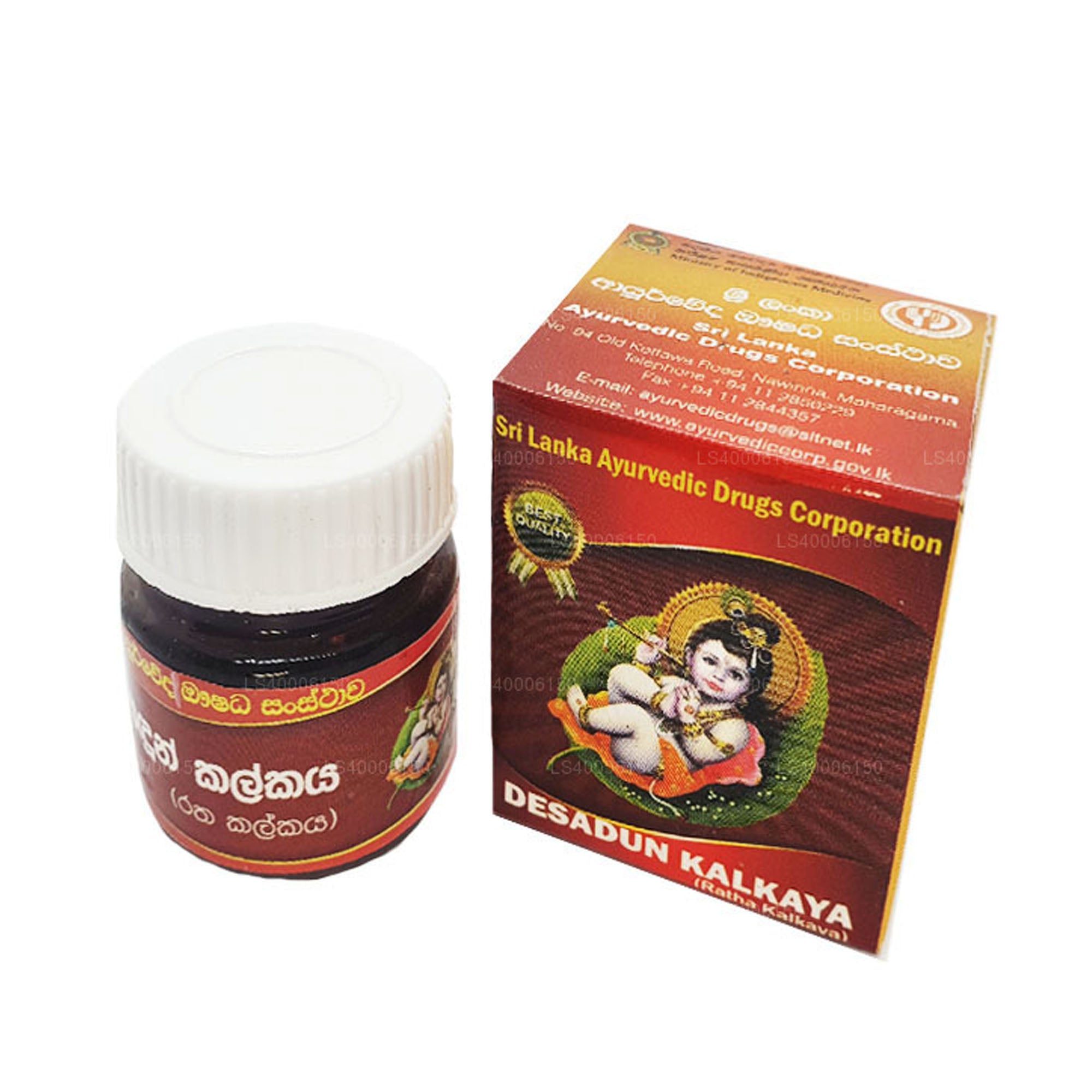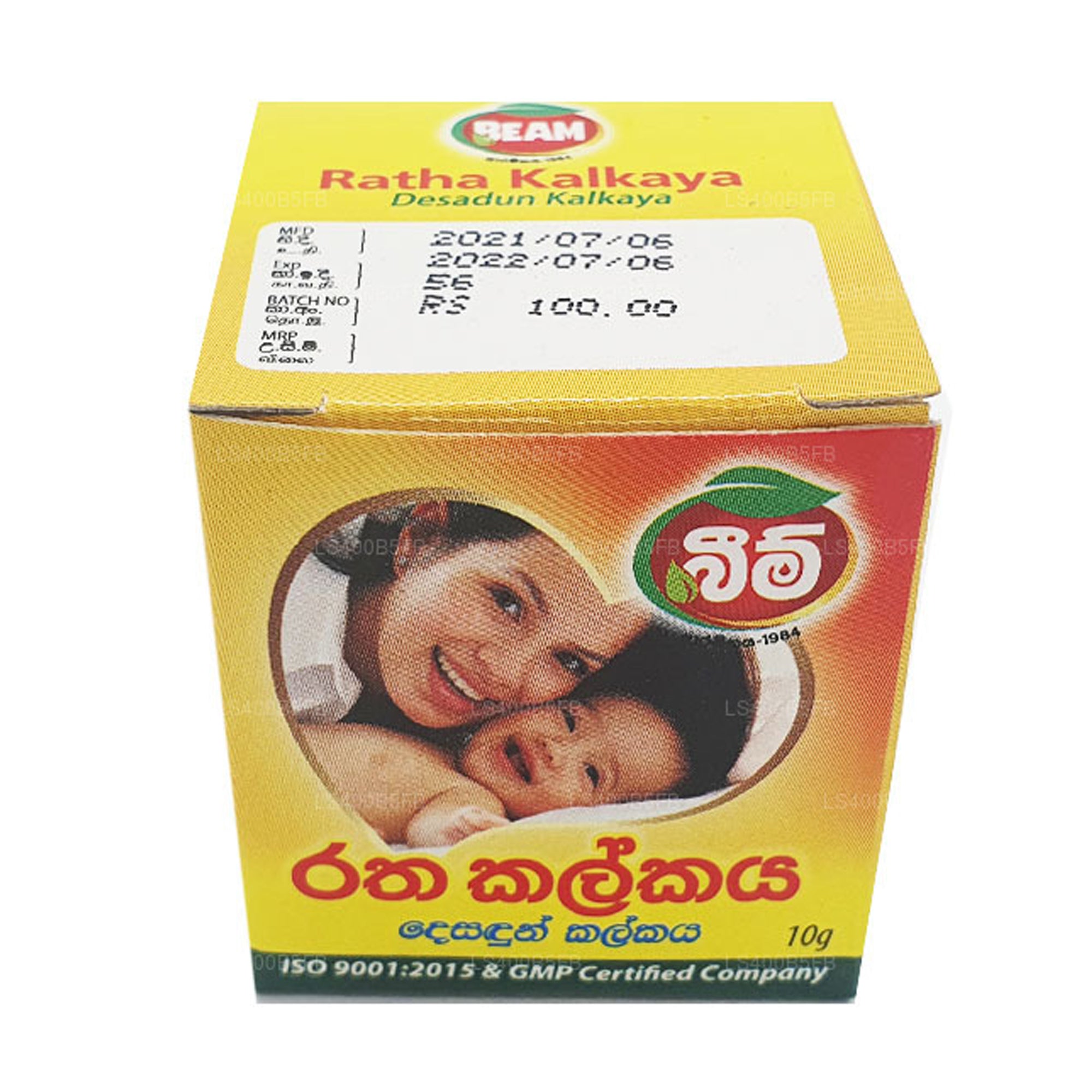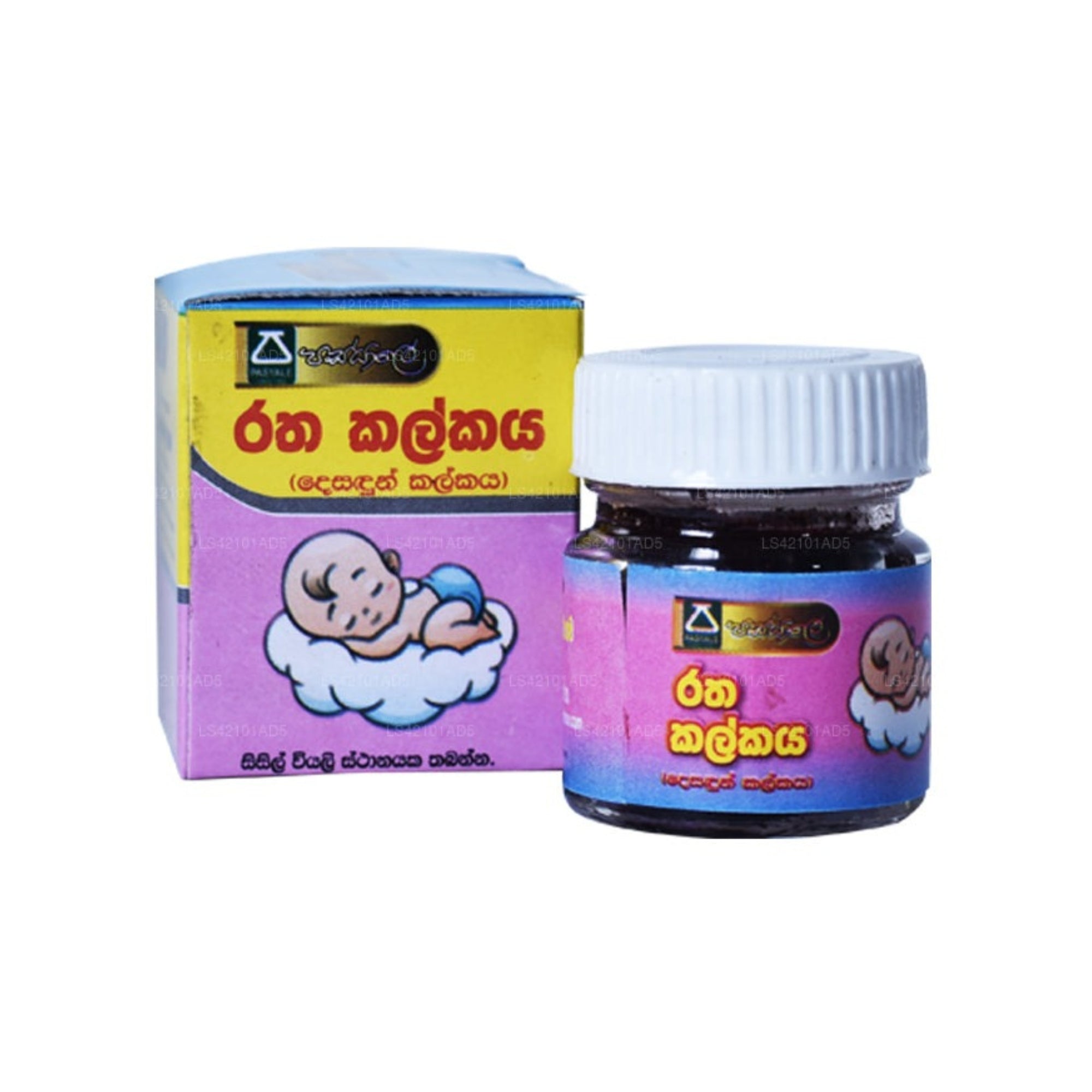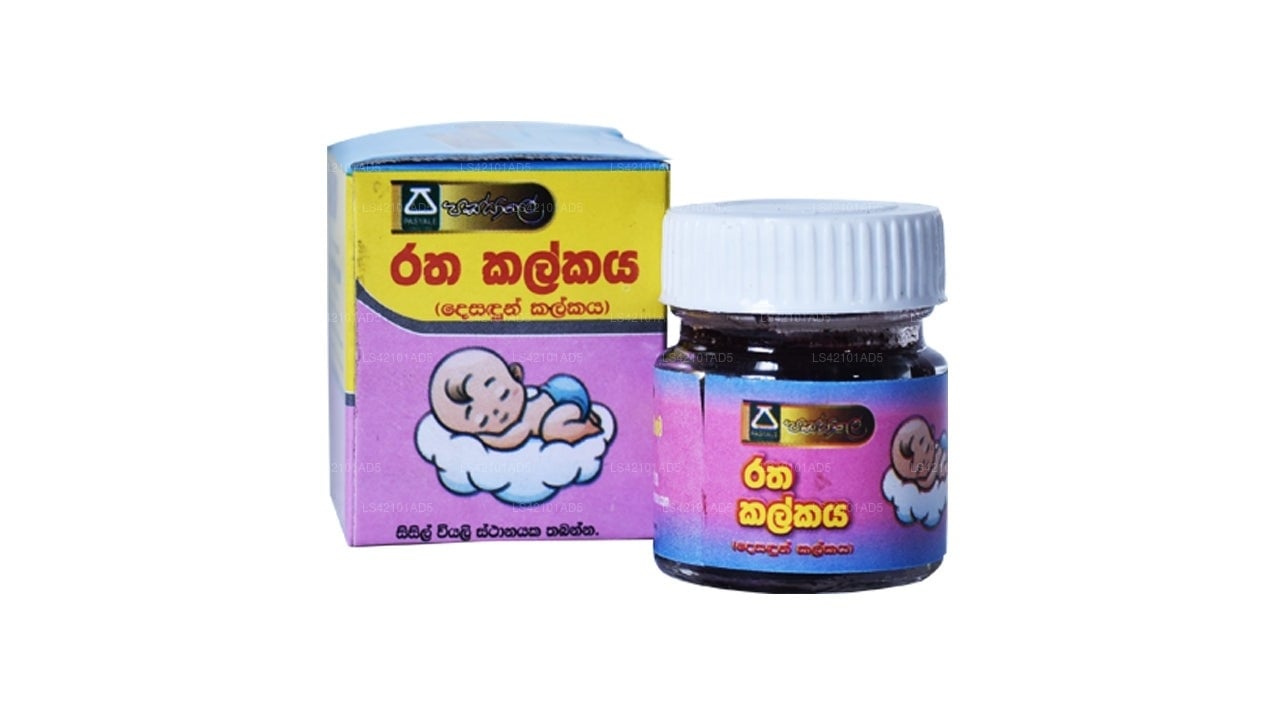
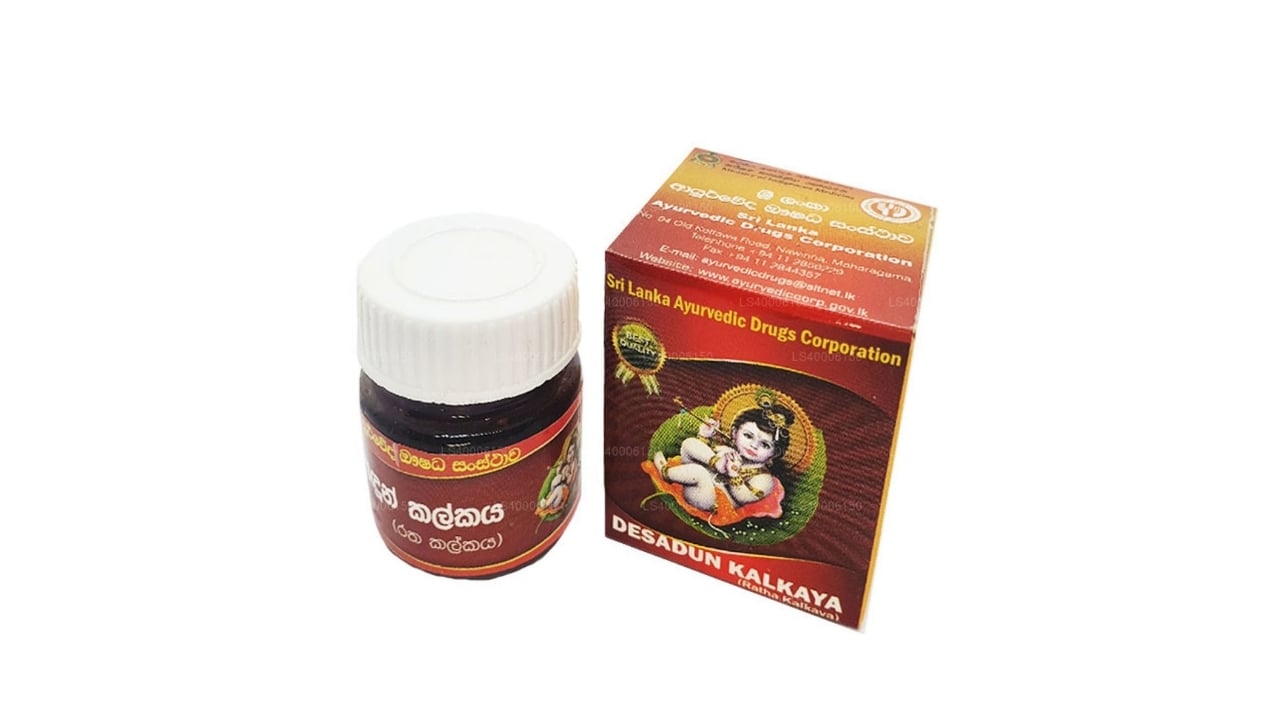
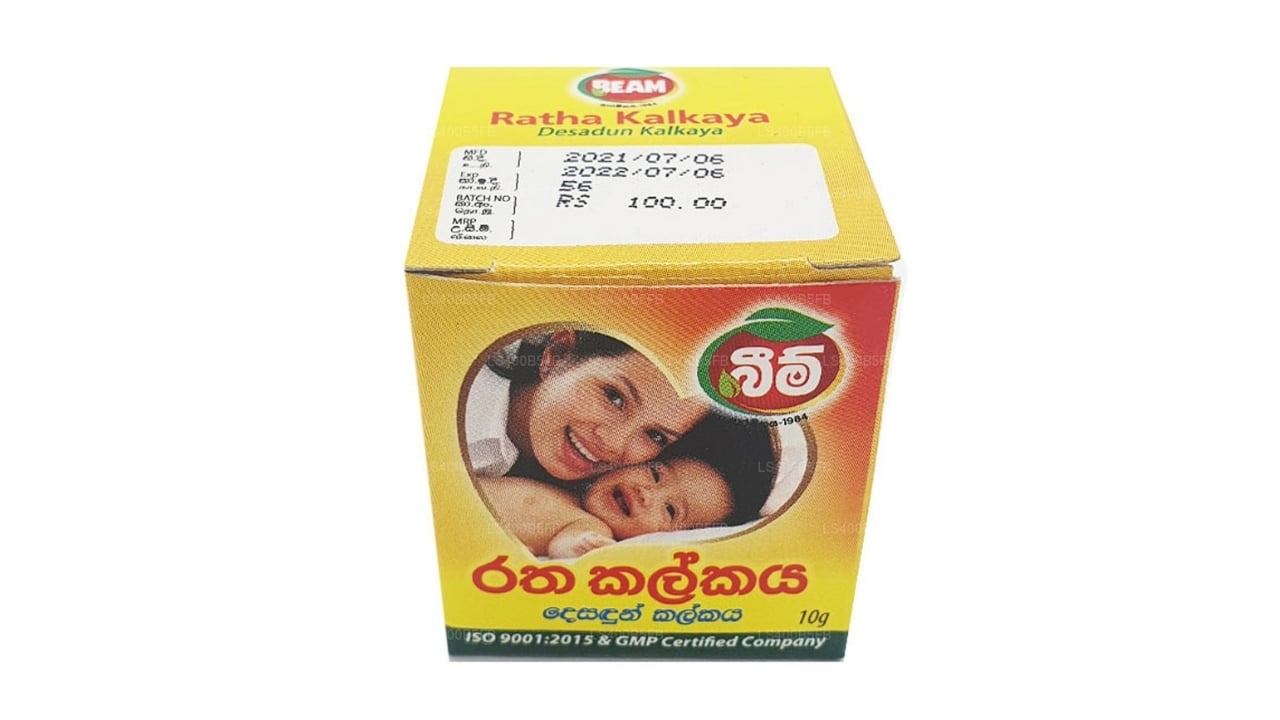


Ratha Kalkaya — also written as Ratha Kalka or Ratha Kalkka — is one of the most recognisable preparations in Sri Lanka's indigenous healing tradition, Hela Wedakama. A thick, reddish-brown paste with a sharp, resinous aroma, it has served as a household remedy across the island for generations, addressing everything from skin rashes and infected wounds to muscle pain and inflammation.
What is Ratha Kalkaya used for?
The preparation is applied topically rather than taken internally. Practitioners and families traditionally reach for Ratha Kalkaya in four broad situations:
- Skin conditions — rashes, fungal infections, eczema-like irritations, and minor wounds
- Musculoskeletal pain — stiff joints, muscle aches, and lower-back discomfort relieved through massage
- Wounds and ulcers — applied as an antiseptic dressing to promote healing
- Inflammation — localised swelling from insect bites, sprains, or minor injuries
Because it is massaged directly into the affected area, it also functions as a mild analgesic, the warming sensation from the herbal oils providing short-term relief to sore tissue.
What ingredients go into Ratha Kalkaya?
The exact formula varies between practitioners and regional traditions, but a core set of ingredients appears consistently across formulations. The base is typically sesame oil or coconut oil, both prized in Ayurvedic practice for their ability to carry medicinal compounds into the skin. Into this base, herbalists blend:
- Kumbuk bark (Terminalia arjuna) — astringent and anti-inflammatory
- Kohomba (Azadirachta indica, neem) — strongly antiseptic, used across South Asian traditional medicine
- Plant resins — contribute to the paste's thick consistency and its characteristic reddish colour
- Powdered roots and dried herbs — sourced locally, with specific combinations kept as practitioners' proprietary knowledge
Some formulations also incorporate Acacia chundra heartwood, which adds further astringency and helps the paste adhere to the skin. The ingredients are slow-cooked together until the water content evaporates completely, leaving the dense, oily paste that gives Ratha Kalkaya its texture.
How is Ratha Kalkaya prepared?
Traditional preparation is labour-intensive and requires careful heat management. Dried herbs and resins are first ground to a fine powder using stone hand-mills. The powders are then added to the oil base and the mixture is heated slowly over a wood fire, stirred continuously to prevent scorching. The process can take several hours. The practitioner judges readiness by the consistency, colour, and aroma of the paste — there is no precise modern measurement; it relies entirely on accumulated knowledge.
In rural households, a small clay pot and a steady flame were historically all that was needed. Today, some Ayurvedic manufacturers produce Ratha Kalkaya at scale while preserving the original heat-and-reduce method, making it available in standardised packaging through Ayurvedic shops and wellness centres.
How does Ratha Kalkaya fit into Hela Wedakama?
Hela Wedakama is Sri Lanka's pre-colonial indigenous medical system, distinct from — though related to — classical Indian Ayurveda. It draws heavily on locally available flora and on oral traditions passed down through families and village healers known as vederalas. Ratha Kalkaya sits within a broader category of kalkaya (paste) preparations that Hela Wedakama uses for external application, alongside internal decoctions and inhalation therapies.
Related traditional preparations such as Yogaraja Guggulu and Kaishore Guggulu — both well-known in the Ayurvedic pharmacopeia — treat overlapping complaints internally, while Ratha Kalkaya addresses the same conditions from the outside. Practitioners often use them in combination.
The broader herbal tradition also includes Pushyanuga Churna, a powdered preparation used internally, which illustrates the range of dosage forms within the same healing framework.
Is Ratha Kalkaya still relevant today?
Despite widespread access to pharmaceutical alternatives, Ratha Kalkaya remains in active use across Sri Lanka, particularly in rural and semi-urban areas. Its continued relevance stems from several factors: it is affordable, it requires no prescription, it is perceived as free from synthetic chemical side effects, and — for many users — it simply works for the everyday ailments it has always addressed.
Ayurvedic hospitals and wellness retreats across the island incorporate Ratha Kalkaya into traditional treatment programmes, particularly for guests seeking yoga and Ayurvedic wellness experiences. International visitors have shown growing interest in indigenous Sri Lankan remedies as part of a broader shift toward wellness tourism.
Where can you find authentic Ratha Kalkaya in Sri Lanka?
Genuine preparations are available from several sources:
- Ayurvedic hospitals and government dispensaries — the most reliable source for classically formulated preparations
- Traditional vederalas — village practitioners who make small batches to order
- Ayurvedic retail shops — found in most towns; look for preparations produced by registered manufacturers
- Wellness retreats — upmarket Ayurvedic centres often stock curated selections for guests
Packaged versions from established Sri Lankan herbal medicine producers are also increasingly sold online, allowing travellers to take the remedy home. When purchasing, look for a government registration number from the Department of Ayurveda, which indicates the formulation has been assessed for safety.
What should you know before using Ratha Kalkaya?
As with any topical preparation containing plant resins and concentrated oils, a patch test on a small area of skin is sensible before widespread application. People with known allergies to neem or sesame should approach cautiously. Ratha Kalkaya is not recommended for application over deep or heavily bleeding wounds without professional guidance. Pregnant women are generally advised to consult an Ayurvedic practitioner before use, as some formulations contain herbs that are contraindicated during pregnancy.
It is also worth noting that "Ratha Kalkaya" is a category of preparation rather than a single standardised product — different producers may use different proportions of ingredients, which can produce meaningfully different effects. The advice of a qualified Ayurvedic physician remains the most reliable guide to appropriate use.