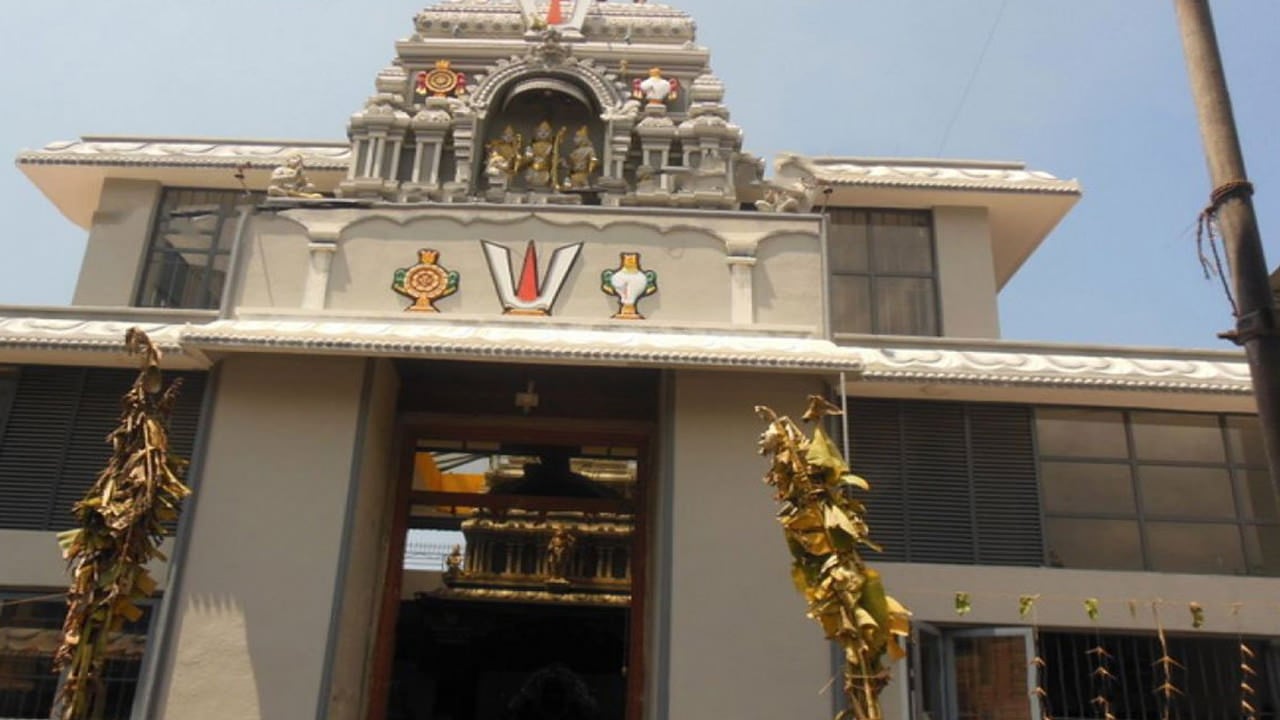
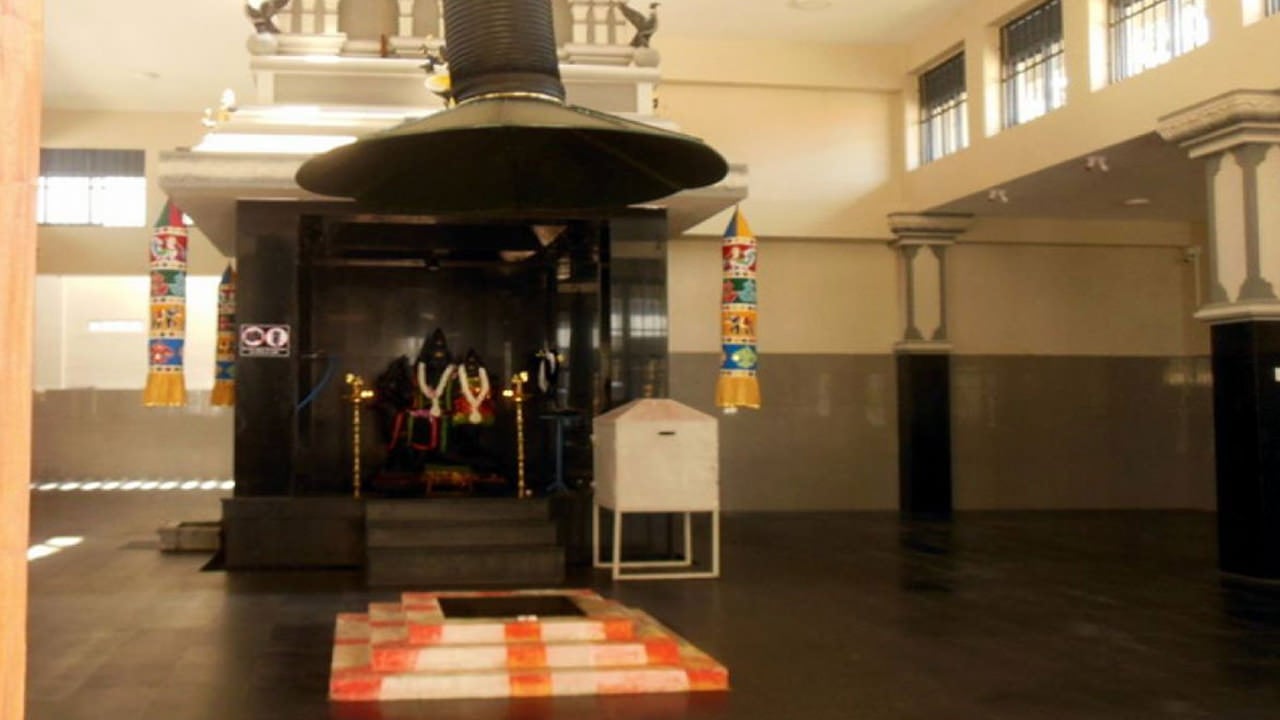
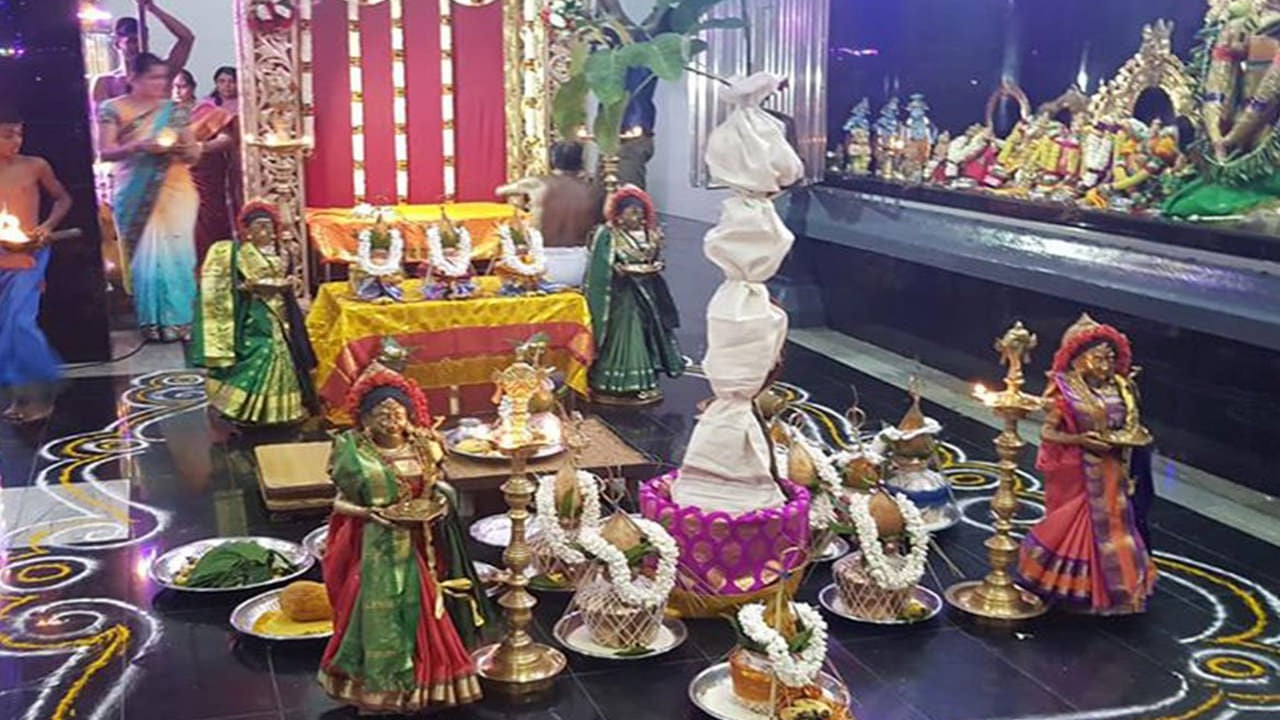
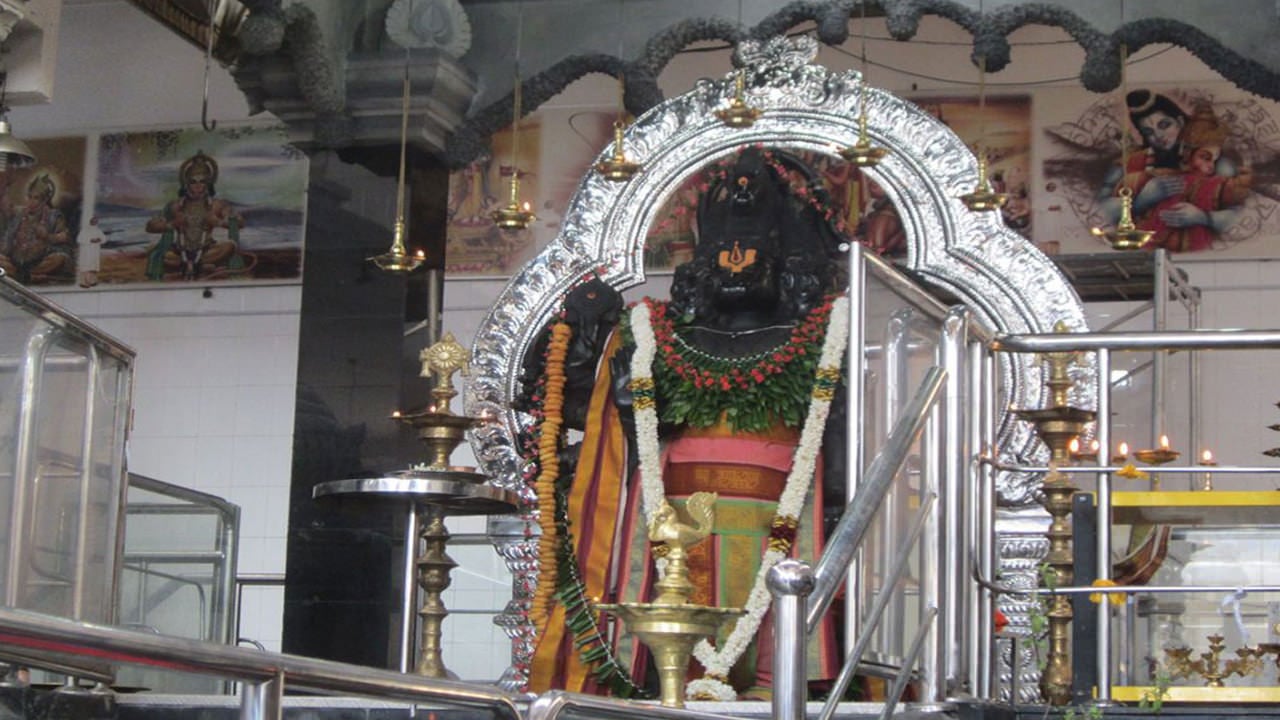
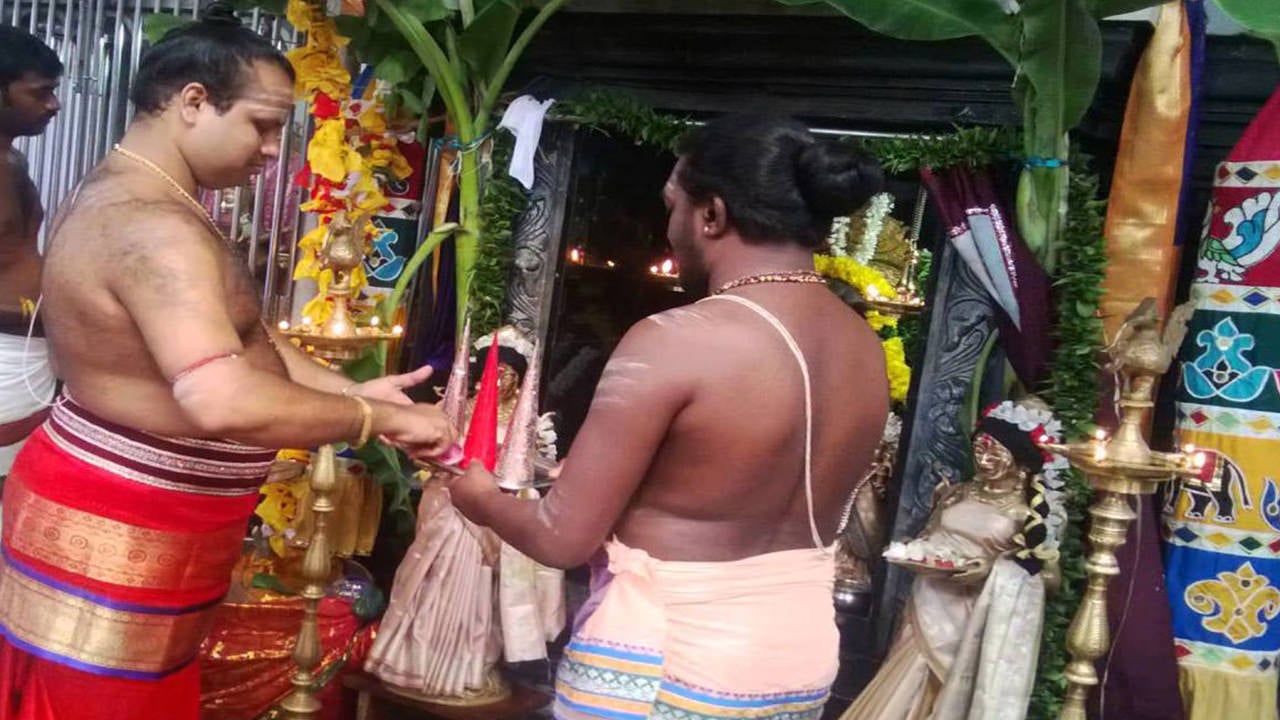
Tucked within Colombo, the Panchamuga Anjaneyar Temple holds a singular place in Sri Lanka's Hindu religious landscape: it is widely regarded as the island's first temple dedicated to Lord Hanuman in his Panchamuga — or five-faced — form. Each of the five faces represents a different divine aspect of Anjaneyar, and together they make this a site of considerable theological significance for devotees across the Tamil Hindu community and beyond.
What is the Panchamuga form of Anjaneyar?
The term "Panchamuga" derives from the Sanskrit words for five (pancha) and face (muga). In this iconographic tradition, Hanuman is depicted with five heads, each associated with a different deity and a specific set of boons: Hanuman, Narasimha, Garuda, Varaha, and Hayagriva. Worshipping Hanuman in this combined form is believed to confer protection from evil, liberation from sin, and fulfilment of sincere devotion. Among Tamil Hindus, Hanuman is commonly addressed as Anjaneyar, a name derived from his mother Anjana.
The theological roots of this temple connect directly to the Ramayana. According to tradition, Lord Shiva himself took the form of Hanuman, and Hanuman's decisive role in helping Lord Rama defeat the demon king Ravana gives Sri Lanka — the site of that ancient conflict — a particular resonance as a place for Hanuman worship. The temple is considered one of the significant stops on a Colombo city tour for visitors tracing Ramayana-related heritage across the island.
Who founded the temple and when?
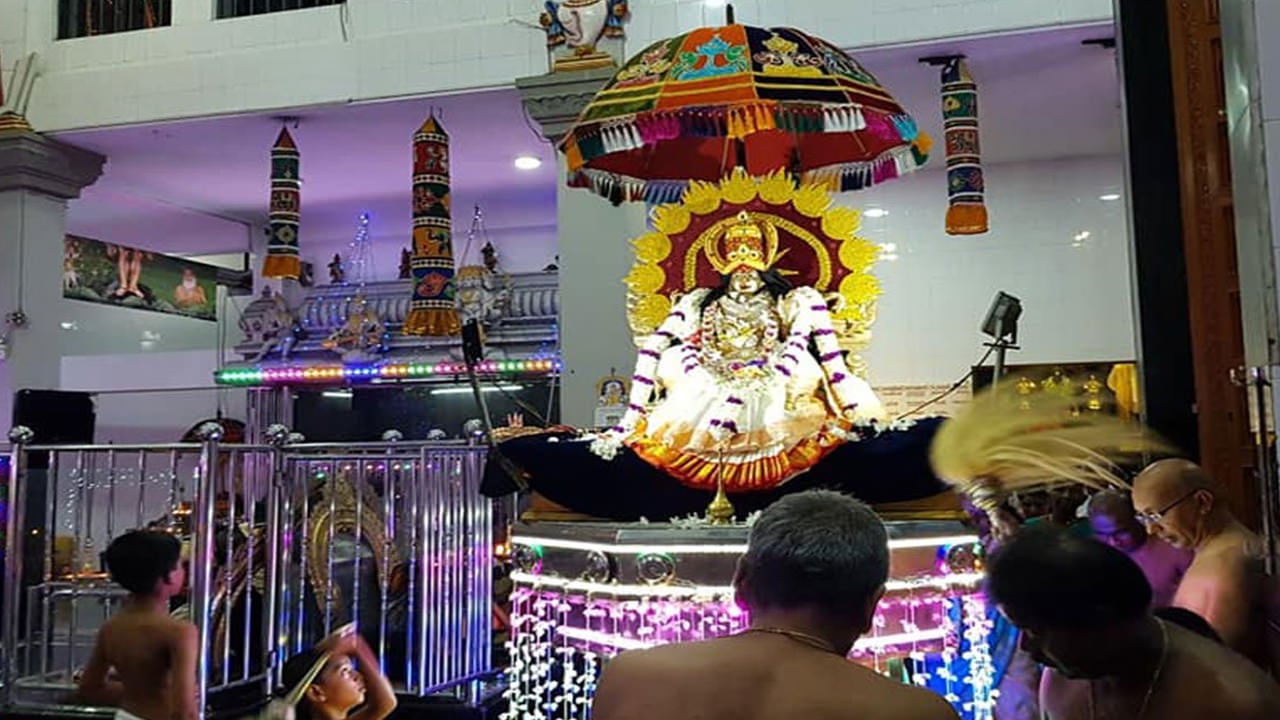
The temple was established by Srimath Chandrasekara Swamigal, a revered religious figure credited with bringing organised Anjaneyar worship to Sri Lanka. Under his guidance, not only was the first Hanuman temple on the island consecrated here, but the first chariot dedicated to Anjaneyar anywhere in the world was also constructed and launched — an event that took place in 1998. That inaugural chariot procession marked a milestone in the devotional calendar of Sri Lanka's Hindu community and set the template for the elaborate annual festival that continues today.
What happens during the annual chariot festival?
The chariot festival — held annually in late December or early January, aligned with Anjaneyar Jayanthi — is the spiritual and cultural centrepiece of the temple's year. Preparations begin with a ten-day cycle of yaga (fire ritual) and special poojas. A particularly distinctive element of the ceremony involves bringing holy water from Sita Eliya in Nuwara Eliya, along with soil and a twig from a tree at that site, as offerings before the chariot is permitted to move. This ritual link between Colombo and the hill-country site associated with Sita underscores the Ramayana geography that threads through Sri Lanka's religious culture.
On the day of the procession, the chariot sets off at around 8:00 am and the ceremonial journey concludes in the evening, drawing large numbers of devotees who accompany it through the streets in prayer and song.
Where is the temple located?
The Panchamuga Anjaneyar Temple is situated in Colombo, Sri Lanka's commercial capital and largest city. Colombo's Hindu temples are woven into the city's diverse religious fabric alongside Buddhist viharas, Christian churches, and mosques, reflecting centuries of cultural coexistence. The temple is accessible from most parts of the city, and visitors combining it with other Colombo landmarks will find it fits naturally into a morning or afternoon itinerary.
What should visitors know before going?
A few practical points help ensure your visit is respectful and smooth:
- Dress modestly. Both men and women should cover their shoulders and legs. Lightweight cotton clothing works well in Colombo's warm, humid climate.
- Remove footwear before entering the temple premises, as is standard practice at Hindu shrines across Sri Lanka.
- Wash your hands and feet before entering the inner sanctum. Facilities are typically available at the entrance.
- Avoid folding your hands inside the temple in the manner associated with other religious traditions — within this shrine, the specific gestures of Hindu prayer (anjali mudra adapted for Anjaneyar worship) are observed differently. Follow the lead of other devotees if you are unfamiliar with the rituals.
- Photography norms vary; ask permission from temple staff before photographing the deity or inner chambers.
- Festival timing: If you plan to attend the chariot festival, arrive early — the procession begins around 8:00 am and the approach roads become crowded.
How does this temple relate to Ramayana heritage in Sri Lanka?
Sri Lanka is increasingly recognised as an important destination for travellers exploring Ramayana-related sites. The island's landscape contains numerous places linked — by tradition and scriptural interpretation — to key episodes of the epic: from the highland terrain of Nuwara Eliya, associated with the Ashoka Vatika where Sita was held, to coastal formations said to be remnants of the land bridge built by Hanuman's army. The Panchamuga Anjaneyar Temple in Colombo serves as both a living place of worship and a starting point for understanding this layered religious geography. The ritual use of materials from Sita Eliya during the chariot festival physically and symbolically connects the two locations each year.
What else can I see near the temple in Colombo?
Colombo rewards exploration beyond its obvious landmarks. The city holds colonial-era architecture, bustling pettah bazaars, diverse places of worship, and a rapidly evolving waterfront. The Colombo Lotus Tower is visible from many parts of the city and offers a contemporary counterpoint to the temple's ancient devotional traditions. For those interested in the wider Hindu temple circuit of Sri Lanka, the country's north and east hold numerous significant kovils, while the Cultural Triangle to the north of Colombo encompasses Buddhist heritage sites of world standing.