

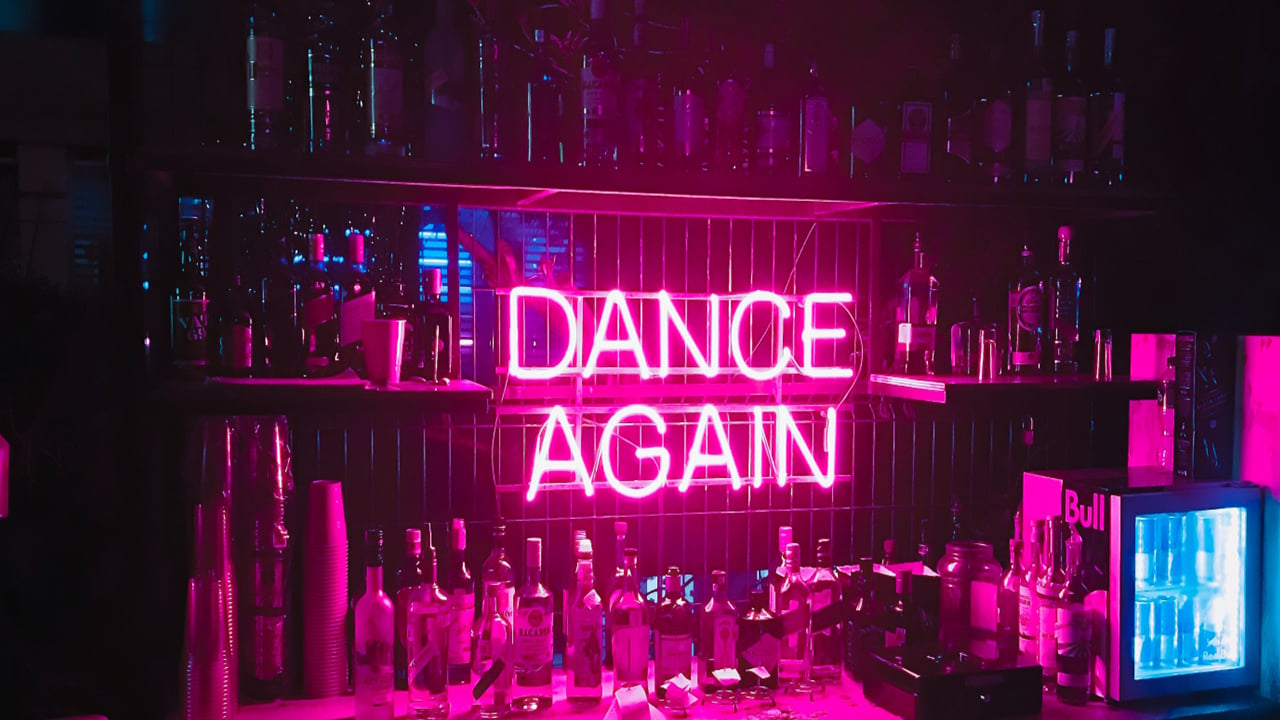

Colombo's after-dark scene has changed considerably over the past decade. What was once a city that wound down early has grown into a genuinely lively capital with rooftop bars, craft-cocktail lounges, live music, and a pub culture that welcomes both locals and visitors. Beyond Colombo, a handful of beach towns and hill-country destinations offer their own quieter but no less enjoyable evenings out.
What is the nightlife scene like in Colombo?
Colombo is Sri Lanka's undisputed nightlife capital. The city's entertainment offerings have diversified rapidly, and there is now something to suit most tastes — whether that is a rooftop bar with views of the city skyline, a live-band venue drawing an older crowd, or a late-night casino. The key districts to explore on foot are the Fort, Kollupitiya (Colpetty), and Beira Lake–adjacent neighbourhoods, where most of the city's best-known venues are clustered.
Dress code matters more than visitors sometimes expect. Smart casual is typically the minimum standard for clubs and rooftop venues; flip-flops and beachwear will likely see you turned away at the door. Carry your passport or a copy — some venues check identification and a few casinos restrict entry to foreign nationals or those above 18 years of age.
Which bars and restaurants stand out in Colombo?
A few venues have carved out a reputation worth knowing before you arrive:
- Botanik at Fairway Colombo — Occupying the 8th-floor rooftop of the Fairway Hotel in Colombo Fort, Botanik combines a well-stocked bar with a panoramic viewing gallery over the city's rapidly evolving skyline. It is a reliable choice for sundowners and early-evening cocktails.
- Park Street Mews — A row of carefully restored colonial-era warehouses off Park Street, converted into a private entertainment precinct. The Mews houses restaurants, bars, and a dedicated event space. The intimate, street-like setting makes it popular for both casual evenings and private functions.
- Ask for Fern — Hidden behind a flower-shop façade on Sir Mohammad Macan Makar Mawatha, this restaurant conceals an atmospheric interior of antique portraits, candlesticks, and oversized mirrors. The intentional secrecy is part of the appeal — you genuinely do have to ask for Fern to find it.
- The Love Bar & The Attic Club (Flamingo House) — A quirky, colourful venue with a 1990s Indian aesthetic and an energy that sits somewhere between cocktail bar and late-night club. It draws a young, creative crowd and keeps going well past midnight on weekends.
- 7 Degrees Restaurants & Bar — 7 Degrees offers a relaxed dining and bar experience in a contemporary setting, with a menu that mixes international flavours with local ingredients.
What is pub culture like in Sri Lanka?
One of the more noticeable shifts in Colombo's social scene is the emergence of a genuine pub culture. Sports bars, craft-beer taprooms, and neighbourhood pubs have appeared across the city's main residential and commercial strips. A pub crawl through Kollupitiya or along Galle Road on a Friday or Saturday night tends to be a sociable affair — Sri Lankans are known for their hospitality, and strangers rarely remain strangers for long over a cold Lion beer or an arrack cocktail.
Arrack, distilled from coconut-flower sap or grain, is Sri Lanka's signature spirit. It appears in most bars in both its neat form and as the base of mixed drinks. Trying it in a local bar is a more authentic experience than ordering imported spirits.
Are there casinos in Colombo?
Colombo has a number of casinos — locally often referred to as clubs — concentrated mainly in the Fort and Beira Lake areas. Standard table games include roulette, baccarat, blackjack, and poker. Many venues offer complimentary food and soft drinks to players, and some have live-band entertainment running through the evening. Entry is restricted to those aged 18 and above; some establishments admit foreign nationals only. Smart casual dress is expected, and photo identification is usually required at the door.
Where can I find live music in Colombo?
Live bands have long been a fixture of Colombo's hotel bars and standalone venues. The standard of musicianship is generally high — many Sri Lankan session musicians are accomplished cover-band performers who work across jazz, rock, and pop repertoires. Hotel five-star properties along Galle Face and in Bambalapitiya typically schedule live acts on weekend evenings; check with your hotel concierge for current programming. Smaller, independent venues occasionally host original music nights, though these are less predictable and advertised mainly through social media.
What about street food and late-night eating in Colombo?
Some of the best food in Colombo is eaten standing up, at a roadside kade (small stall) or a night market. Kottu roti — chopped flatbread stir-fried with vegetables, egg, and your choice of meat — is the definitive late-night street dish and the rhythmic sound of its preparation (cooks beat the roti on a hot griddle with metal blades) is a familiar soundtrack on Colombo's night streets. String hoppers, hoppers, and devilled dishes are also common late-night options at small restaurants that stay open well past midnight.
The Pettah district and parts of Maradana have traditional night markets and small eateries that cater largely to a local crowd. The food is inexpensive and often excellent — a useful reminder that the most tourist-facing restaurants are not always the most interesting ones.
Is there nightlife outside Colombo?
Colombo holds the majority of Sri Lanka's nightlife infrastructure, but a few other towns are worth mentioning:
- Negombo — The beach strip north of the lagoon has a cluster of seafood restaurants, bars, and small clubs that cater to international visitors, particularly those arriving or departing via Bandaranaike International Airport. A Negombo city tour by day can be conveniently paired with an evening along the beach road.
- Hikkaduwa and Unawatuna — On the south-west coast, these surf-town beach strips have a casual, open-air bar scene. Music venues, fire shows on the beach, and informal seafood restaurants keep evenings lively, particularly during the November-to-April high season.
- Galle — The fort town is quieter after dark than the beach towns, but several rooftop bars and restaurant-bars within the Galle Fort walls offer a refined, historically atmospheric setting for an evening drink.
- Kandy — Sri Lanka's cultural capital winds down relatively early, but hotel bars around the Kandy Lake and a handful of restaurants near the town centre provide options. The Esala Perahera festival, held annually in July or August, transforms Kandy's evenings entirely for about two weeks — the nighttime procession of elephants, drummers, and fire dancers is an unmissable event in its own right.
What should I know before going out in Sri Lanka?
A few practical points help avoid surprises:
- Alcohol is not sold at many shops on full-moon (Poya) public holidays, and some licensed venues also close. Check the lunar calendar if you are planning around specific dates.
- Taxis and ride-hailing apps (PickMe and Uber both operate in Colombo) are the safest and most practical way to move between venues at night. Private drivers arranged through your accommodation are another reliable option.
- Nightlife in Colombo tends to start later than visitors from Europe or North America might expect — most venues only fill up from around 10 pm onwards on weekends.
- Prices in tourist-facing venues are higher than in local bars, though still modest by international standards. Agreeing on prices before ordering at unlicensed street stalls is sensible.