Lakpura
Lakpura®

Mahinda Rajapaksa International Cricket Stadium

The Mahinda Rajapaksa International Cricket Stadium, widely known as Sooriyawewa International Cricket Stadium, sits on the southern fringe of Hambantota town and holds a place in Sri Lanka's modern sporting history. Built expressly for the 2011 ICC Cricket World Cup, it became the country's second largest cricket venue with a capacity of around 35,000 spectators, trailing only the R. Premadasa Stadium in Colombo.

What is the history of the Hambantota cricket stadium?

Construction of the ground was completed in the lead-up to the 2011 Cricket World Cup, which Sri Lanka co-hosted with India and Bangladesh. The stadium's first official international fixture took place on 20 February 2011, when Sri Lanka faced Canada in a group-stage match that the hosts won by 210 runs — a comfortable victory that underlined the team's ambitions of winning the tournament on home soil. A second World Cup group match was also staged at the venue that same month.

The stadium returned to the international calendar in 2012 when it hosted three matches during the ICC World Twenty20 tournament. Those fixtures brought global broadcast attention to what had been, until recently, a relatively overlooked corner of the island's deep south.

What makes the stadium worth visiting?

The ground occupies a commanding position within the Hambantota district and was engineered to accommodate large crowds with modern facilities, including covered stands and floodlights capable of hosting day-night internationals. The playing surface is maintained by a resident curator, and the broader precinct reflects the infrastructure investment that transformed Hambantota from a small fishing port into a regional hub during the 2000s.

For cricket fans touring Sri Lanka, the stadium offers an interesting counterpoint to the older, more atmospheric grounds in Colombo, Kandy, and Galle. Its relatively short history means it lacks decades of cricketing folklore, but that clean-slate quality appeals to visitors who want to see how Sri Lanka has developed world-class facilities beyond its traditional cricketing heartlands.

Where is the stadium located and how do I get there?

The ground is situated in the Sooriyawewa area of Hambantota District, in the Southern Province of Sri Lanka. Hambantota is roughly 240 km south of Colombo by road, making it a manageable journey of around three to four hours by private vehicle along the Southern Expressway. The expressway has significantly reduced travel time from the capital compared with the old coastal route.

Matara is the nearest large town with a rail connection; from there, visitors typically hire a vehicle for the final stretch into Hambantota. Private car hire with a driver-guide is the most convenient option and gives you the flexibility to combine a stadium visit with the region's other attractions.

What else can I do near the Hambantota cricket stadium?

The Southern Province packs a remarkable variety of experiences within a short drive of the stadium. Some highlights worth combining with your visit:

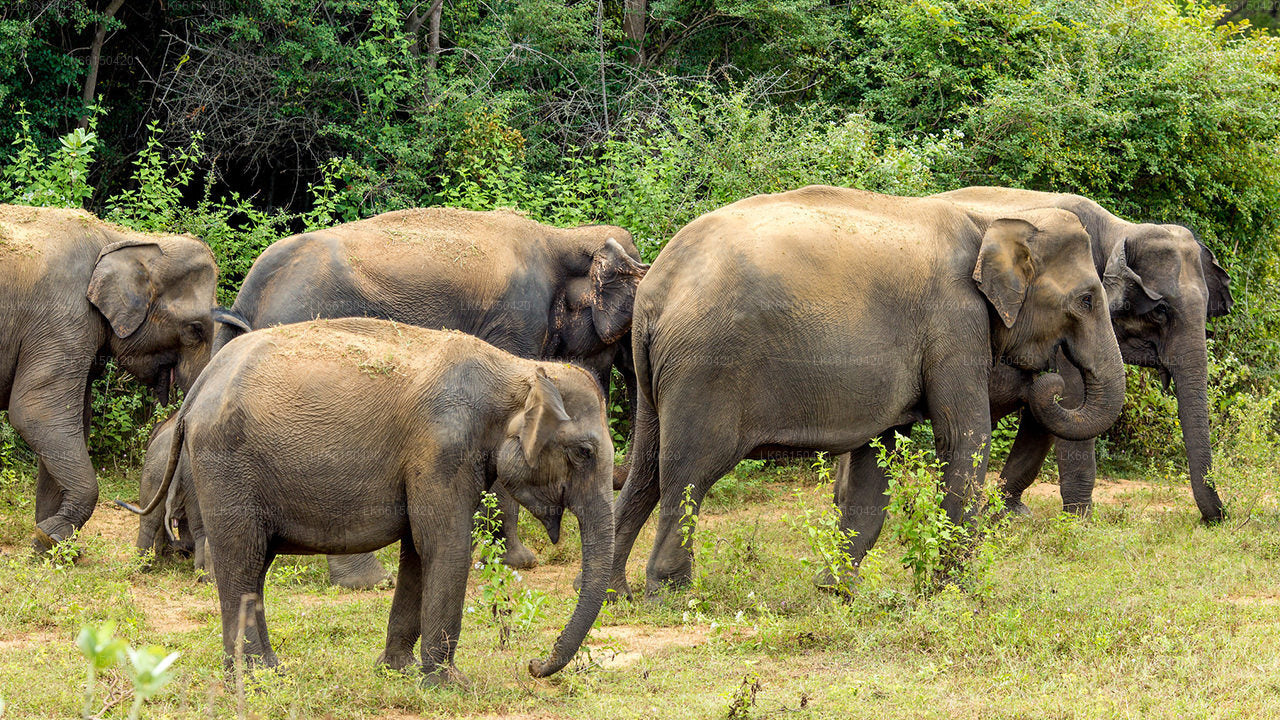
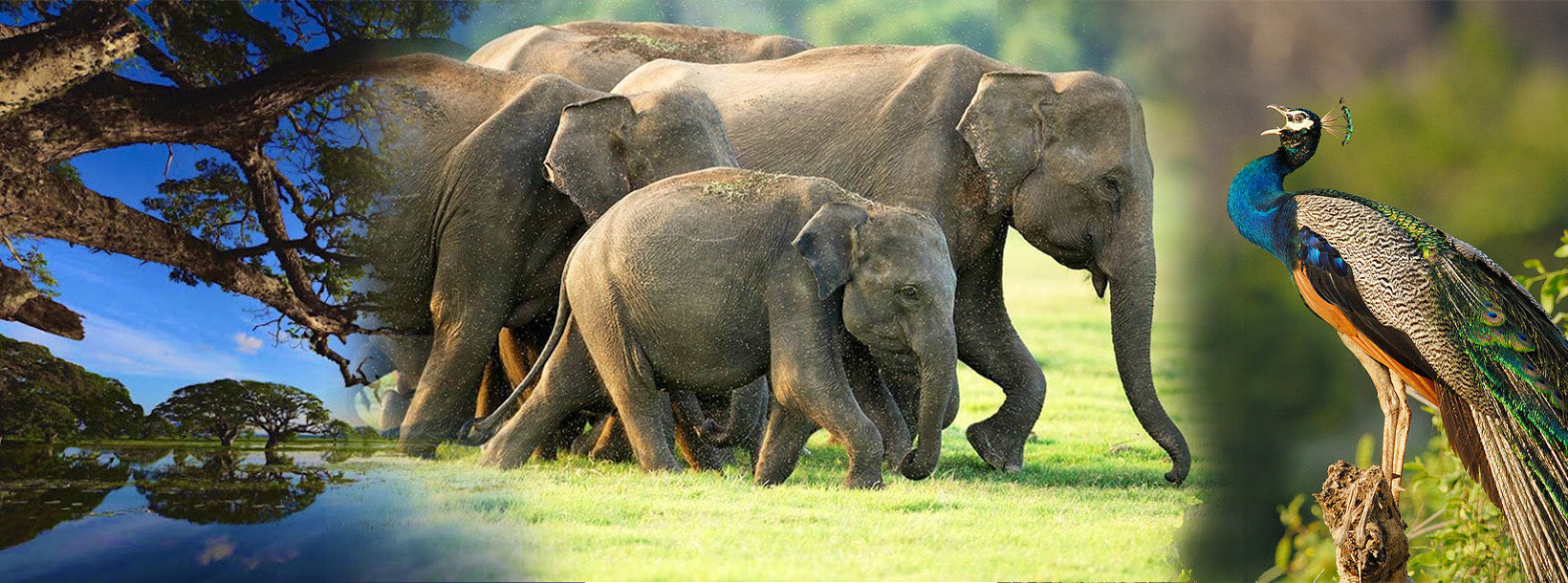
  • Udawalawe National Park — one of Sri Lanka's premier elephant-watching destinations, roughly an hour's drive from Hambantota. The Udawalawe National Park is also home to the Elephant Transit Home, a rehabilitation centre for orphaned calves.
  • Bundala National Park — a Ramsar-listed wetland reserve near Hambantota, noted for migratory waterbirds including flamingos during the northern winter.
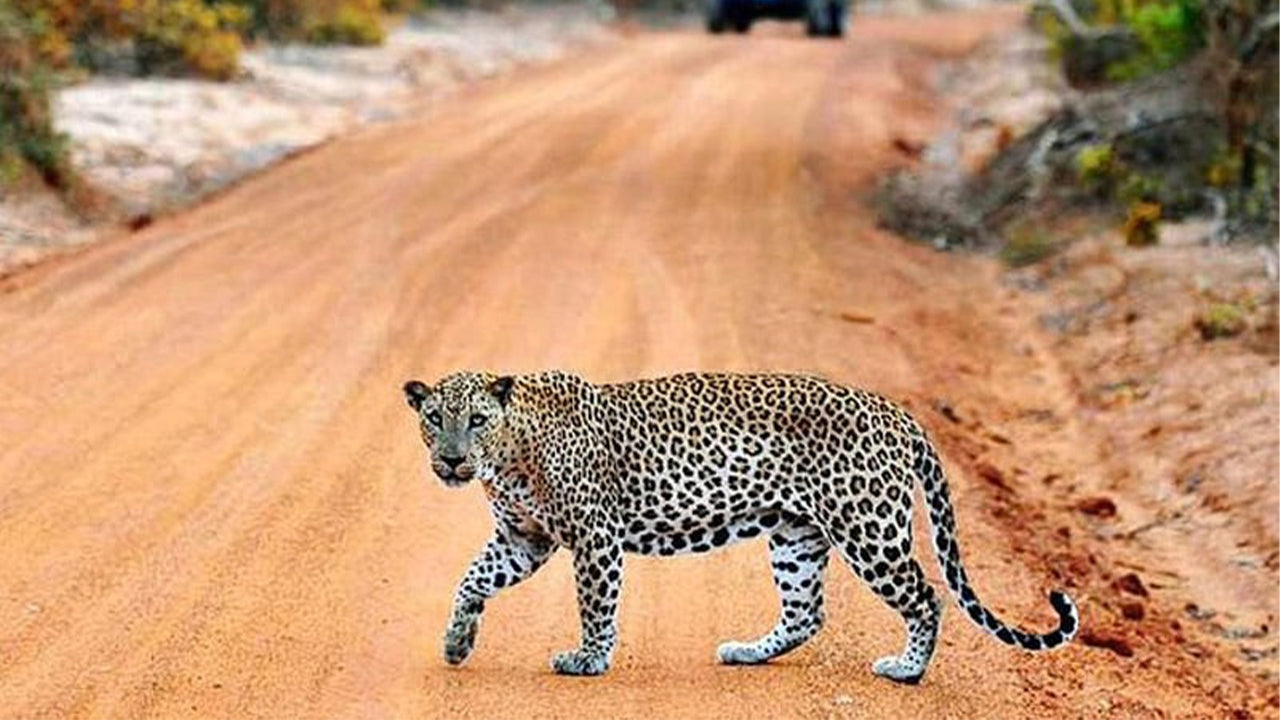
  • Yala National Park — Sri Lanka's most visited wildlife reserve, famous for its high density of leopards, lies roughly 90 km east of the stadium.
  • Hambantota Port — a newly developed deep-water port that illustrates the rapid transformation of this coastal district.
  • Mulkirigala Rock Temple — an ancient cave temple complex carved into a rock outcrop, located north-west of Hambantota.

The combination of a cricket venue, wildlife parks, beaches, and archaeological sites makes the Hambantota area one of the more versatile bases in the south of the island.

When do international matches take place at the stadium?

The fixture schedule at Sooriyawewa varies from season to season and depends on tours arranged by Sri Lanka Cricket. The ground has hosted international matches intermittently rather than on a fixed annual calendar, so prospective visitors should check Sri Lanka Cricket's official website for current scheduling before planning a trip around a specific match. Domestic and franchise cricket fixtures are held more regularly and can be a lower-key but equally enjoyable way to experience the ground.

Is the Hambantota stadium open to visitors outside match days?

On non-match days, public access to the playing arena itself is typically restricted. However, the surrounding precinct is accessible, and the sight of the floodlit structure against the flat coastal landscape of Hambantota is striking even from outside. Visitors with a specific interest in the ground are advised to contact Sri Lanka Cricket or the stadium management in advance to enquire about guided access or scheduled events.

How does the stadium compare with other international grounds in Sri Lanka?

Stadium Location Approximate Capacity Year Opened
R. Premadasa Stadium Colombo ~35,000 1986
Mahinda Rajapaksa International Cricket Stadium Hambantota ~35,000 2011
Pallekele International Cricket Stadium Kandy ~35,000 2009
Galle International Stadium Galle ~35,000 1927 (rebuilt)

Each of Sri Lanka's international grounds has a distinct character. The Hambantota stadium's modern infrastructure contrasts with the colonial-era charm of the Galle International Stadium, which is overlooked by a 17th-century Dutch fort and is widely regarded as one of the most scenic Test venues in world cricket.

Practical information for visitors

  • Location: Sooriyawewa, Hambantota District, Southern Province, Sri Lanka
  • Capacity: approximately 35,000
  • Floodlights: yes, capable of hosting day-night matches
  • Nearest expressway exit: Mattala / Hambantota interchange on the Southern Expressway
  • Ground curator: Ravi Dissanayake

Book this experience with Lakpura

Curated by our local team. Direct booking, instant confirmation.

Ask Lakpura® Agent