Koslanda sits quietly in the Badulla District of Uva Province, perched among tea-covered ridges and mist-threaded valleys in Sri Lanka's hill country interior. It is not a busy tourist hub, which is precisely its appeal. Travellers who make the journey here find a landscape of rolling estates, dramatic escarpments, and easy access to some of the island's most rewarding natural and cultural attractions — all without the crowds that gather in Ella or Nuwara Eliya.
Where is Koslanda and how do I get there?
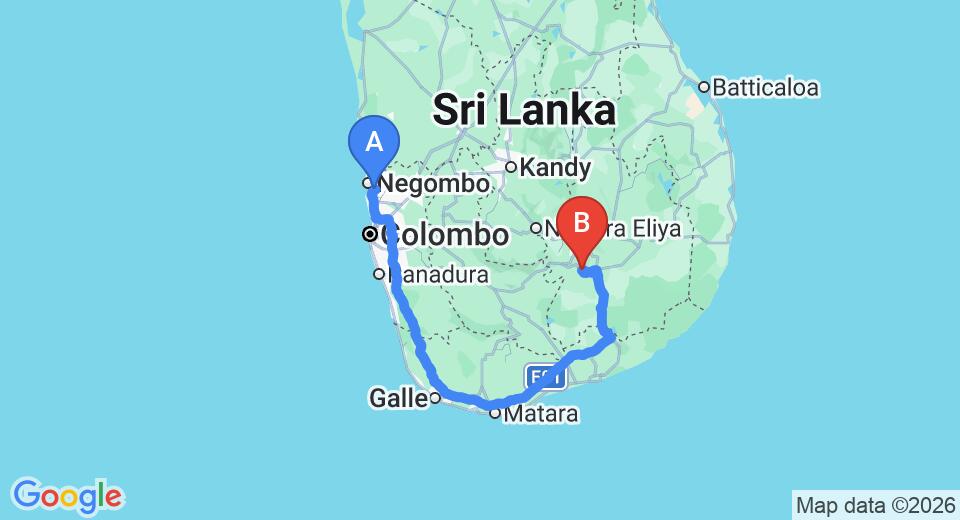
Koslanda lies within Badulla District, roughly midway between Haputale and Badulla town along the hill-country road network. The nearest major rail junction is Haputale, served by trains running between Colombo Fort and Badulla on the celebrated hill-country line. From Haputale, Koslanda is reachable by road in under an hour, depending on conditions. Travelling from Colombo by road typically takes around five to six hours via the A4 or A5 highways through the central highlands. A private transfer is the most comfortable option for this route, particularly for families or those arriving with luggage from Bandaranaike International Airport.
What makes Koslanda worth visiting?
The area's character is shaped by altitude and agriculture. Tea gardens blanket the surrounding slopes — Ceylon Tea from this part of Uva Province is prized for its distinctive brisk, slightly astringent flavour, a quality attributed to the cool temperatures and dry winds that sweep through during certain months. Walking through working estates at dawn, when mist clings to the rows of carefully trimmed bushes, is a genuine experience rather than a staged one.
Beyond the estates, the landscape offers several natural features worth building a day around:
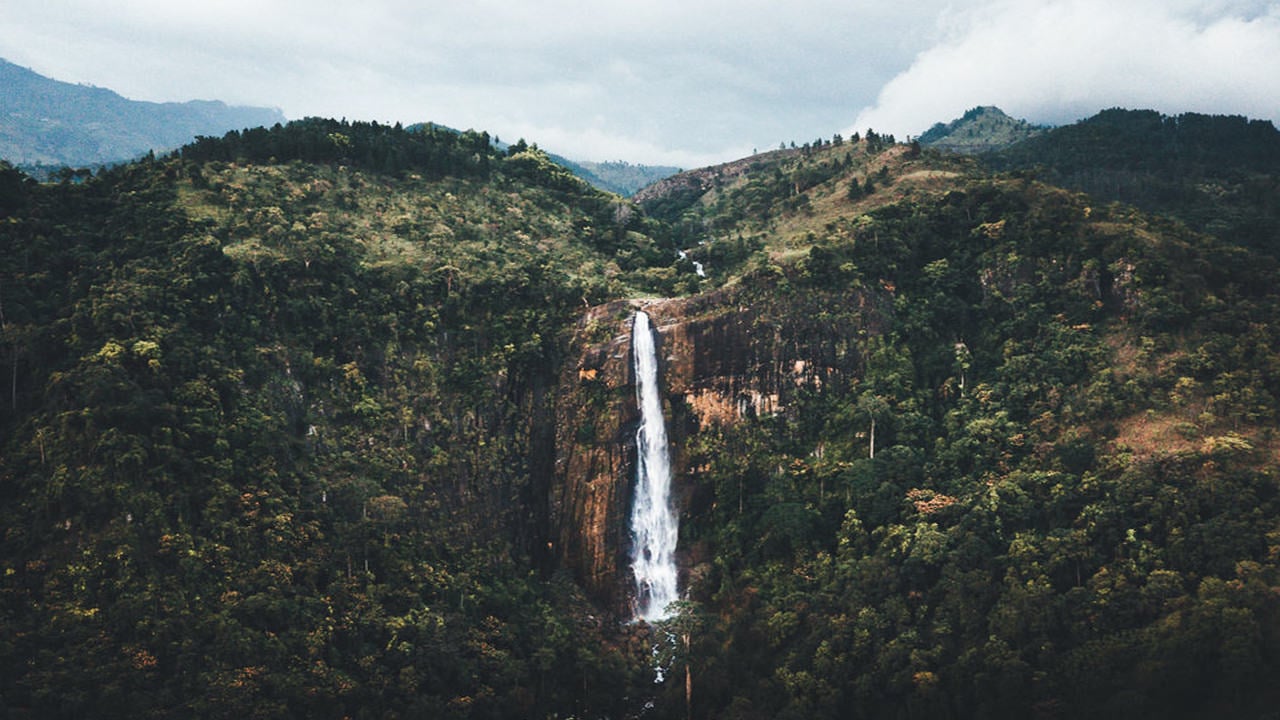
- Bambarakanda Falls — widely considered the tallest waterfall in Sri Lanka, located a short drive from Koslanda. The falls plunge into a forested ravine and are most impressive during or just after the monsoon season.
- Rawanagala — a commanding rocky outcrop associated with local legend, accessible via a moderate hike with panoramic views across the Uva basin. Rawanagala is a rewarding half-day excursion for those with some hiking experience.
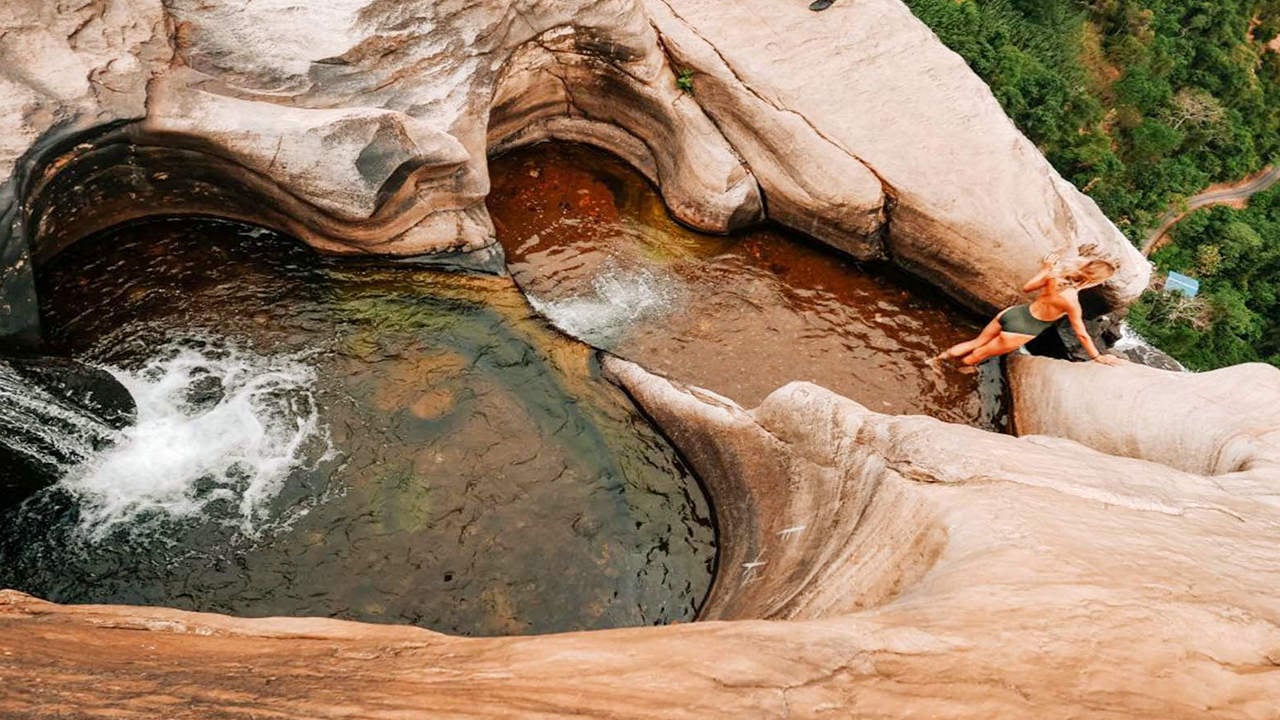
- Diyaluma Falls — one of Sri Lanka's highest cascades, roughly an hour's drive towards Wellawaya, it draws visitors for both the main fall and the natural rock pools above it.
What is Badulla District like, and what else can I see nearby?
Badulla town, the district capital, sits about 680 metres above sea level and is almost encircled by the Badulu Oya River. The town itself is modest, but its surroundings reward exploration. The Muthiyangana Raja Maha Viharaya is one of the sixteen sacred places in Sri Lanka's Buddhist tradition and draws pilgrims throughout the year. The Bogoda wooden bridge — reputedly one of the oldest surviving wooden structures in the country — spans a stream a short distance from town and is an atmospheric stop.
Dhowa Rock Temple, carved into a granite face near Badulla, contains a large unfinished standing Buddha figure and offers a glimpse of early Sinhalese craftsmanship in a quiet, largely unvisited setting. Dunhinda Falls, a powerful curtain waterfall roughly six kilometres north of Badulla town, is accessible by a forested trail and is popular with local visitors on weekends.
For those interested in wildlife, Horton Plains National Park is within reach — typically two to three hours by road depending on your starting point within the district. The park sits at over 2,000 metres and protects a montane ecosystem including the famous World's End escarpment.
What is Uva Province known for?
Uva Province is Sri Lanka's second least populated province, covering Badulla and Moneragala districts. Despite its relatively small population, it holds a disproportionate share of the island's natural wealth. The province's major waterways include the Mahaweli River — Sri Lanka's longest — and the Menik River, while the Senanayake Samudraya and Maduru Oya reservoirs are significant landmarks in the drier lowland areas to the east.
Ecotourism is the strongest draw. The province borders the Eastern, Southern, and Central provinces, which means it serves as a natural link between highland forests and lowland national parks. Udawalawe National Park, famous for its large elephant herds, is accessible from the southern edge of the province and makes for a logical extension to a Koslanda itinerary. Gal Oya National Park, partly within Uva and partly in the Eastern Province, is less visited and offers boat safaris on Senanayake Samudraya — the only national park in Sri Lanka where elephants are commonly seen swimming between islands.
When is the best time to visit Koslanda?
The hill country operates on its own weather logic, distinct from the coastal monsoon calendars. Broadly speaking, the period from January to April and again from August to September tends to offer drier, clearer conditions in Uva Province. The southwest monsoon (typically May to July) brings heavy rainfall to the western and central hills, but Uva's position on the eastern slopes means it can experience the opposite effect — relatively dry weather during the same months, a climatic anomaly that contributes to the character of Uva tea. Mornings are almost always clearer than afternoons at this altitude, so plan outdoor activities for the earlier part of the day.
How should I plan a multi-day itinerary around Koslanda?
Koslanda works well as a two- to three-night base in a broader hill-country circuit. A practical sequence might run Colombo — Kandy — Ella — Koslanda or Haputale — before descending towards the southern coast or looping back via Nuwara Eliya. The train journey along the hill-country line between Ella and Haputale is one of the most photographed rail routes in Asia and is worth timing into the schedule at least one-way.
Day trips from a Koslanda base could include:
- Bambarakanda Falls and a walk through a working tea estate in the morning.
- A visit to Horton Plains for the World's End walk, starting early to beat cloud cover.
- A drive to Badulla town covering Dhowa Rock Temple, Bogoda Bridge, and Dunhinda Falls.
- An afternoon at Rawanagala for sunset views over the Uva plains.
For those continuing south, Ella is within easy reach and provides a livelier base with a wider choice of restaurants and cafes, though Koslanda itself offers considerably more solitude.
What kind of accommodation is available in Koslanda?
Koslanda has attracted a small number of boutique and heritage properties that take advantage of the elevated setting and estate landscapes. These tend to emphasise privacy, views, and a slower pace — well suited to travellers who prefer an immersive hill-country experience over a hotel in a busy town. Standards vary, and it is worth checking recent guest feedback before booking, particularly for smaller guesthouses where service can be inconsistent. A private transfer arranged in advance is strongly advisable given the winding mountain roads and limited public transport options at night.