Lakpura
Lakpura®

Halpewatte Tea Factory

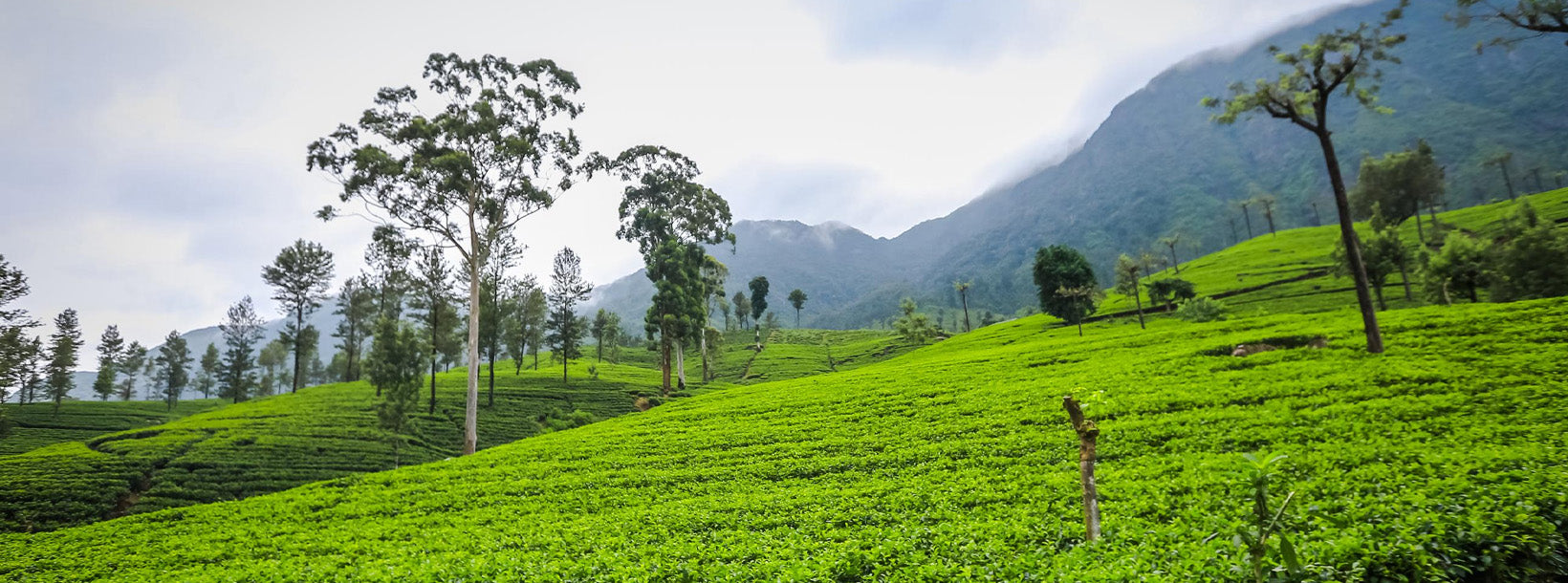
Nestled among the rolling tea slopes above Ella, Halpewatte Tea Factory is one of the few working factories in the Uva highlands where visitors can follow a fresh tea leaf from plucking table to finished grade in a single visit. It is not a curated museum replica — the machinery runs daily, and the smell of warm, oxidising leaf fills every corridor.

What makes Halpewatte Tea Factory worth visiting?

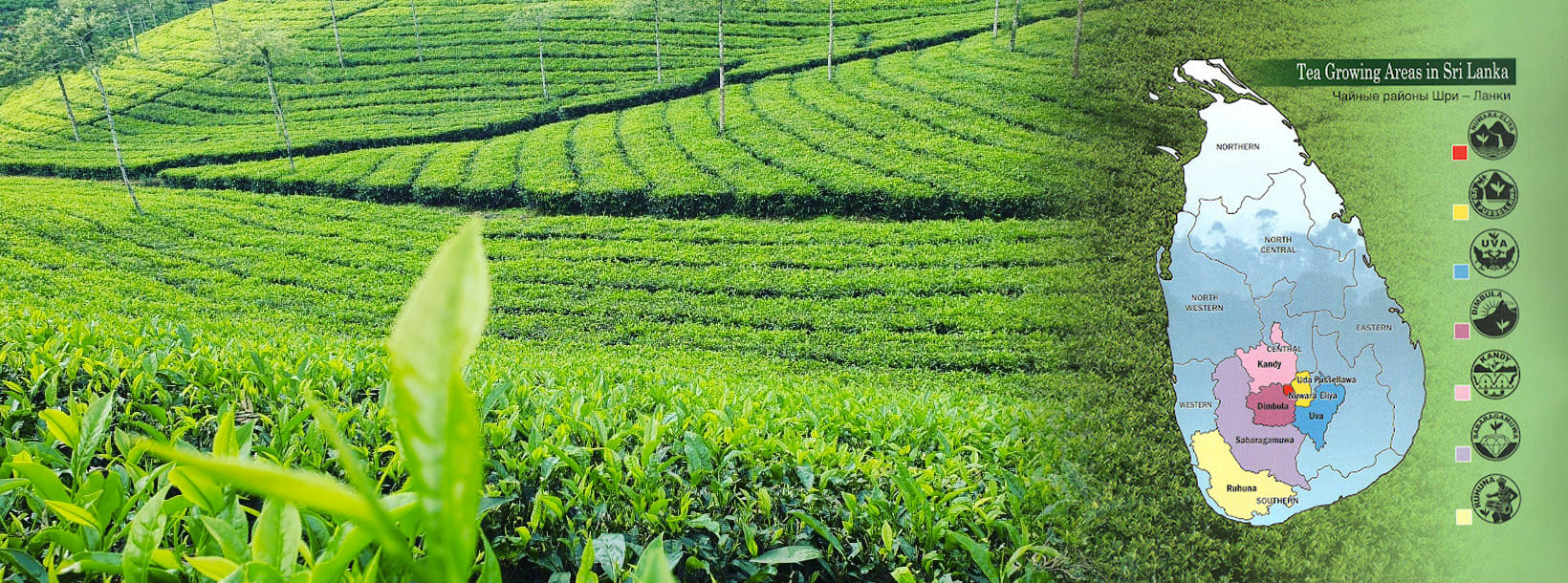
Halpewatte produces high-grown Ceylon tea at an elevation that intensifies flavour. The cool nights and misty mornings of the Uva region slow leaf growth, concentrating the essential oils responsible for the brisk, slightly menthol character that has made Uva teas a consistent presence at the Colombo Tea Auction. The factory handles black, green, and white tea grades, so a single tour covers the full spectrum of processing techniques.

Unlike some larger factory attractions that feel hurried, Halpewatte keeps group sizes modest enough that guides can explain each stage without raising their voice above the machinery. That pacing makes the experience useful rather than merely photogenic.

What happens during a guided factory tour?

Tours typically begin at the withering loft, where freshly plucked leaves are spread across long wire troughs and exposed to warm air for up to 18 hours. This step reduces the leaf's moisture content and softens the cell walls, preparing them for the next stage.

  • Rolling — Leaves pass through rollers that twist and bruise them, releasing enzymes and beginning oxidation. The degree of rolling influences whether the tea will be a full-bodied BOP grade or a finer BOPF.
  • Oxidation (fermentation) — Rolled leaf is spread on trays in a cool, humid room and allowed to oxidise. The colour shifts from green to copper, and the familiar aroma of black tea begins to develop.
  • Drying — Oxidised leaf passes through a dryer at high temperature, halting oxidation and dropping moisture to around 3 percent. This is the step that locks in flavour.
  • Grading and sorting — Dried tea moves through a series of sieves and winnowers that separate leaf by particle size into recognisable grades: OP, BOP, BOPF, Dust, and so on.

Green and white teas follow an abbreviated path — withering and drying only, with no oxidation — which is why guides often demonstrate these alongside the black-tea line to make the contrast clear.

What can you expect at the tea-tasting session?

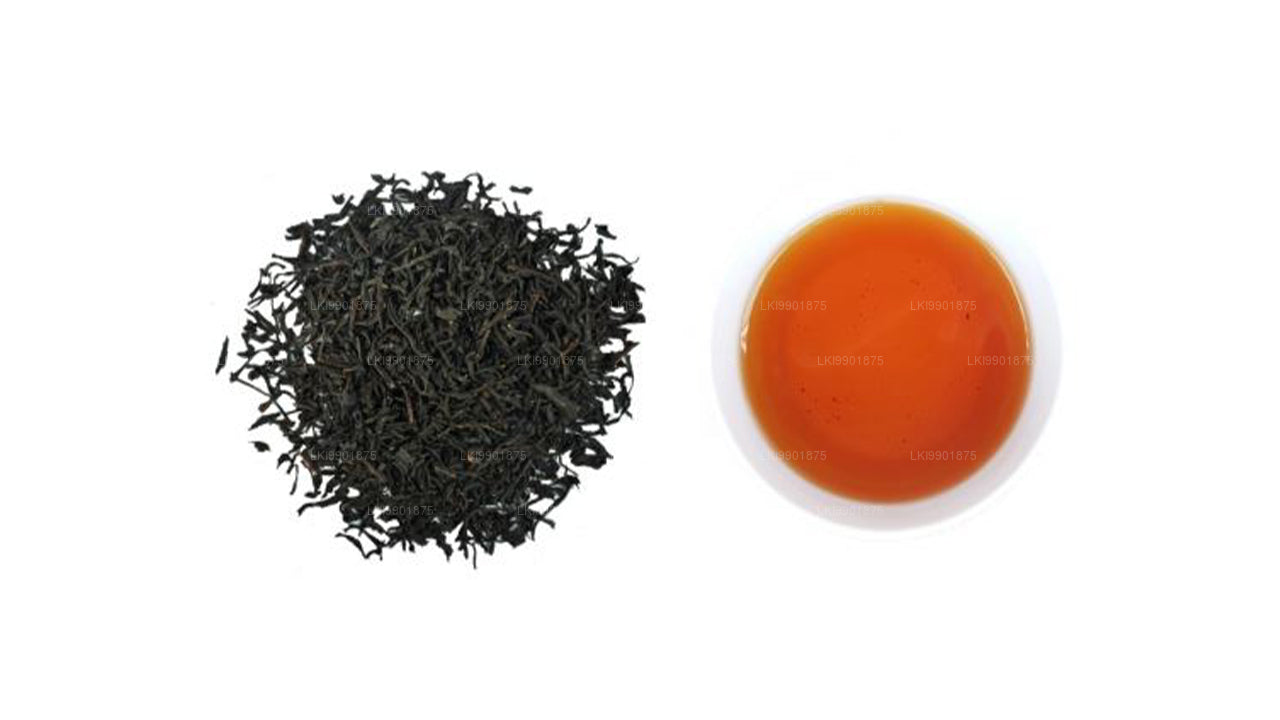
Every tour ends in the tasting room, where factory staff brew cups at standardised strength — typically 2.8 g per 100 ml, brewed for exactly four minutes, the method used at professional cupping sessions. Visitors are encouraged to taste side by side: a BOP1 grade against an OP against a white tea, ideally without milk first to appreciate the leaf character before moderating it.

Lakpura offers the Bluefield Tea Gardens as a complementary Ella tea experience if you want to pair a factory tour with a walk through active plantation rows. The two visits work well on the same afternoon.

Teas produced at Halpewatte are available for purchase at the end of the tour. The single-estate BOP1 grade, in particular, ships reliably and makes a more considered souvenir than blended supermarket Ceylon tea.

How do you get to Halpewatte Tea Factory from Ella?

The factory sits roughly 3–4 km from Ella town, on the road toward Bandarawela. The approach is steep enough that a tuk-tuk or car is more practical than walking, particularly in wet weather when the road surface becomes slippery. Most guesthouses in Ella can arrange a driver for the short transfer. Lakpura's private guided tour from Ella includes return transport, so logistics are handled from the outset.

If you are travelling from Nuwara Eliya, the factory is conveniently positioned along the A16 route that connects the two hill towns, making it a natural stop rather than a dedicated detour.

When is the best time to visit Halpewatte Tea Factory?

The factory operates year-round, but production is busiest between July and September, which coincides with the Uva season — the period when dry winds from the south-west create the conditions for the distinctive Uva flavour quality. Visiting during this window means the machinery is running at full capacity and the grading tables are active, giving the tour maximum visual depth.

Avoid arriving in the early afternoon during peak tourist months (December to March), when tour groups from nearby resorts tend to converge. A morning visit typically means quieter corridors and more attentive guiding.

PeriodFactory activityCrowd level
July – September (Uva season)Peak productionModerate
December – MarchSteady productionHigher (peak tourist season)
April – JuneModerate productionLower

What else is worth combining with a visit to Halpewatte?

Ella itself is compact but well-stocked with walks and viewpoints. The trail to Little Adam's Peak takes around 45 minutes from town and rewards walkers with an unbroken panorama of plantation-covered ridges. Hakgedi Ella Waterfall is a short detour suitable for the same half-day. Hikers who want longer terrain can look toward Horton Plains National Park, about an hour's drive west, for montane grasslands and the World's End escarpment.

For wildlife, Udawalawe National Park lies around 1.5 hours south of Ella by road and is one of Sri Lanka's most reliable venues for elephant sightings — a natural extension if you are heading toward the coast after your hill-country stay.

Practical visitor information

  • Location: Halpewatte Road, near Ella, Badulla District, Uva Province
  • Tour duration: Typically 45–60 minutes including tasting
  • Languages: English-language guides available; Tamil and Sinhala on request
  • Photography: Generally permitted in the production areas; confirm with your guide on arrival
  • Footwear: Closed shoes recommended — factory floors are industrial surfaces
  • Accessibility: The factory involves stairways between levels; not fully accessible for mobility-impaired visitors

Book this experience with Lakpura

Curated by our local team. Direct booking, instant confirmation.

Ask Lakpura® Agent