Sri Lanka's Cultural Triangle is the heartland of an island civilisation that flourished for more than two millennia. Anchored by the ancient cities of Anuradhapura and Polonnaruwa in the north-central plains, and reaching south to the Kandyan highlands, the triangle encompasses five UNESCO World Heritage Sites within a few hours' drive of one another. For travellers who want to understand how a small island came to produce some of the ancient world's most sophisticated urban planning, hydraulic engineering, and Buddhist art, this region is unmatched in South Asia.
What exactly is the Cultural Triangle?
The term refers to the roughly triangular area formed by the cities of Anuradhapura, Polonnaruwa, and Kandy — three successive capitals of Sri Lankan kingdoms spanning more than 2,000 years. Within this zone, and closely associated with it, lie the rock fortress of Sigiriya and the cave-temple complex at Dambulla. The surrounding landscape, historically called Rajarata (King's Land), is characterised by dry-zone shrub forests, ancient reservoirs called wewas, and isolated granite outcrops that early monks and kings shaped into temples, palaces, and places of meditation.
The UNESCO designation covers each of the five principal sites individually, but visiting them as a connected circuit reveals the deeper story: how Buddhism, kingship, and an extraordinary mastery of water management sustained one of the ancient world's great civilisations.
What are the key sites inside the Cultural Triangle?
Anuradhapura
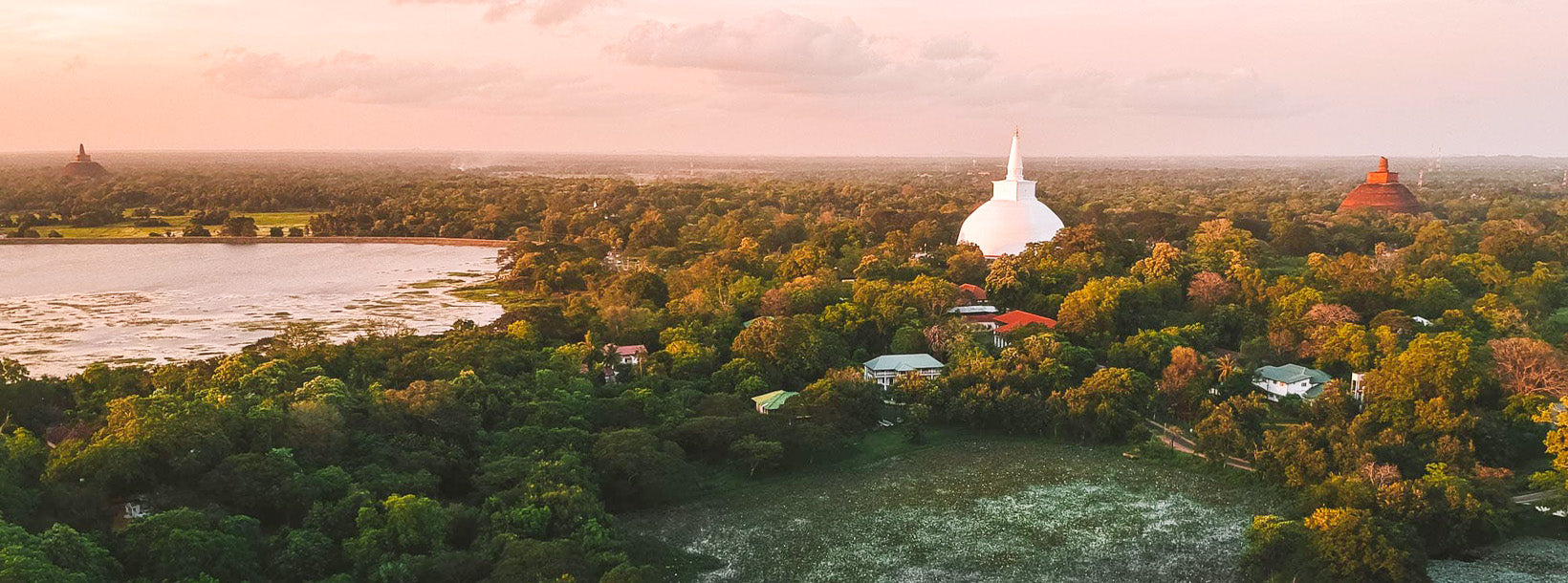
Founded around 380 BC, Anuradhapura served as Sri Lanka's first capital for more than a thousand years. It is among the oldest continuously inhabited cities in the world and the most sacred city of Theravada Buddhism outside India. Pilgrims come year-round to venerate the Atamasthana — the Eight Great Places — which include the Jaya Sri Maha Bodhi (grown from a sapling of the original Bodhi tree under which the Buddha attained enlightenment), the Ruwanwelisaya dagoba, Thuparamaya, Jetawanarama, Abhayagiri Dagaba, Lovamahapaya, Mirisaveti Stupa, and Lankarama.
Beyond its religious monuments, the city preserves the ruins of royal palaces, bathing pools such as Kuttam Pokuna, and the rock temple of Isurumuniya — evidence of a court culture that matched its spiritual ambitions. The ancient irrigation network, a lattice of canals, sluices, and vast man-made lakes, transformed the dry plains into productive farmland and is recognised by engineers today as one of antiquity's great achievements.
Polonnaruwa
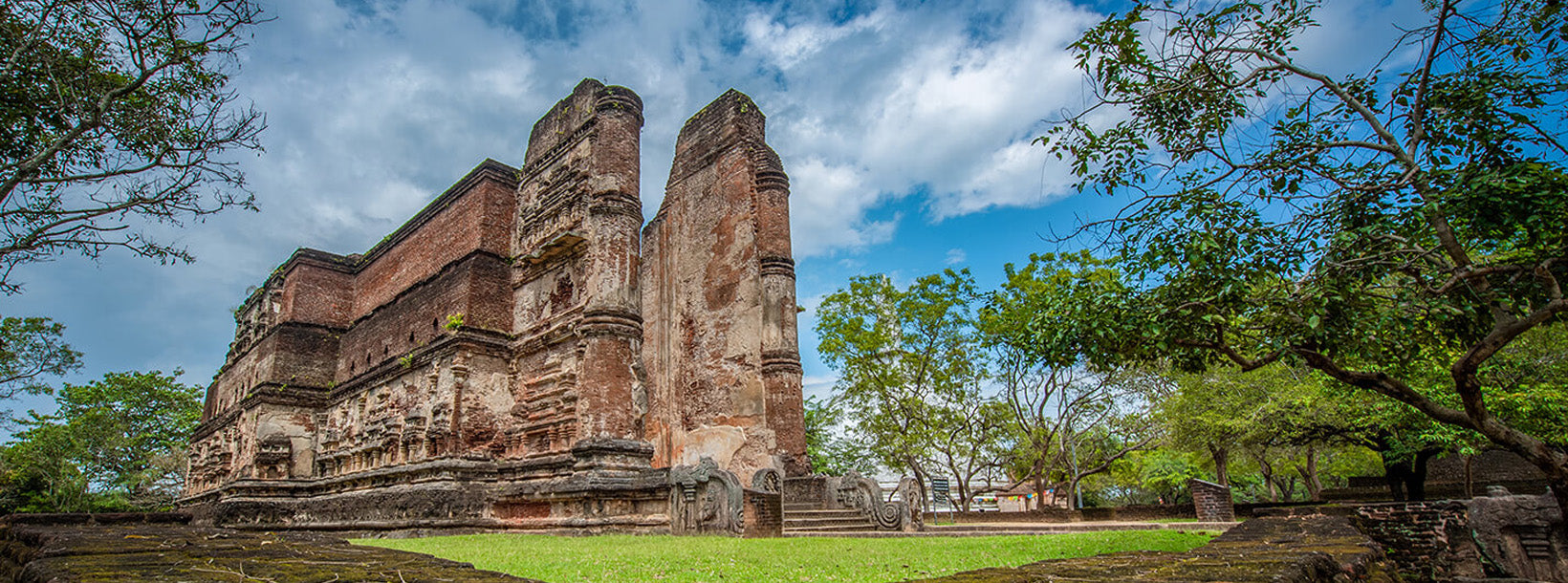
After Anuradhapura fell to the Chola invaders from southern India, King Vijayabahu I recaptured the island and established Polonnaruwa as the new capital in 1070 AD. The city reached its zenith under King Parakramabahu I, whose reign in the 12th century produced the massive Parakrama Samudra reservoir — still in agricultural use today — and a building programme that left behind some of the finest medieval monuments in Asia.
Highlights include the Gal Viharaya, a row of colossal rock-cut Buddha statues carved from a single granite face; the circular Polonnaruwa Vatadage, a relic shrine of refined geometric elegance; the Rankoth Vehera stupa; and the standing statue traditionally identified as King Parakramabahu himself. The site is also home to a large population of toque macaques — the subject of the BBC/Disneynature documentary Monkey Kingdom.
Sigiriya
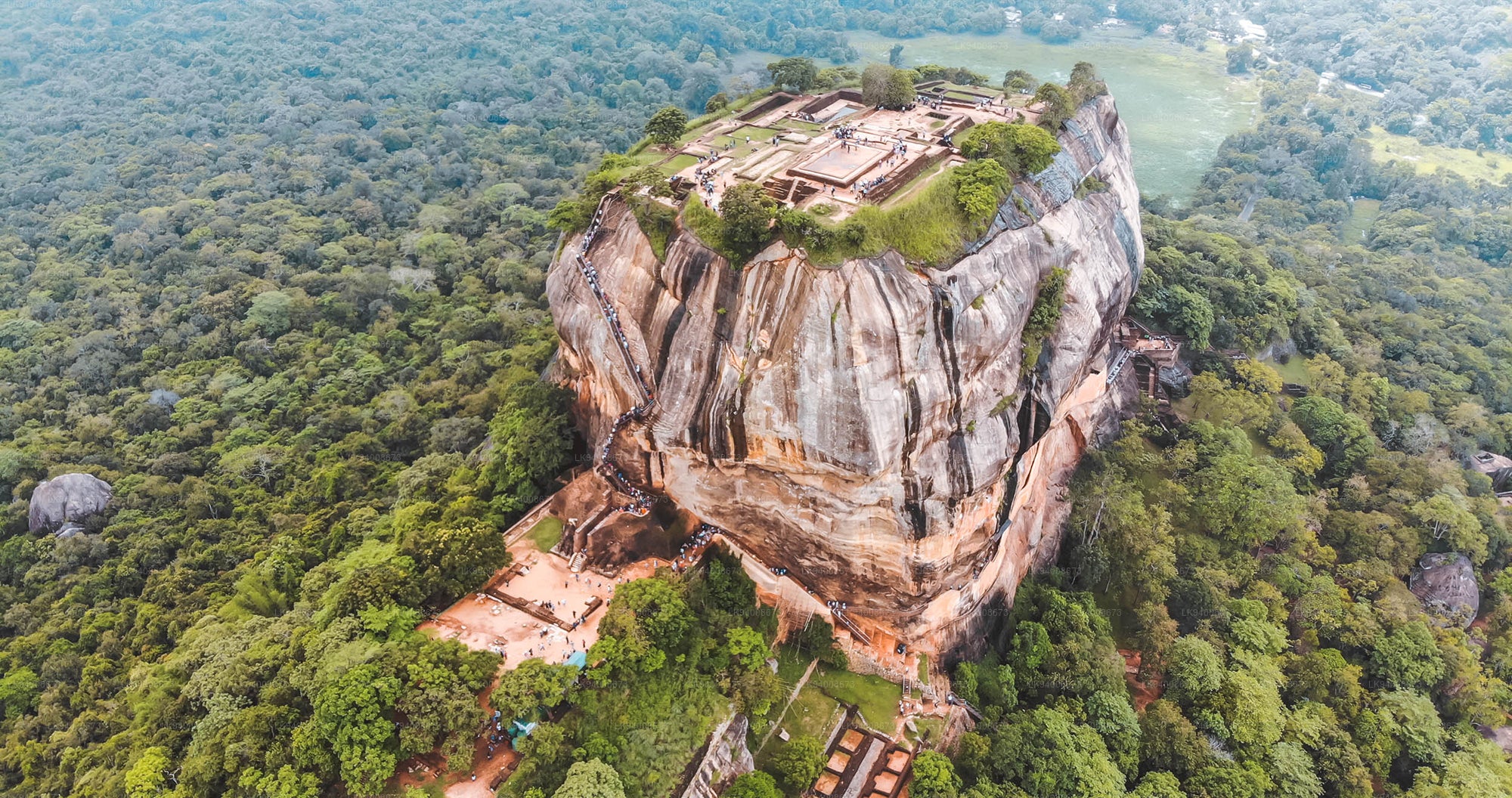
Rising 200 metres above the surrounding forest, the rock fortress of Sigiriya is arguably the most dramatic single monument in Sri Lanka. Built by King Kashyapa I in the 5th century AD, it combines a fortified palace on the summit with elaborate water gardens at the base, mirror-polished plaster walls, and the celebrated frescoes of celestial maidens — among the oldest surviving secular paintings in the world. Sigiriya is listed among the eight wonders of Asia by the Smithsonian Institution.
Dambulla Cave Temple
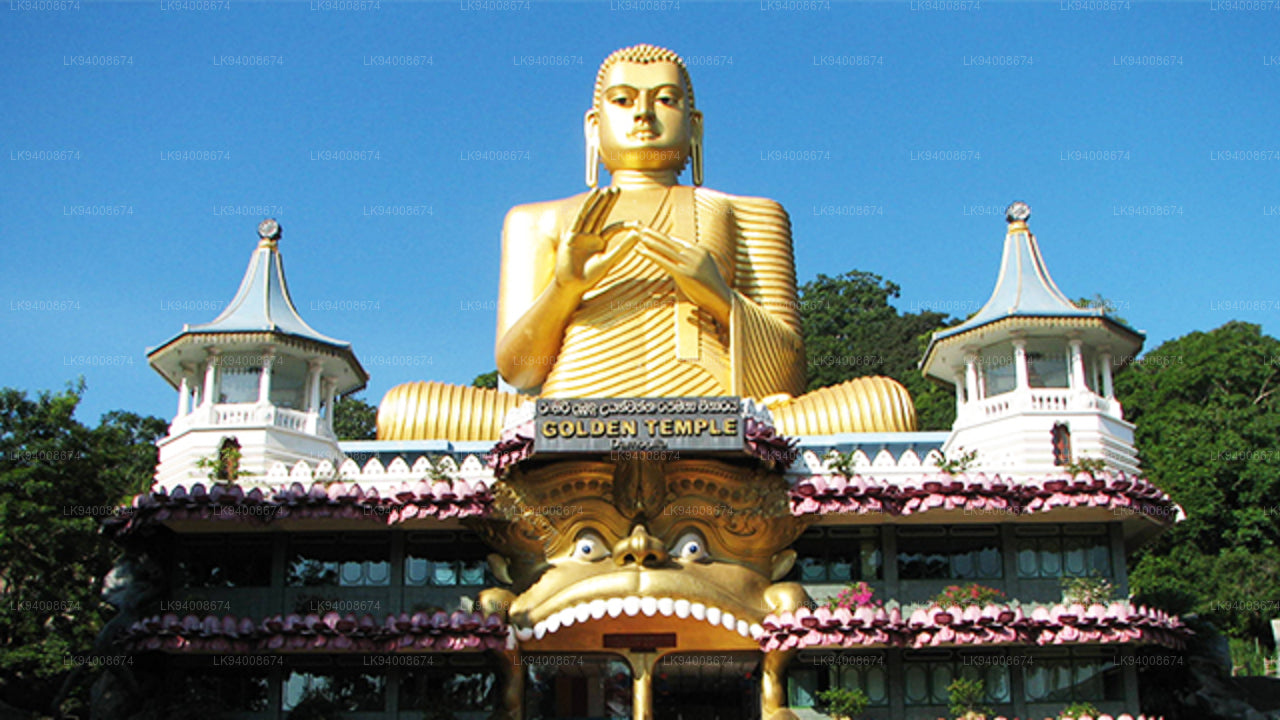
Carved into a massive granite outcrop approximately 30 km south of Sigiriya, the Dambulla Royal Cave Temple has been a place of worship for over 2,000 years. Its five caves shelter more than 150 Buddha statues and some 2,100 square metres of painted murals spanning multiple periods of Sri Lankan history. The site remains an active place of worship as well as a UNESCO World Heritage monument.
Kandy
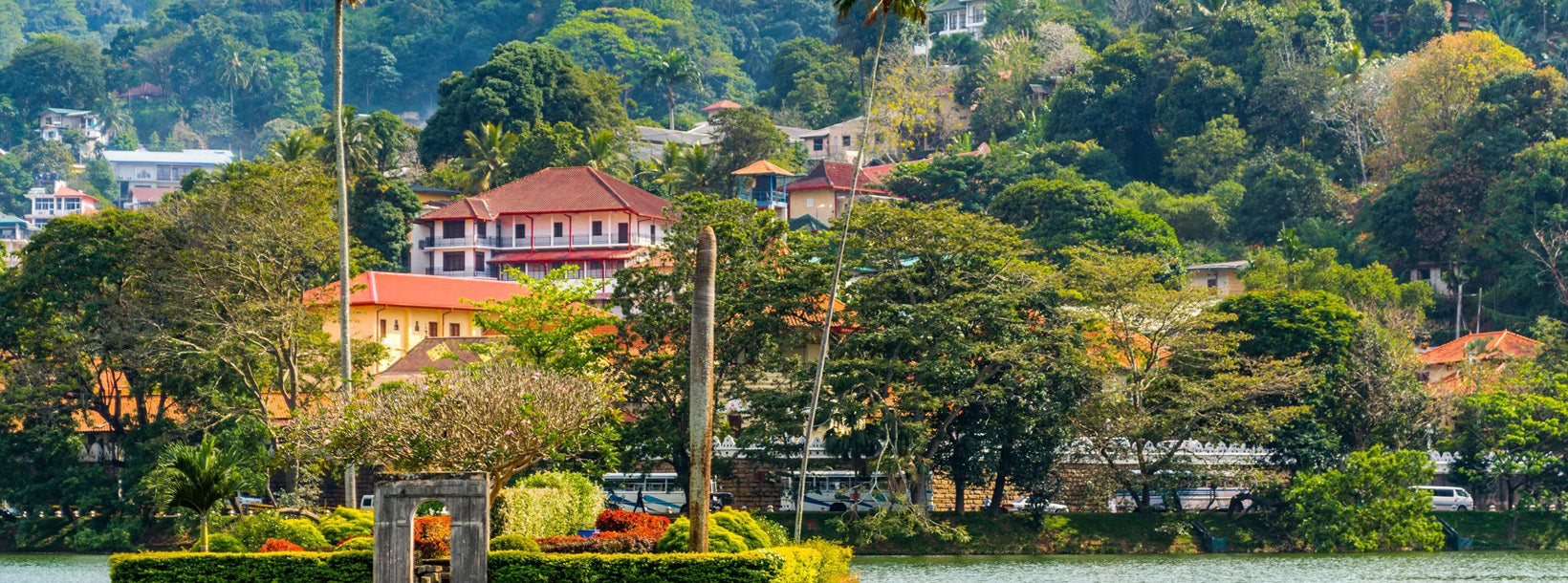
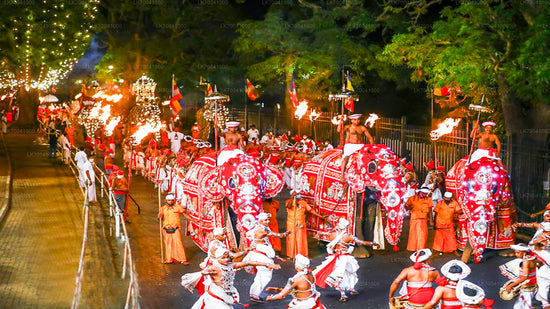
The southernmost point of the triangle, Kandy was the last capital of the Kandyan Kingdom and the last to fall to British colonial rule, in 1815. Today it is home to the Temple of the Tooth Relic (Sri Dalada Maligawa), which houses what is venerated as the Buddha's tooth and draws millions of pilgrims annually. The city sits in a bowl of forested hills around an artificial lake created by the last Kandyan king, Sri Wickrama Rajasinha. Each August, Kandy stages the Esala Perahera, one of Asia's grandest religious processions, featuring elaborately costumed elephants, drummers, fire dancers, and Kandyan dancers over ten nights.
Visitors who want a deeper orientation to the city before exploring the heritage sites will find the Kandy Tourist Information Center a practical first stop.
What else can you experience in the Cultural Triangle region?
The area's appeal extends well beyond its famous monuments. The dry-zone forests that surround Anuradhapura are part of Wilpattu National Park, Sri Lanka's largest national park and one of the best places on the island to observe leopards in natural habitat. Village life in the surrounding settlements gives a glimpse of an agricultural tradition — ancient tank-fed paddy cultivation — that has changed little in its essentials for centuries.
For travellers who enjoy unusual perspectives, hot-air ballooning over the Sigiriya–Dambulla plain at dawn is one of the most memorable ways to appreciate the scale of the ancient landscape — the reservoirs, forest canopy, and the rock itself visible from a single vantage point.
Those travelling through the region by road will notice the prevalence of stupas at every scale, from great whitewashed dagobas rising above the tree line to modest roadside shrines. Understanding their symbolism — the hemisphere representing the dome of heaven, the spire the axis of the universe — adds considerably to any visit.
When is the best time to visit the Cultural Triangle?
The north-central dry zone experiences two distinct seasons. The most comfortable period for sightseeing runs from roughly December through April, when skies are clear, temperatures are warm rather than extreme, and road conditions are reliable. May through September brings the south-west monsoon to other parts of Sri Lanka but leaves much of the Cultural Triangle relatively dry, making it a viable year-round destination.
July and August coincide with Esala Perahera in Kandy, which is worth planning around if your schedule allows — though accommodation in Kandy at this time should be booked well in advance. The Poson Poya full-moon festival in June draws particularly large crowds to Anuradhapura and nearby Mihintale (the hilltop where Buddhism was first preached in Sri Lanka).
How do I get around the Cultural Triangle?
The five main sites are spread across an area roughly 150 km from north (Anuradhapura) to south (Kandy), with Polonnaruwa to the east and Sigiriya and Dambulla in the centre. A private vehicle with a knowledgeable driver-guide is by far the most efficient way to connect them, allowing you to set your own pace and visit smaller ancillary sites along the way.
Rail connections link Colombo to both Kandy and Anuradhapura, and the scenic route through the hill country to Kandy is one of Asia's celebrated train journeys. However, there is limited public transport between the northern and eastern triangle sites, so most independent travellers hire a vehicle for at least part of the circuit. Lakpura's taxis and private drivers can be arranged for point-to-point transfers or multi-day circuits.
Practical tips for visiting Cultural Triangle sites
- Dress code: All sites contain active religious monuments. Shoulders and knees should be covered; many temples require visitors to remove shoes before entering.
- Entry tickets: The Cultural Triangle Fund issues combined tickets for the main sites. Individual site tickets are also available. Purchase tickets at the site or through a licensed operator.
- Timing your visits: Sigiriya is best climbed in the early morning before heat and crowds build. Dambulla's caves can be uncomfortably hot by midday. Anuradhapura and Polonnaruwa are large complexes requiring at least half a day each.
- Photography: Photography is permitted at most monuments, but turning your back to a Buddha image for a photo is considered disrespectful and is prohibited at some sites.
- Wildlife awareness: Monkeys at Polonnaruwa and Sigiriya are habituated to tourists. Keep food in sealed bags and do not feed them.
How many days do I need for the Cultural Triangle?
A focused circuit covering Sigiriya, Dambulla, Polonnaruwa, and Anuradhapura — with Kandy as a base or end point — typically takes three to four days at a comfortable pace. Travellers with a week can add Mihintale, the Aukana Buddha statue, Ritigala wilderness monastery, and day excursions into the surrounding countryside. Those with more time often combine the Cultural Triangle with the south-coast beaches or the hill country, since Kandy sits naturally at the junction of all three circuits.