Bihiri Sanniya


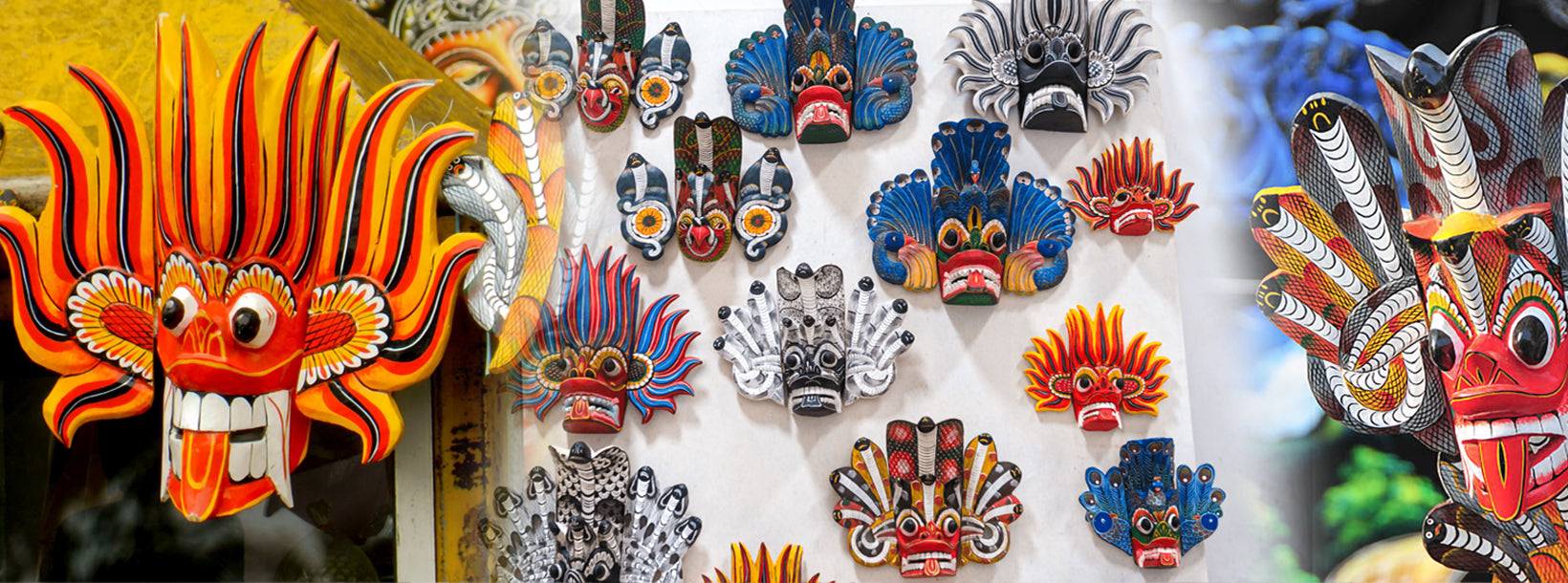
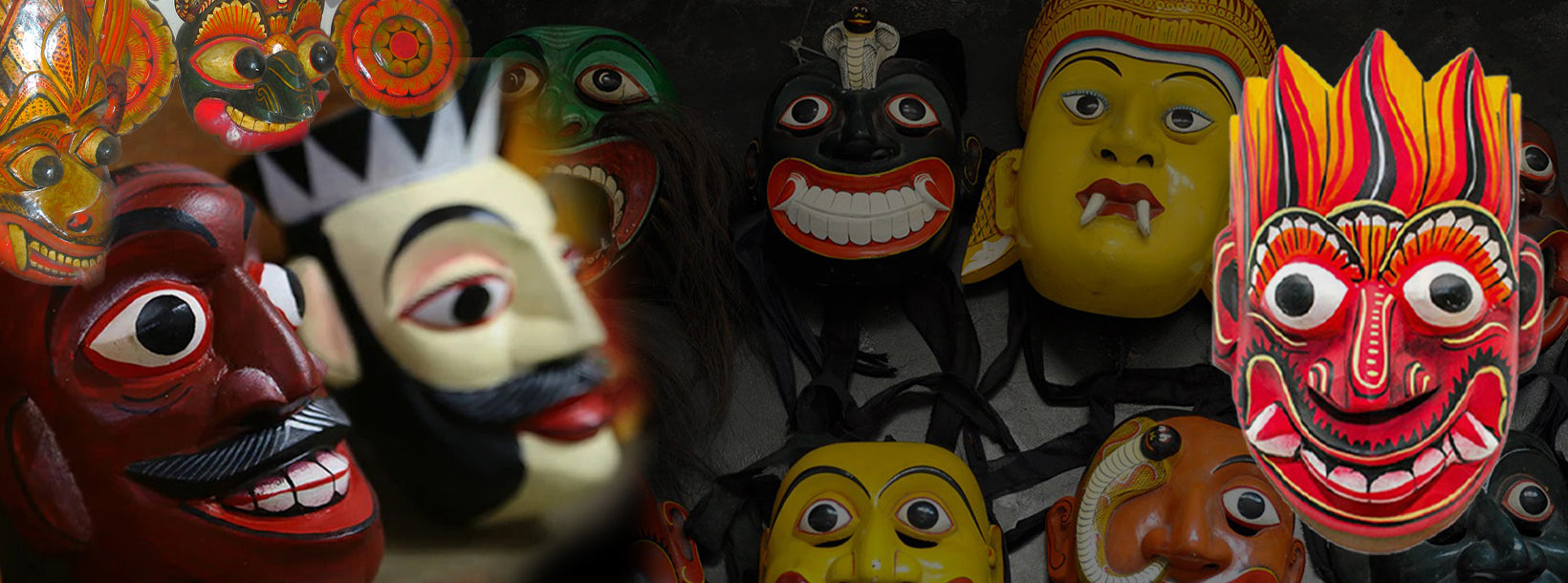
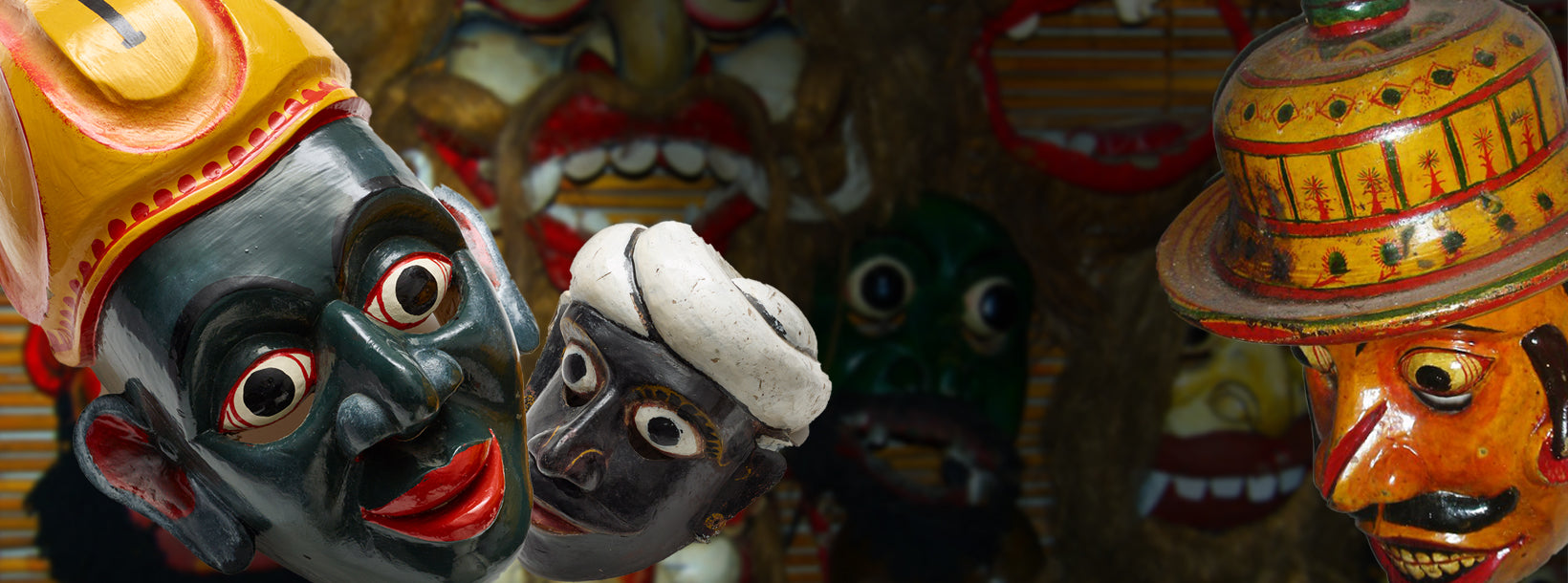
Intagliata con delicatezza nel legno di Kaduru, questa squisita creazione dà vita alle tradizionali maschere cingalesi "yaka", o maschere demoniache. Queste maschere elaborate, sebbene il loro nome suggerisca che rappresentino dei demoni, svolgono un ruolo ben più simbolico nella cultura dello Sri Lanka. Spesso utilizzate nelle danze antiche, sono presenti anche in rappresentazioni teatrali e spettacoli culturali, dove servono a raffigurare una varietà di personaggi. In alcuni casi, si crede che queste maschere allontanino gli spiriti maligni, aggiungendo un elemento di misticismo e protezione alle rappresentazioni.
Originally crafted by families in Amblangoda, a charming coastal town in southern Sri Lanka, the art of mask-making has deep roots in the island’s culture. What began as a small, familial tradition has now expanded across the entire island, with skilled artisans continuing to carve and paint these masks using techniques passed down through generations. The craftsmanship involved in each mask is a testament to the rich cultural heritage and artistic skill of Sri Lankan artisans.
Our creator not only excels in traditional mask-making but also displays great creativity by repurposing scraps of wood into functional art pieces for the home. Among these ingenious items are beautifully crafted doorstoppers and other practical creations, each reflecting the same care and skill as the masks. One of the most intriguing masks in his collection is a sanniya, traditionally associated with temporary deafness. The mask is uniquely carved with a serpent on one side, as the ancients believed the serpent to be a symbol of deafness, adding a layer of cultural symbolism to the piece.