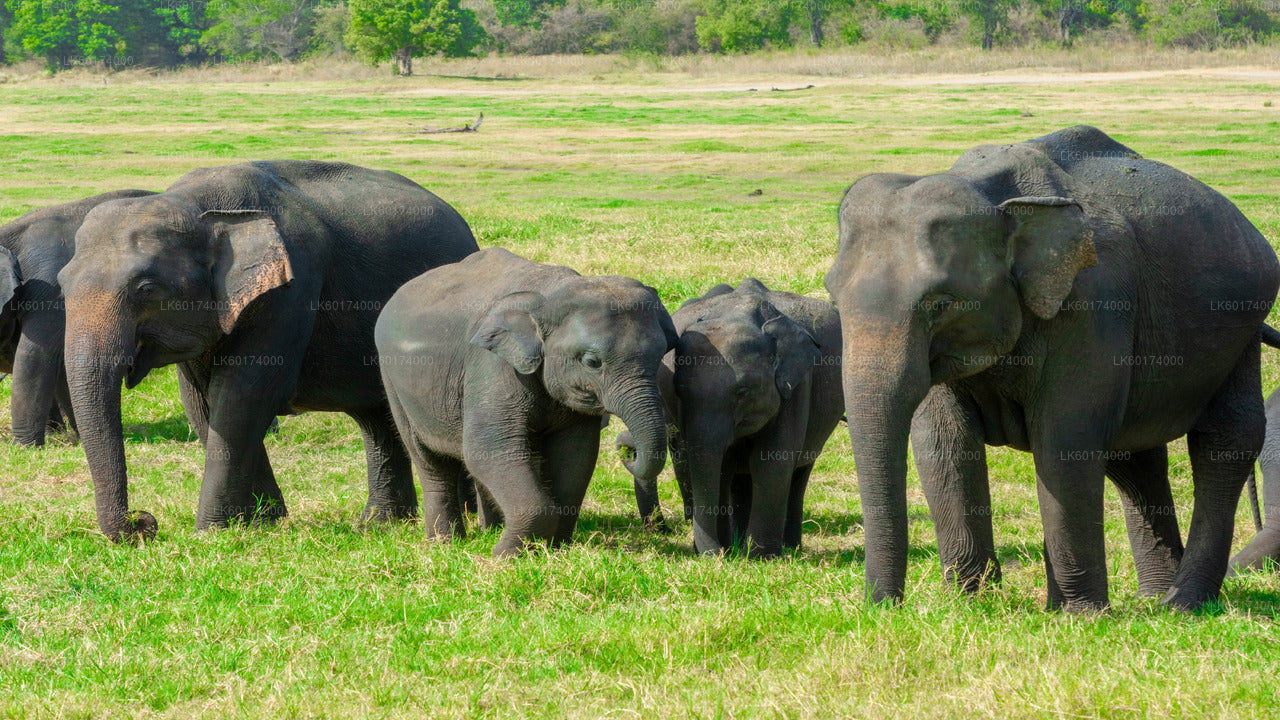
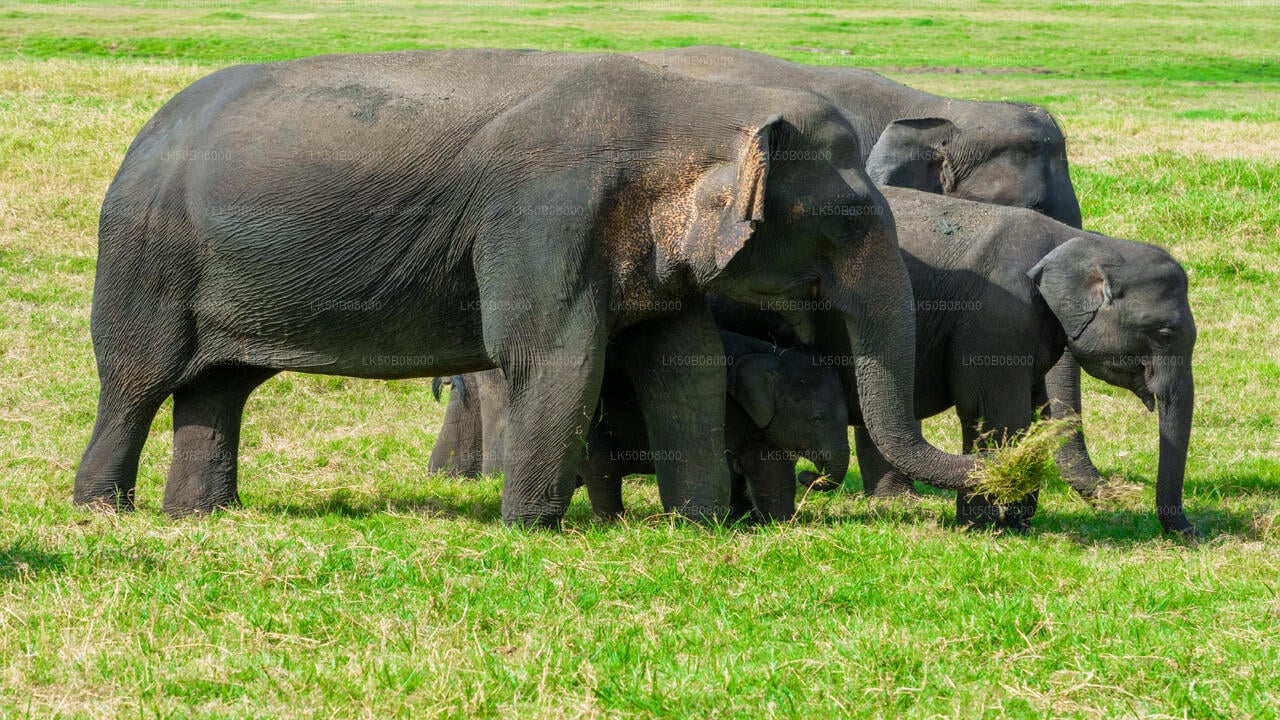
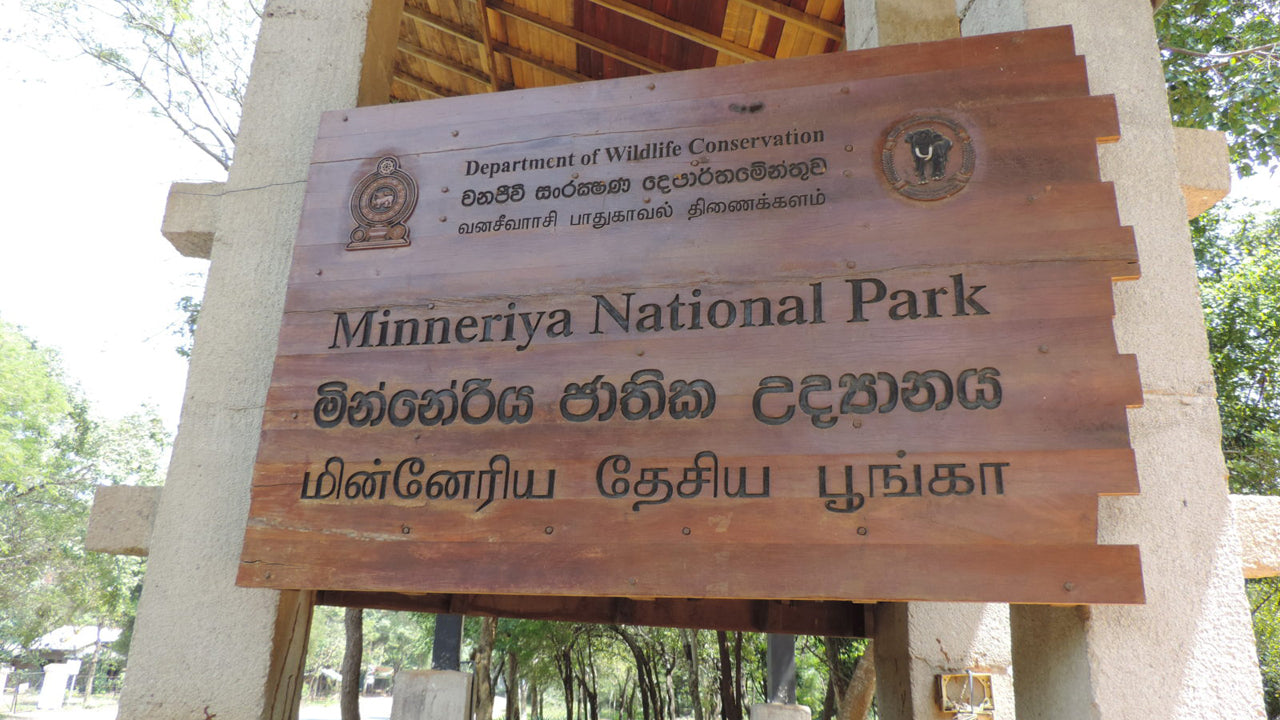
Each year, between June and September, one of the natural world's most remarkable wildlife spectacles unfolds quietly in Sri Lanka's North Central Province. Hundreds of Asian elephants converge around the Minneriya Reservoir as the surrounding tanks and waterholes recede during the dry season, creating what is widely regarded as the largest single gathering of Asian elephants on earth. For anyone with an interest in wildlife — whether a seasoned naturalist or a first-time safari-goer — the Great Elephant Gathering is a rare event that is genuinely difficult to overstate.
What is the Great Elephant Gathering?
The gathering is not a managed or staged event. It is an ecological response driven by the seasonal drying of smaller water sources across the forests of the Cultural Triangle. As water and fresh grass become scarcer, elephant herds from the surrounding forest blocks move toward the ancient Minneriya Tank — an irrigation reservoir built by King Mahasena in the 3rd century AD — where water and the lush grasses that grow along the tank margins remain abundant.
At peak season, estimates suggest anywhere from 150 to over 300 elephants can be present on the tank margins and surrounding grasslands at one time. Visitors witness interactions that would take years to observe in smaller groups: play-fighting among young bulls, mothers guiding calves into the shallows, rival males testing dominance, and large matriarchal herds moving in coordinated lines across the open plain.
When is the best time to see the Elephant Gathering?
The core season runs from June through September, with July and August typically offering the highest elephant concentrations. During this period the Minneriya Tank draws not only elephants from the park itself but also herds that travel from the adjacent Kaudulla and Eco-Park areas, all converging on the same water and grazing grounds.
October brings the northeast monsoon, which refills tanks across the region and disperses the herds back into the forest. From October onward, sightings become smaller and less predictable, though elephants remain present in the park year-round. If your travel window falls outside June–September, Kaudulla National Park — which shares the same elephant population — tends to hold good concentrations earlier in the year when its tank levels are lower.
- Peak season: July–August (largest concentrations, afternoon gatherings most dramatic)
- Early season: June (herds building, fewer crowds)
- Late season: September (still excellent, transition underway)
- Off season: October–May (elephants present but dispersed)
What time of day is best for the safari?
The late afternoon drive — typically departing around 2:30–3:00 pm — is the most rewarding. As the day cools, herds move from the forest edge out onto the open tank margins, and the low evening light is ideal for photography. Morning drives offer quieter conditions and good birdwatching, but elephant numbers on the open plain are usually lower before noon.
Most safaris run for roughly three hours, covering the tank's northern and eastern shore roads where the grassland is most open. Jeep drivers and naturalists typically know the current gathering points and adjust routes in real time based on herd movements reported that day.
What wildlife can I see beyond elephants?
Minneriya is a full ecosystem, not a single-species park. The mixture of dry-zone forest, wetland, and open grassland supports a wide range of species.
- Mammals: Sri Lankan leopard, sloth bear, sambar deer, spotted deer, toque macaque, purple-faced leaf monkey, water buffalo
- Reptiles: mugger crocodile, water monitor lizard, Indian star tortoise
- Birds: painted stork, lesser adjutant stork, great white pelican, purple heron, Indian roller, black-headed ibis, and over 160 recorded species in total
The tank is particularly rewarding for birdwatchers. Flocks of painted storks and pelicans fishing in the shallows alongside bathing elephants is a sight that photographers find as compelling as the elephant gathering itself.
How do I get to Minneriya National Park from Colombo?
Minneriya is approximately 175 km northeast of Colombo, accessible via the A6 highway through Kurunegala and Dambulla, then north toward Habarana. The drive typically takes around 3.5 to 4.5 hours depending on traffic and route. The park entrance is near the town of Minneriya, roughly 25 km east of Habarana.
Most visitors base themselves in Habarana or Sigiriya, both of which are within 30–40 minutes of the park entrance. Polonnaruwa is also a convenient base, particularly if you plan to combine the safari with a visit to the ancient city ruins. Dambulla and even Kandy are viable departure points for a day trip, though they require an earlier start.
| Departure point | Approximate distance | Approximate drive time |
|---|---|---|
| Habarana | 25 km | 30 min |
| Sigiriya | 35 km | 45 min |
| Dambulla | 45 km | 60 min |
| Polonnaruwa | 35 km | 50 min |
| Kandy | 130 km | 3 hrs |
What type of safari vehicle and guide should I choose?
All safaris inside the park are conducted in four-wheel-drive jeeps — private, shared group, or semi-private options are available. A private jeep with a dedicated naturalist allows the guide to spend time at elephant sightings without being hurried by group dynamics, and the vehicle can position for better photography angles. Shared group jeeps are more economical but offer less flexibility.
A qualified naturalist adds significant value at Minneriya: they read elephant behaviour, explain social hierarchy within herds, and help identify the bird and reptile species you pass en route. For first-time visitors especially, having that interpretation layer transforms the experience from a game drive into a genuine wildlife encounter.
What should I know before visiting Minneriya National Park?
- A government-issued park entrance ticket is required in addition to the jeep hire fee. Tickets are processed at the main gate.
- All vehicles must stay on designated tracks; getting out of the jeep is not permitted except at designated viewpoints.
- Avoid brightly coloured clothing — neutral tones (khaki, olive, grey) reduce disturbance to wildlife.
- Carry drinking water and sun protection; the open grassland around the tank offers very little shade.
- Photography with long zoom lenses (200mm+) is recommended for detailed elephant shots from safari distance.
- The park can become busy during peak season weekends. Booking in advance secures a vetted jeep and guide rather than a last-minute pickup at the gate.
Why is the Elephant Gathering important for conservation?
Minneriya's ancient reservoir is central to a broader ecosystem corridor that connects several protected areas across Sri Lanka's North Central Province. The elephant population that uses this corridor is one of the healthiest wild herds on the island, in part because the protected land mass is large enough to support natural ranging behaviour across seasons.
Responsible safari tourism at Minneriya directly funds the Department of Wildlife Conservation through entrance fees and contributes to the economic case for maintaining the park's boundaries. Choosing guided safaris with certified operators who observe park rules — no off-track driving, no feeding, maintaining safe distances from herds — is the most practical way individual visitors can support those conservation outcomes.