Lakpura
Lakpura®

Pigeon Island National Park

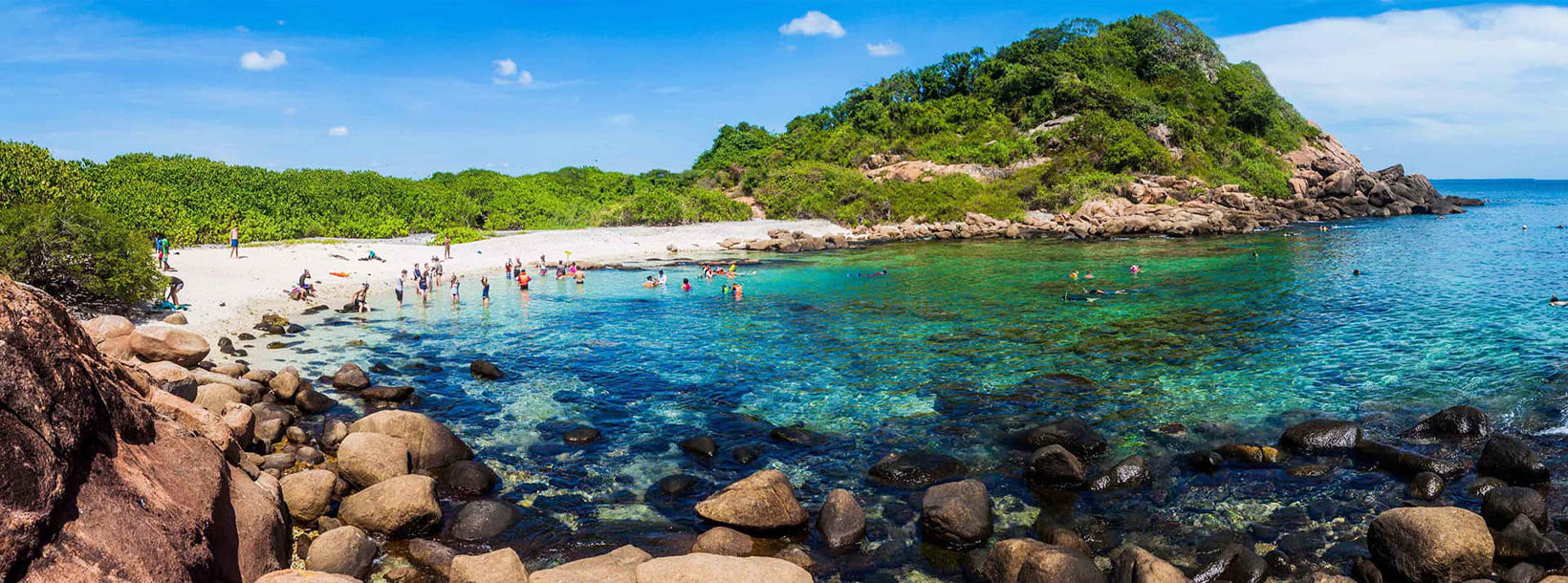
Pigeon Island National Park sits just 1 km off the coast of Nilaveli in Sri Lanka's Eastern Province — close enough to reach by boat in minutes, yet distinct enough to feel like a different world. One of only two marine national parks in the country, it protects around 471 hectares of open water, coral reef, and rocky island terrain, making it the primary destination for reef snorkelling and diving along the east coast.

What is the history of Pigeon Island National Park?

The island takes its name from the rock pigeons that have long colonised its rocky outcrops. During the British colonial era the larger island served as a military shooting range — an unlikely beginning for what would become a protected marine environment. It was first declared a sanctuary in 1963, then redesignated as a national park in 2003, becoming the 17th national park in Sri Lanka.

The 2004 Indian Ocean tsunami caused significant damage to the reef ecosystems here, as it did across many of Sri Lanka's coastal protected areas. Recovery has been gradual but measurable, and the reefs today support a notably diverse range of coral and marine life compared with other parts of the island.

What will I see at Pigeon Island?

The national park consists of two separate islands. The large Pigeon Island is fringed by a coral reef and measures roughly 200 m long by 100 m wide, with its highest point reaching around 44.8 m above sea level. The small Pigeon Island is surrounded by rocky islets and offers less beach but interesting underwater terrain.

The coral reefs here are considered among the best remaining in Sri Lanka. Snorkellers and divers can expect to encounter:

  • Blacktip reef sharks — a highlight of the park and reliably present in the shallower reef zones
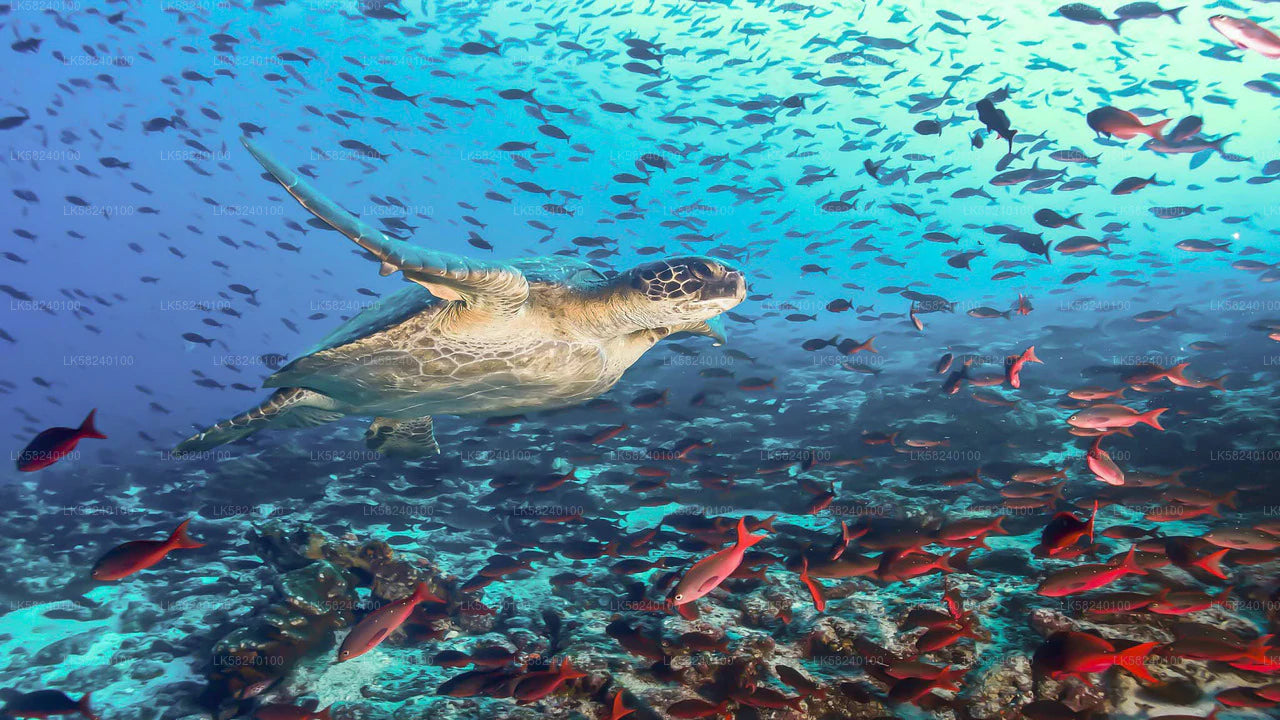
  • Green and hawksbill sea turtles — often seen feeding on seagrass near the reef edges
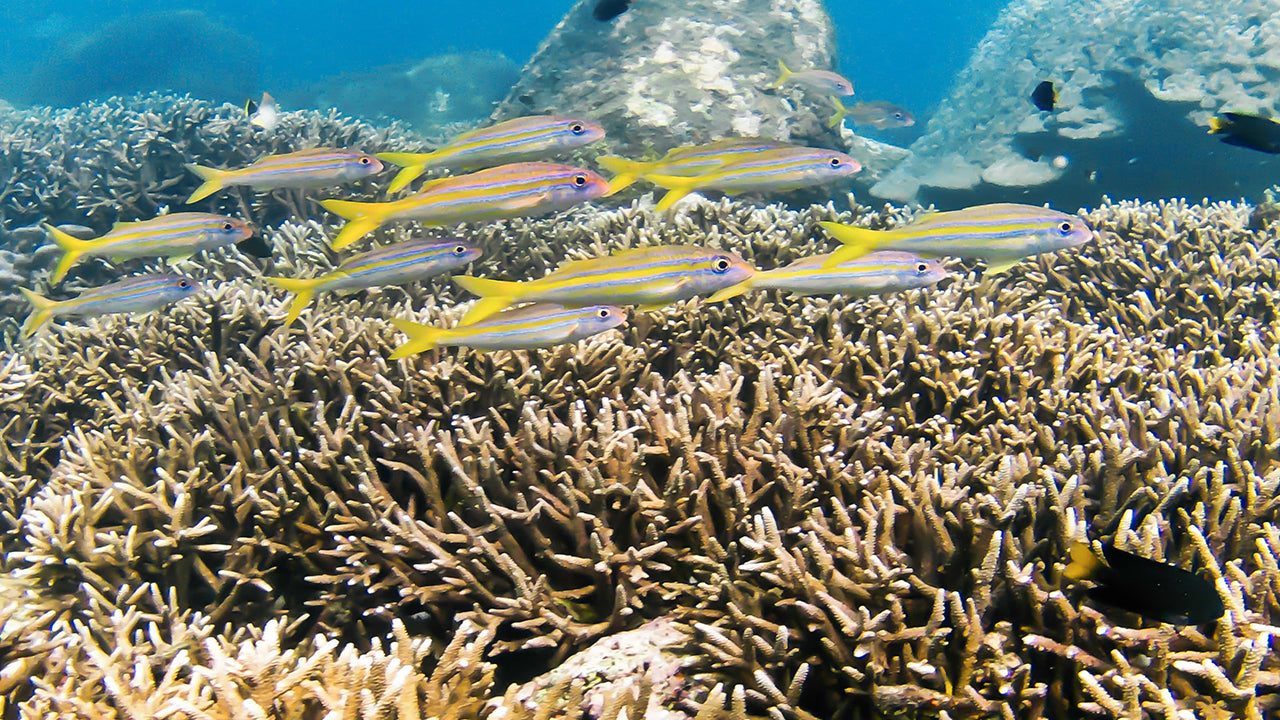
  • Reef fish — parrotfish, surgeonfish, lionfish, and moray eels among many species
  • Hard and soft corals — including table corals, brain corals, and sea fans in areas that have recovered well since 2004

On land, the rock pigeon remains a visible presence, and the island is also home to monitor lizards. Birdwatchers visiting during migration periods may spot additional species resting on the rocky islets of the small island.

When is the best time to visit Pigeon Island?

Pigeon Island lies within Sri Lanka's dry zone, where the mean annual temperature hovers around 27°C. Annual rainfall ranges from roughly 1,000 to 1,700 mm, most of it falling during the north-eastern monsoon from October to March. During this period, seas off Nilaveli can become rough and the national park is typically closed to visitors.

The optimal visiting window runs from April through September, when the weather is calm, underwater visibility is at its best, and the boat crossing from Nilaveli Beach is straightforward. May and June tend to offer the clearest water before the south-west monsoon affects the wider region.

How do I get to Pigeon Island from Nilaveli?

Access is exclusively by boat from Nilaveli Beach. The crossing takes around 15 minutes and boats operate throughout the morning during the open season. Visitors must obtain a national park entry permit before or upon boarding; the Wildlife Conservation Department manages access and sets the daily visitor limits to reduce pressure on the reef.

Nilaveli itself lies roughly 16 km north of Trincomalee town. Trincomalee is connected to Colombo by both road (approximately 260 km) and rail, making it a practical base for an east-coast itinerary. The Pigeon Island page on this site covers the geography in more detail if you want a closer look at the two islands before you go.

What are the snorkelling and diving conditions like?

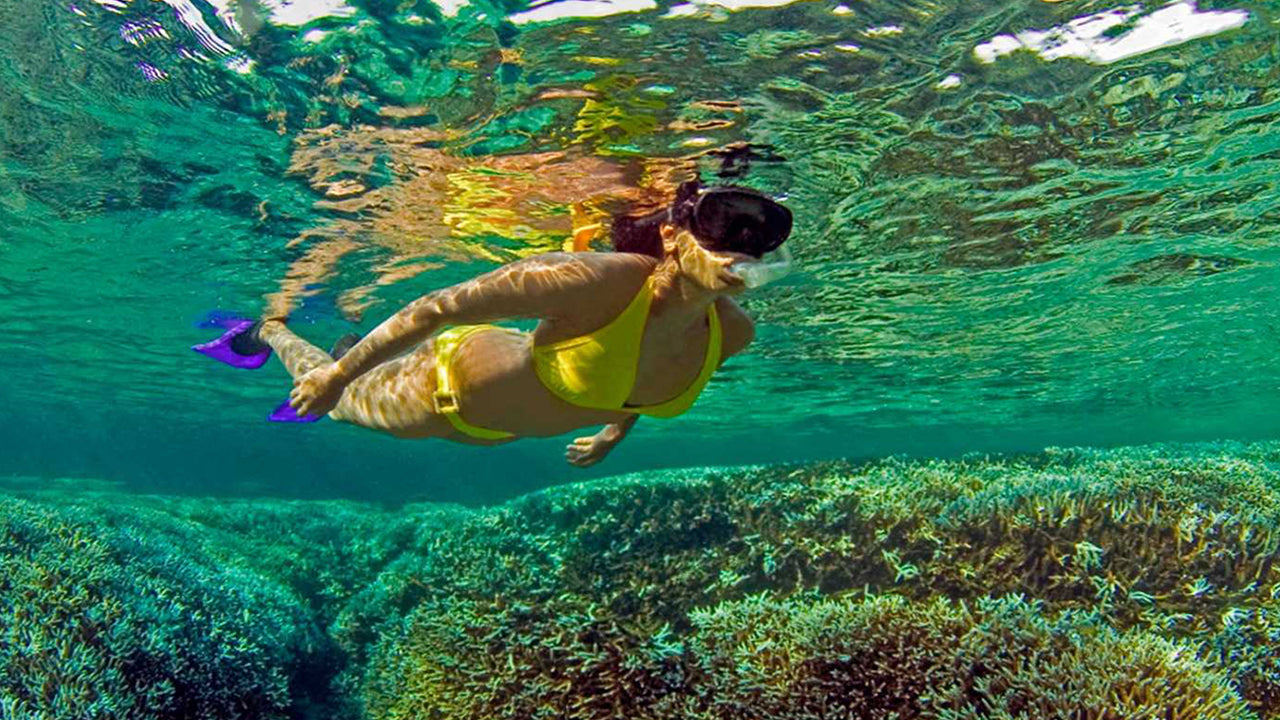
Snorkelling is the most popular activity and requires no prior certification. The reef begins in very shallow water close to shore, so even beginners can observe coral and fish without venturing far. Visibility is typically good during the April–September season, often exceeding 10 m on calmer days.

Scuba diving is also possible and reveals deeper sections of the reef where shark sightings are more frequent. Equipment rental and guided snorkel trips can be arranged through operators based at Nilaveli Beach. Swimming outside the designated zones is restricted to protect the coral, so follow your guide's instructions carefully.

Are there any rules I should know before visiting?

Pigeon Island is a protected national park, and the rules are enforced:

  • Do not touch, stand on, or collect coral — penalties apply
  • Plastic bags and single-use plastics are prohibited on the island
  • Feeding marine life is not permitted
  • Visitor numbers per day are capped — book your ferry and permit in advance during peak months
  • Sunscreen containing oxybenzone or octinoxate is harmful to coral; use reef-safe alternatives

What is Trincomalee like as a base?

Trincomalee is the nearest city and a practical hub for visiting the park. Its natural harbour is one of the finest deep-water anchorages in the Indian Ocean, and the city has a layered history — Portuguese, Dutch, and British colonial influences sit alongside ancient Hindu and Buddhist sites. Koneswaram Temple, perched on Swami Rock above the sea, is a significant pilgrimage site for Tamil Hindus and offers panoramic views of the bay.

Nilaveli Beach and the nearby Uppuveli Beach both have a range of accommodation options, from guesthouses to mid-range hotels. Deep sea fishing off the Trincomalee coast is another activity worth considering if you are spending more than a day in the area.

How does Pigeon Island compare with other Sri Lankan marine sites?

Sri Lanka has two marine national parks: Pigeon Island in the north-east and Bar Reef Marine Sanctuary in the north-west. Of the two, Pigeon Island is more accessible to travellers and more frequently visited. Its reef condition, blacktip reef sharks, and relatively calm seasonal waters make it the stronger choice for most snorkellers. Hikkaduwa on the south-west coast also has a reef and is far easier to reach from Colombo, but it experiences heavier tourist pressure and generally lower visibility.

Book this experience with Lakpura

Curated by our local team. Direct booking, instant confirmation.

Ask Lakpura® Agent