Lakpura
Lakpura®

Diya-Kepeema (Water Cutting Ceremony)

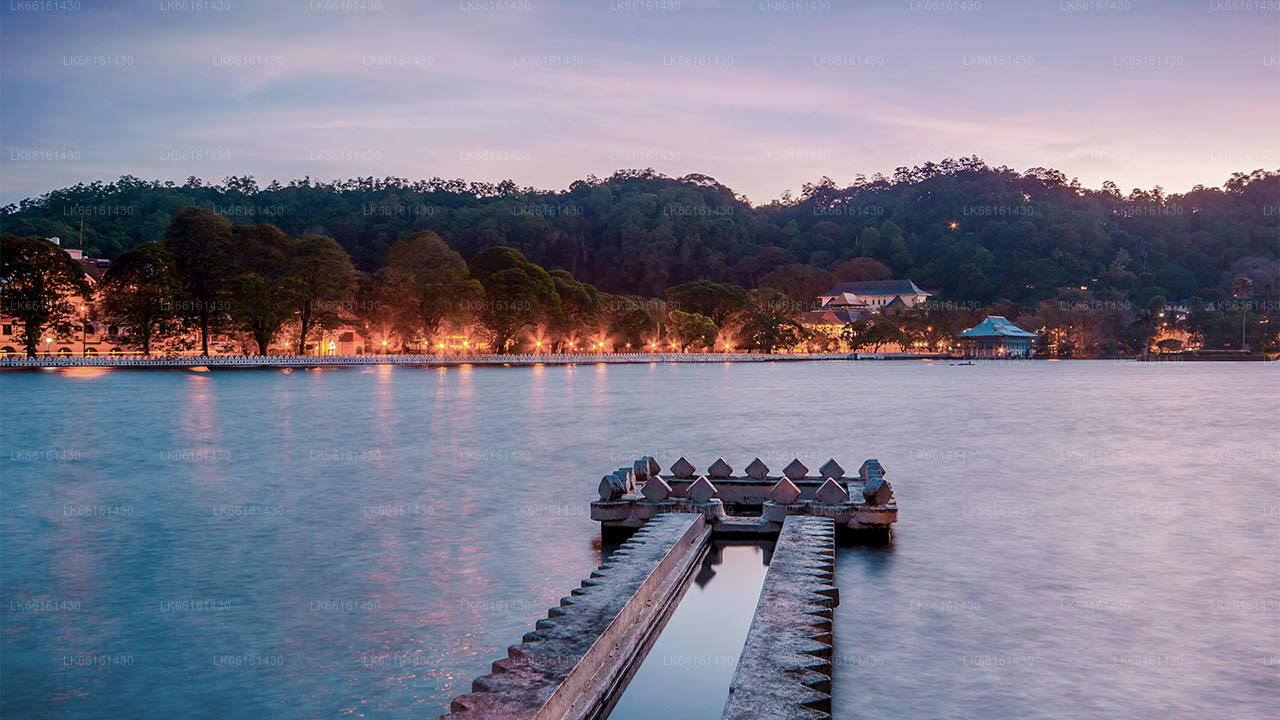
Before the first light touches the Mahaweli River, a solemn procession moves through the darkness on the final night of the Esala Perahera Festival. This is the Diya-Kepeema — literally, the "water cutting" — one of the oldest continuous ritual observances in Sri Lankan Buddhist culture, and the ceremony that formally brings the great Kandy festival to a close.

What is the Diya-Kepeema ceremony?

Diya-Kepeema is a pre-dawn ritual performed on the banks of the Mahaweli River in Kandy at the conclusion of the Esala Perahera. The chief custodians of the Temple of the Sacred Tooth Relic lead a select procession — accompanied by monks, traditional drummers, dancers, and torchbearers — to the river under the cover of darkness. A sword is used to strike the water three times in a symbolic act of severance: cutting away misfortune, disease, and spiritual impurity from the land.

Holy water is then collected in a silver vessel and carried back to the Dalada Maligawa with the same reverence accorded to the Sacred Tooth Relic itself. The water is believed to carry protective and purifying power that guards the nation through the coming year.

What is the spiritual significance of the ritual?

At its core, Diya-Kepeema reflects the profound role water plays in Sinhalese Buddhist cosmology. Water is not merely a resource in this tradition — it is a living force, a medium through which blessings and curses alike travel. The act of cutting the river symbolises a break with accumulated ill fortune, while the collection of sanctified water represents the renewal of divine protection for the kingdom — a concept inherited from an era when Kandy was the last royal capital of Sri Lanka.

The ritual is also linked to the agricultural cycle. The Esala season falls in the lunar month of July or August, when Sri Lanka's farming communities historically prayed for adequate monsoon rains. By sanctifying the river, the ceremony was understood to ensure that water — the source of all harvests — would flow generously.

How does Diya-Kepeema relate to the Esala Perahera?

The Esala Perahera spans roughly ten nights, building night by night in scale and spectacle, with elephants, kandyan dancers, whip-crackers, and torchbearers filling the streets of Kandy. The Diya-Kepeema is positioned deliberately outside that spectacle. Where the Perahera is public, ceremonial, and visually overwhelming, the water cutting is private, pre-dawn, and austere. The contrast is intentional: the outer festival celebrates the relic and the community; the inner ceremony restores the spiritual balance on which the community depends.

There are actually two water-related processions associated with the Perahera cycle. The Kap ceremony at the beginning of the festival plants a sanctified post to mark the sacred period; the Diya-Kepeema at the end closes the ritual space and releases the community back to ordinary time.

Is the Diya-Kepeema open to visitors?

The Diya-Kepeema is not a public spectacle. Unlike the Perahera processions — which draw hundreds of thousands of spectators along the streets surrounding the Dalada Maligawa — the water cutting ceremony is conducted by the custodians of the temple and their designated attendants. General visitors are not permitted to attend or observe the ritual directly.

Travellers visiting Kandy during the Esala period can, however, witness the final Randoli Perahera procession the night before, which is the largest and most elaborate of the entire festival. The Kandy Tourist Information Center can advise on seating, timing, and access points for the public processions.

When does the Diya-Kepeema take place?

The ceremony is held in the early hours of the morning immediately following the final night of the Esala Perahera, which itself falls on the full moon (Nikini Poya) of the lunar month of Esala — typically in late July or August. The precise date shifts each year according to the lunar calendar. Observing the ritual requires a planned visit to Kandy that coincides with the full Perahera season rather than a casual stopover.

Diya-Kepeema at a Glance
DetailNotes
LocationMahaweli River, Kandy
TimingPre-dawn, final night of Esala Perahera
SeasonJuly or August (lunar calendar)
Led byChief custodians of the Dalada Maligawa
Public accessNot open to general visitors
SignificanceRitual purification and national protection

What is the historical background of the ceremony?

The origins of the Diya-Kepeema are closely tied to the history of the Kandyan Kingdom and the custodianship of the Sacred Tooth Relic, which arrived in Sri Lanka from India in the fourth century CE. The Esala Perahera as an organised festival gained its current form under the patronage of Kandyan kings, particularly during the eighteenth century, when the relic and its attendant rituals became central to royal legitimacy. The water cutting ceremony likely predates the formal Perahera structure, drawing on older Sinhalese agrarian rites connected to river worship and seasonal renewal.

The historian and Kandyan-period scholar Ehelepola Nilame occupies an important, if complex, place in the final years of the Kandyan Kingdom that gave these ceremonies their current form — a reminder that the rituals visitors witness today were shaped by real historical figures navigating the politics of faith and power.

How can I experience the broader Esala Perahera culture?

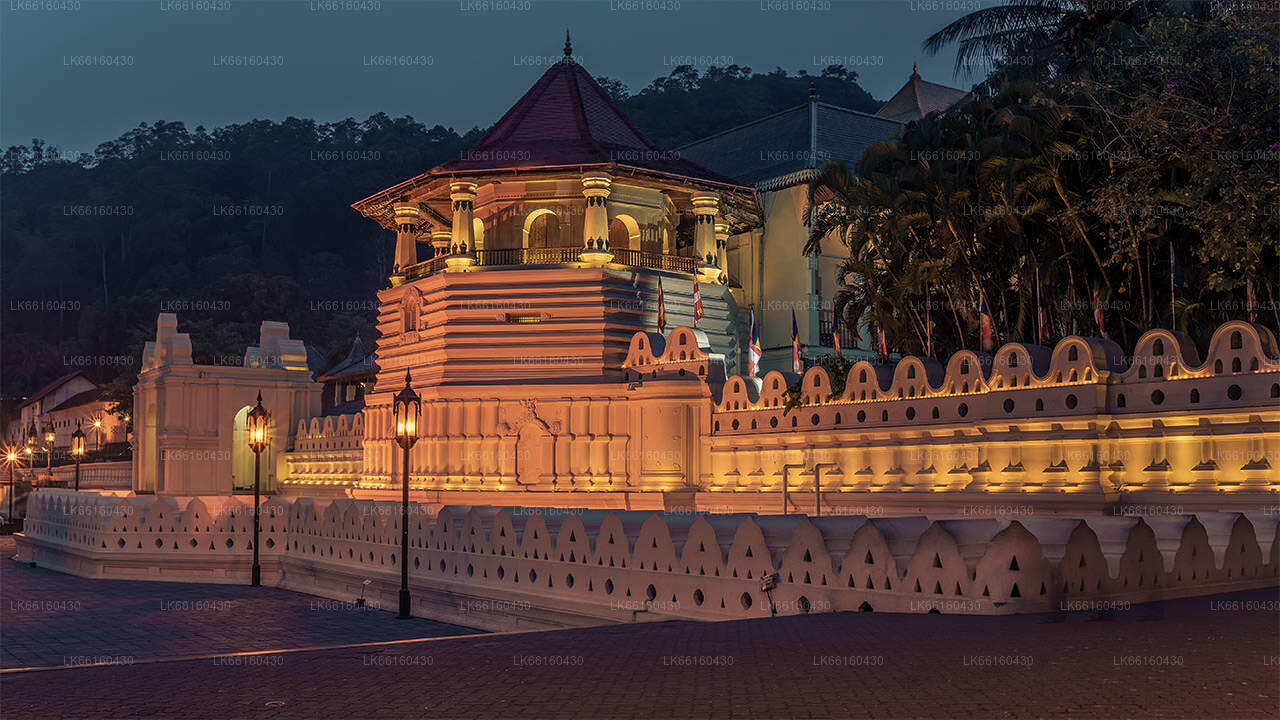
Visitors who cannot observe the Diya-Kepeema directly can still engage meaningfully with the ritual world it represents. The Kandy City Tour includes the Dalada Maligawa, where the Sacred Tooth Relic is enshrined and where daily puja ceremonies offer a quieter, year-round window into the devotional life that underpins the entire Perahera season. Several cultural programs in Kandy also demonstrate the traditional drumming and dance styles performed during the processions.

Planning a visit around the Perahera season requires advance booking — accommodation in Kandy fills months in advance, and reserved seating for the processions is allocated by officially recognised ticketing channels. Lakpura can assist with itinerary planning, transport, and accommodation arrangements for the full Esala period.

Ask Lakpura® Agent