Bandaranaike Memorial International Conference Hall

The Backstory

Over half a century ago, Solomon West Ridgeway Dias Bandaranaike (most commonly known as SWRD Bandaranaike) oversaw Sri Lanka as its fourth Prime Minister from 1956 until his assassination in 1959. He brought into effect several new laws. However, his most famous achievement is the foreign policy that he created.

During his career in politics, in 1953 even before he came to power, Mr. Bandaranaike stated that “I say, for heaven’s sake, be friendly with England or America or anybody else, but do not commit yourself to any one of them…….. As far as I can see, the wisest foreign policy that is being followed in the world today by any leading statesman is that of Pandith Jawaharlal Nehru….”. His views continued as he rose into his seat of power. His very first policy change as the Prime Minister of Ceylon, which was read by the Governor-General on April 20, 1956, stated that: “In its foreign policy, my Government will not align with any power blocs. The position of bases at Katunayake and Trincomalee will be reviewed…… consideration will be given to exchange of diplomatic representatives with countries in which Ceylon is not at present represented”. The policy change was not in words only, and over the next three years, the actions of the Prime Minister reflected how such a policy could be achieved. On his death, many foreign countries grieved the loss of such a brilliant personality.

The Construction

In 1970, approximately 10 years after his passing; his wife Sirimavo Bandaranaike, who had gone on to become the first stateswoman in the world, was then in her second term of office as Prime Minister. At that time she decided to honor her late husband, Prime Minister SWRD Bandaranaike, for the excellent foreign policy that he had created which in turn helped protect Sri Lanka and bring it into the international arena. A decision was reached that any monument constructed in honor, should have a direct connection to International Relations. As no conference halls were available in Sri Lanka at the time with international level facilities, this was taken up as the project.

The People’s Republic of China donated LKR 35 Million towards the construction of BMICH as a gift to the people of Sri Lanka. A land of over 40 acres was identified for the construction, right in the center of Colombo. With everything ready and set to go, the construction of BMICH was initiated at 4 pm on November 24th, 1970 under the patronage of the Prime Minister at the time – Mrs. Sirimavo Bandaranaike, Minister of Housing – Mr. Peter Keuneman, and the Ambassador of China. As the construction costs were donated by China; the crew consisted of a joint Sri Lankan and Chinese workforce of 2000 people, with a considerable portion of the building materials being imported from China.

On 17th May 1973, the construction was completed and entrusted to the Sri Lankan Government. It became an iconic landmark in the heart of the city; stretched across a lush plantation of 40 acres with a monumental Convention Centre with the best international facilities in South Asia, beautifully decorated with water fountains and colorful floral gardens.

The Rise of BMICH

Over the years a number of iconic international events were held at the Band

O okrese Colombo

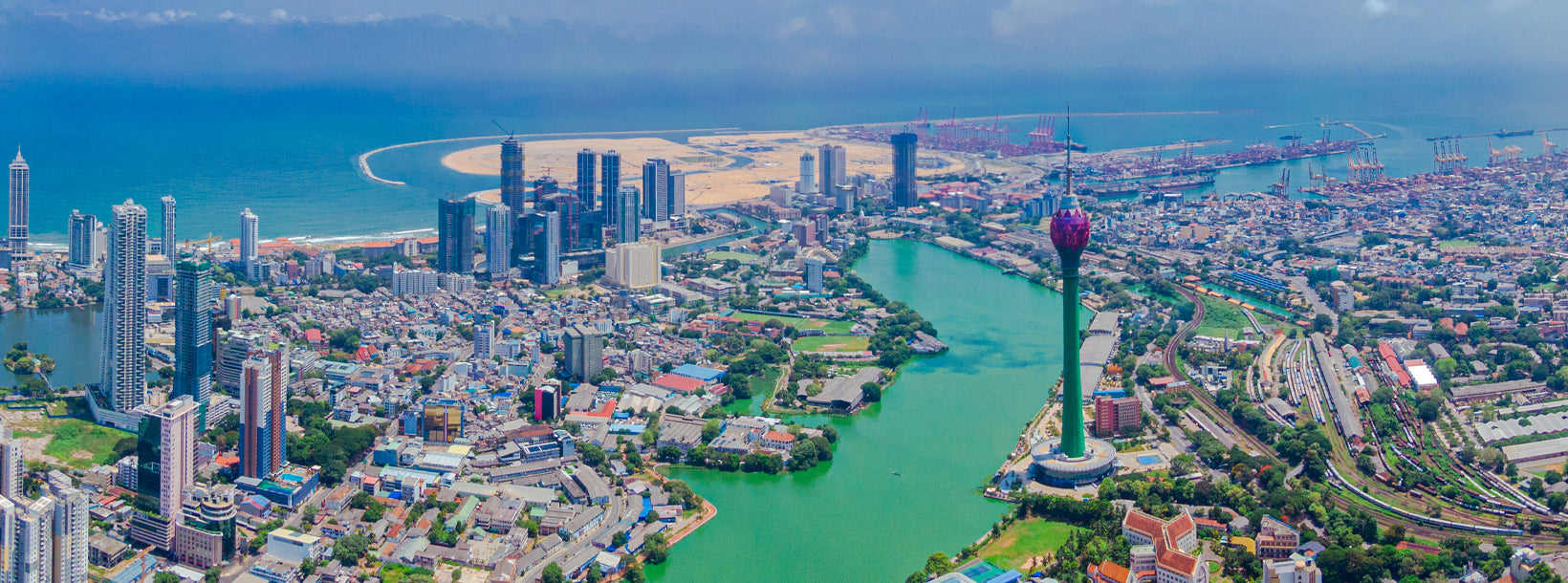
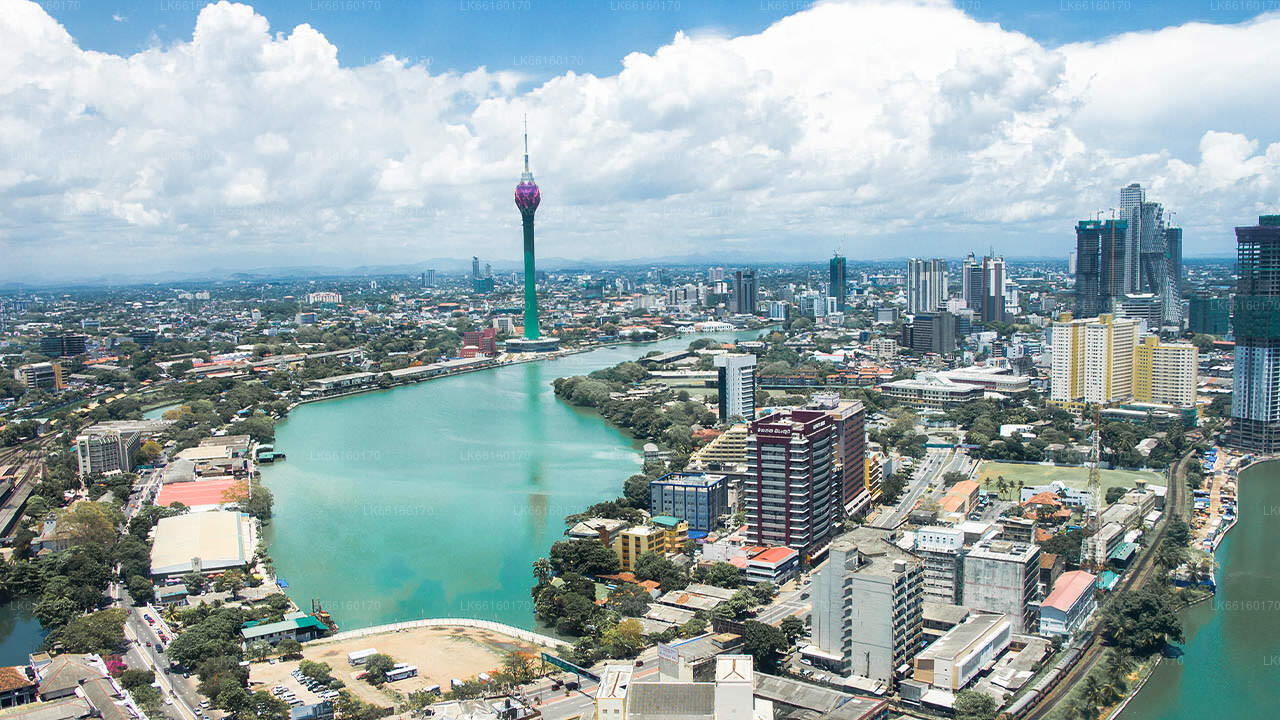
Kolombo je největší město a obchodní centrum Srí Lanky. Nachází se na západním pobřeží ostrova a sousedí se Srí Džajavardanepura Kotte, hlavním městem Srí Lanky. Kolombo je rušné a živé město se směsicí moderního života, koloniálních budov a ruin a má 647 100 obyvatel. Metropolitní region Kolombo, vymezený okresy Kolombo, Gampaha a Kalutara, má odhadovanou populaci 5 648 000 a rozkládá se na ploše 3 694,20 km². Kolombo je multietnické a multikulturní město. Je to nejlidnatější město na Srí Lance, v jehož městských hranicích žije 642 163 lidí. Počet obyvatel Kolomba je směsicí mnoha etnických skupin, zejména Sinhálců, Maurů a Tamilů. Ve městě žijí také malé komunity lidí čínského, portugalského, nizozemského, malajského a indického původu, stejně jako četní evropští emigranti. Velká většina srílanských společností má svá ústředí v Kolombu. Mezi průmyslová odvětví patří chemický, textilní, sklářský, cementářský, kožený, nábytkářský a šperkovský průmysl. V centru města se nachází druhá nejvyšší budova v jižní Asii - Světové obchodní centrum.

O Západní provincii

Západní provincie je nejhustěji osídlenou provincií Srí Lanky. Nachází se zde hlavní město zákonodárného sboru Sri Jayawardenepura Kotte a také Colombo, administrativní a obchodní centrum země. Západní provincie se dělí na 3 hlavní okresy s názvem Colombo (642 km²), Gampaha (1 386,6 km²) a Kalutara (1 606 km²). Město je ekonomickým centrem Srí Lanky a sídlí zde všechny hlavní místní i mezinárodní korporace, stejně jako všichni hlavní designoví a maloobchodní prodejci, takže se připravte na nákupní terapii v západní provincii. Západní provincie má nejvyšší populaci ze všech provincií a téměř všechny přední vzdělávací instituce na ostrově se nacházejí v ní. Mezi univerzity v provincii patří Univerzita v Colombu, Univerzita Sri Jayewardenepura, Univerzita v Kelaniya, Otevřená univerzita na Srí Lance, Buddhistická a pálijská univerzita na Srí Lance, Univerzita obrany generála sira Johna Kotelawaly a Univerzita v Moratuwě. Západní provincie má největší počet škol v zemi, včetně národních, provinčních, soukromých a mezinárodních škol.