Glenugie Tea Estate sits in the cool, mist-prone highlands of Sri Lanka's central region, where altitude and climate conspire to produce some of the most distinctive Ceylon tea in the world. The estate occupies a landscape of gently rolling hills covered with neatly maintained tea bushes, framed by forested ridgelines and distant valley views. For visitors who want to understand what goes into a cup of high-quality Sri Lankan tea, a half-day at Glenugie offers a grounded, unhurried experience.
What makes Glenugie Tea Estate worth visiting?
Ceylon tea is not a monolith. Its character shifts with elevation, soil, rainfall patterns, and the precise point in the year when leaves are plucked. Glenugie occupies mid- to high-elevation terrain, which typically yields a tea with a bright, brisk character and clean finish — qualities that have earned highland Ceylon teas a loyal following among buyers worldwide.
Beyond the cup, the estate preserves a working agricultural rhythm that has changed little in its essentials since the colonial era. Tea pickers move through the rows early each morning, selecting only the top two leaves and a bud — a practice that determines much of the final tea's quality. Watching this process up close gives visitors a concrete sense of how labor-intensive genuine single-estate production remains.
What can you see and do at Glenugie?
Guided tours of the estate typically cover three linked stages: the field, the factory, and the tasting room.
- Field walk: A guide walks visitors through the planted rows, explaining how bushes are pruned, why only certain leaves are selected, and how weather affects seasonal yield. The terrain itself is easy to walk and offers open views across the hill country.
- Factory tour: Inside the processing facility, freshly plucked leaf passes through withering, rolling, oxidation (fermentation), and drying in a sequence that is logical once explained but surprising to most first-time visitors. The dry, grassy, slightly floral smell of a working tea factory is distinctive and memorable.
- Tea tasting: The session at the end allows visitors to compare the estate's grades side by side — assessing color, aroma, and taste in the way professional tea tasters do, without milk or sugar, so the leaf's true character comes through.
How does Glenugie fit into a broader hill-country itinerary?
The estate pairs naturally with other attractions in the central highlands. Ella, one of the most popular hill-country bases for independent travelers, is within reasonable driving distance, offering access to hiking trails, railway scenery, and several other estates. Horton Plains National Park, Sri Lanka's highest protected plateau, is another logical addition for visitors already in the region — its cloud-forest ecosystem and World's End escarpment represent a very different, but equally compelling, highland experience.
Those who want to deepen their understanding of Sri Lanka's plantation history can look at the broader context of Bluefield Tea Gardens as a point of comparison — different estate, different elevation band, different cup character.
When is the best time to visit Glenugie Tea Estate?
The central highlands experience two distinct monsoon cycles, and tea plucking adjusts around them. Broadly, the periods from January to March and from July to September tend to offer drier conditions and are often considered the most comfortable for plantation visits. That said, the estate operates year-round, and light highland mist — even during wetter months — adds atmosphere to a field walk without making it impractical.
Early morning visits are preferable if you want to see active plucking in progress, since field work typically starts around dawn and continues through mid-morning.
How do I get to Glenugie Tea Estate from Colombo or Kandy?
The estate is accessible by road from both Colombo and Kandy, with the journey from Kandy being the shorter option — typically a couple of hours depending on the exact route and traffic. Roads through the hill country are scenic but winding, so a private driver is the most comfortable and practical choice. Arranging a driver also means you can combine the estate visit with other stops along the way without being tied to public transport schedules.
If you are based in Kandy, combining a Glenugie visit with the Kandy city tour on adjacent days gives a good contrast between the urban cultural heritage of the city and the agricultural heritage of the surrounding hills.
What should you know about Ceylon tea grades before your visit?
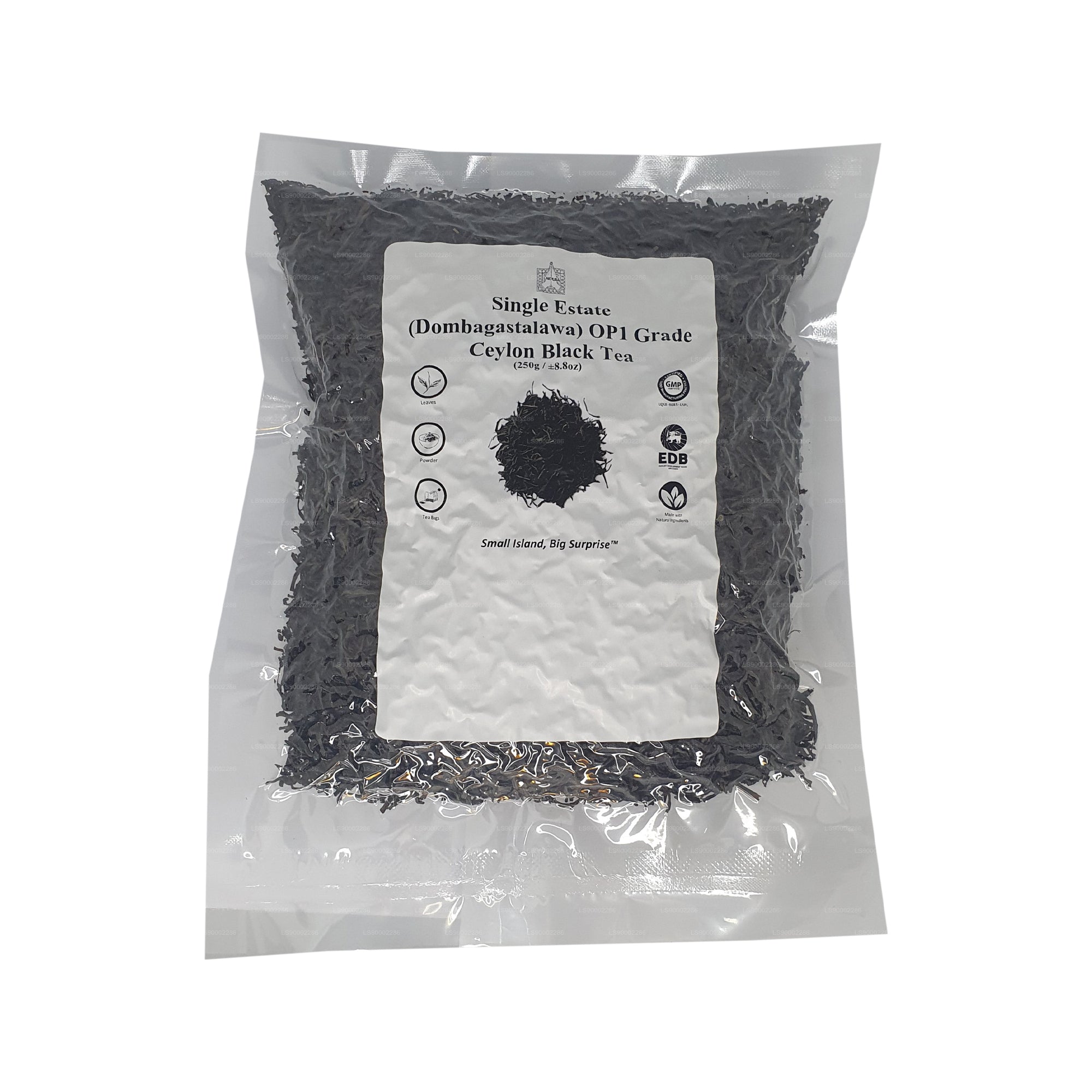
Tea grading can seem opaque at first, but the terms follow a consistent logic based on leaf size and processing style. A short reference:
| Grade abbreviation | Meaning | Typical character |
|---|---|---|
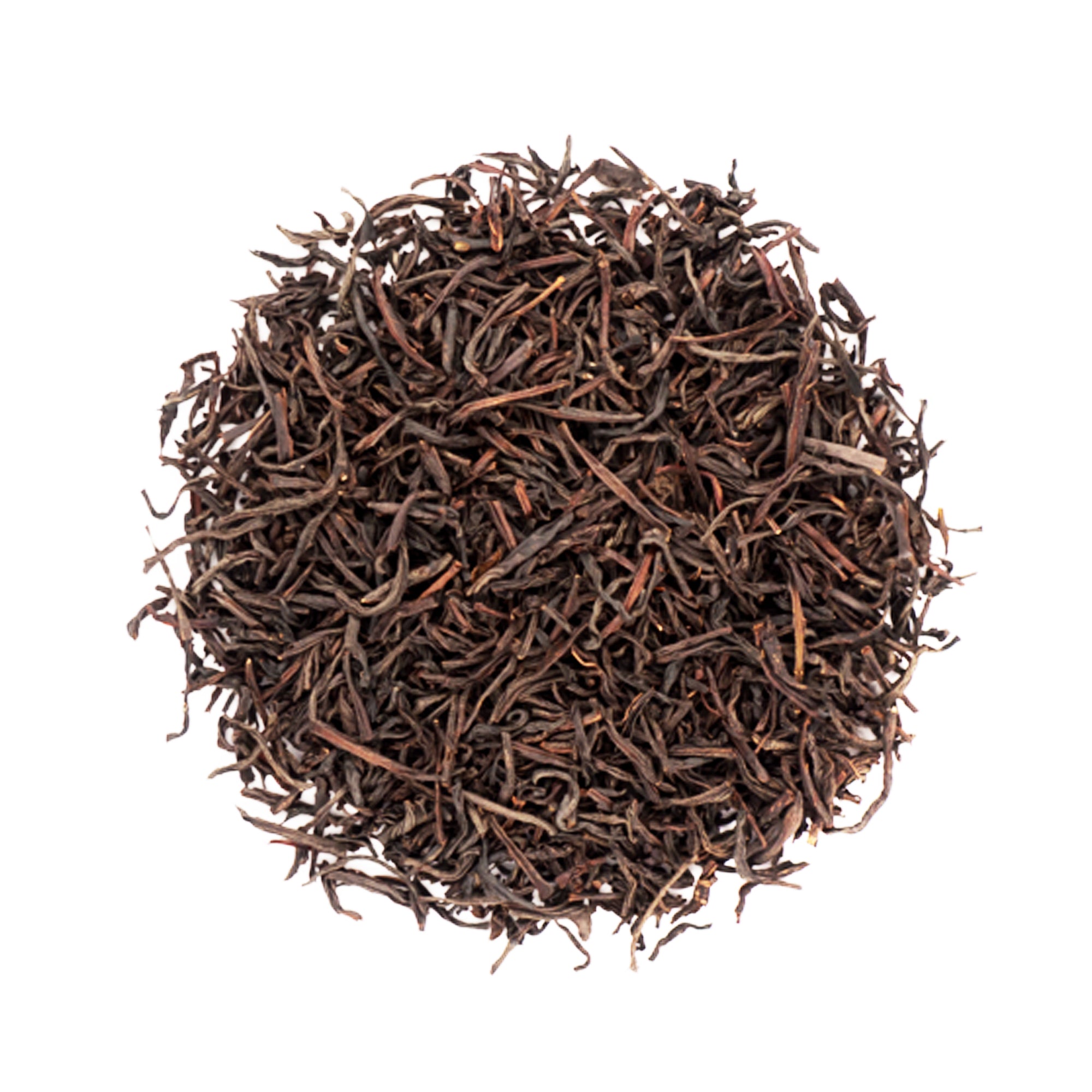
| OP / OP1 | Orange Pekoe | Long, wiry leaf; medium-bodied, smooth |
| PEKOE | Shorter leaf than OP | Fuller body, slightly darker liquor |
| BOP / BOP1 | Broken Orange Pekoe | Strong, quick-brewing, bold cup |
| FBOP | Flowery Broken Orange Pekoe | Brisk with some tip content |
| BOPF | BOP Fannings | Very fine; standard for tea bags |
Understanding this table before the tasting session means you will get more out of the guided comparison, since you will be able to connect what you taste to how the leaf was processed.
Is Glenugie Tea Estate suitable for families and children?
The estate visit is low-intensity and suitable for most ages. The factory has industrial machinery in operation, so children should stay with the guide at all times in that section. The field walk involves moderate terrain — unpaved paths on a gentle gradient — which is manageable for most visitors who are reasonably mobile. There is no minimum age requirement for the tasting session, though the experience is most meaningful for older children and adults.
What else defines Sri Lanka's tea country?
Sri Lanka's hill country is defined by more than tea. The plantation belt overlaps with areas of significant ecological value, including cloud forests and high-altitude grasslands. The Sinharaja Forest Reserve, a UNESCO-listed lowland rainforest, lies to the southwest of the hill country and can be incorporated into a longer journey through the island's interior. Together, the plantation landscape and the surrounding forest reserves give Sri Lanka's central region a depth that rewards travelers who move slowly through it rather than rushing between highlights.