Mridangam


The mridangam is a percussion instrument of ancient origin. It is the primary rhythmic accompaniment in a Carnatic music ensemble. In Dhrupad, a modified version, the pakhawaj, is the primary percussion instrument. A related instrument is the Kendang, played in Maritime Southeast Asia.
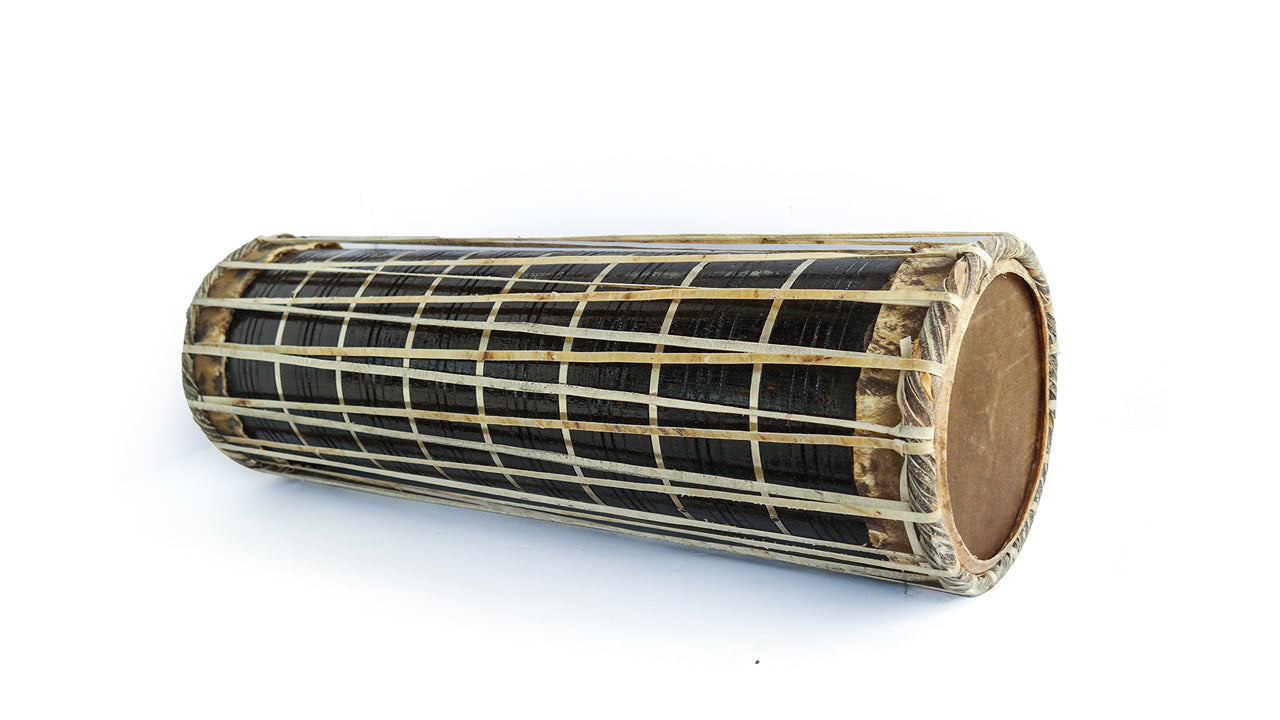
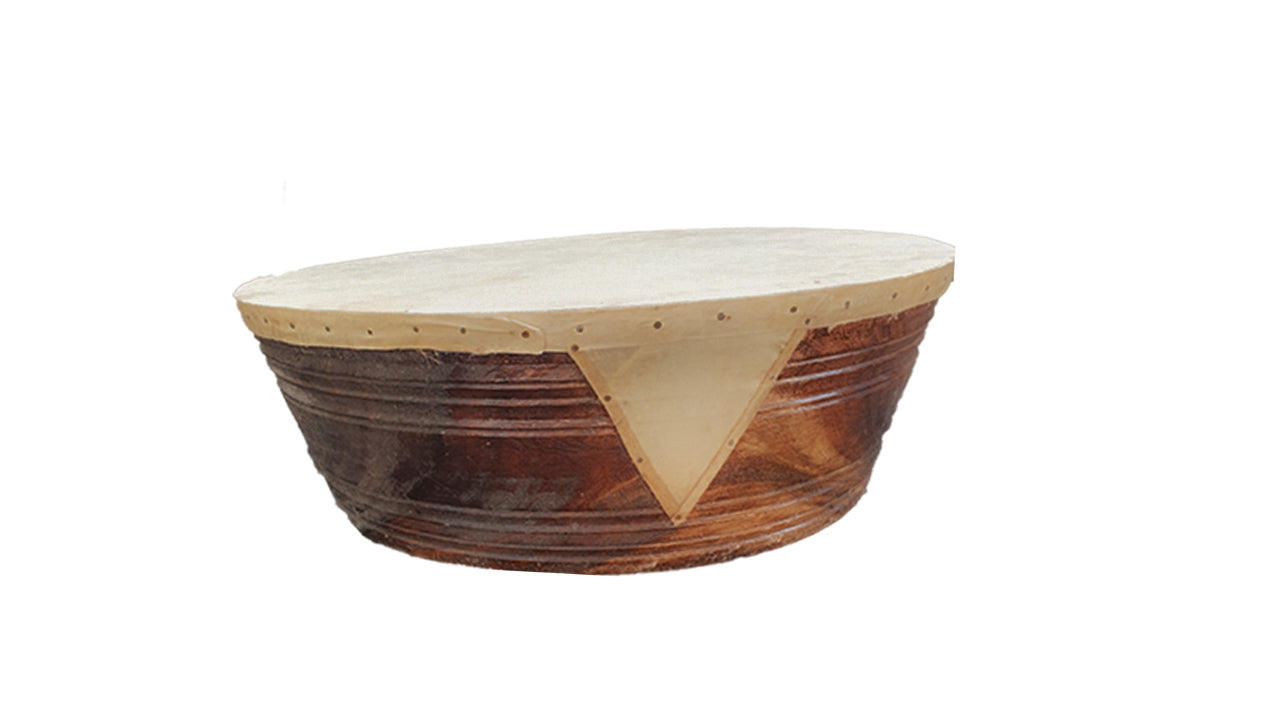
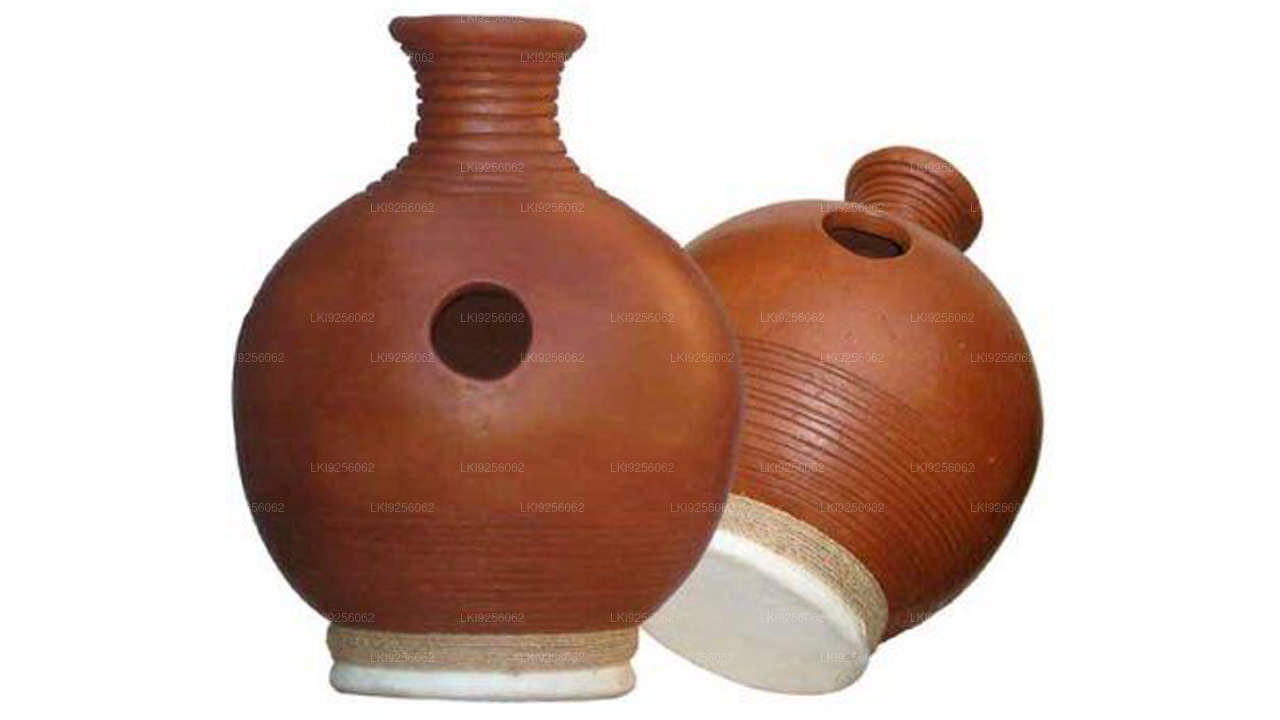
During a percussion ensemble, the mridangam is often accompanied by the ghatam, the kanjira, and the morsing
EtymologyThe word "Mridangam" is formulated by the union (sandhi) of the two Sanskrit words mrt (clay or earth) and anga (limb), as the earliest versions of the instrument were made of hardened clay.
LegendIn ancient Hindu sculpture, painting, and mythology, the mridangam is often depicted as the instrument of choice for a number of deities including Ganesha (the remover of obstacles) and Nandi, who is the vehicle and follower of Shiva. Nandi is said to have played the mridangam during Shiva's primordial tandava dance, causing a divine rhythm to resound across the heavens. The mridangam is thus also known as "deva vaadyam," or "Divine Instrument"
HistoryOver the years, the mridangam evolved and was made from different kinds of wood for increased durability, and today, its body is constructed from the wood of the jackfruit tree. It is widely believed that the tabla, the mridangam's Hindustani musical counterpart, was first constructed by splitting a mridangam in half. With the development of the mridangam came the tala (rhythm) system. The mridangam has a large role in Newa music. One of the earliest Nepal Bhasa manuscripts on music is a treatise on this instrument called Mridanga anukaranam. The range of its use has changed over the years. In the old days, percussionists were only employed to accompany the lead player, often the vocalist. Now its use is not restricted to accompaniment, and it is used for solo performances.
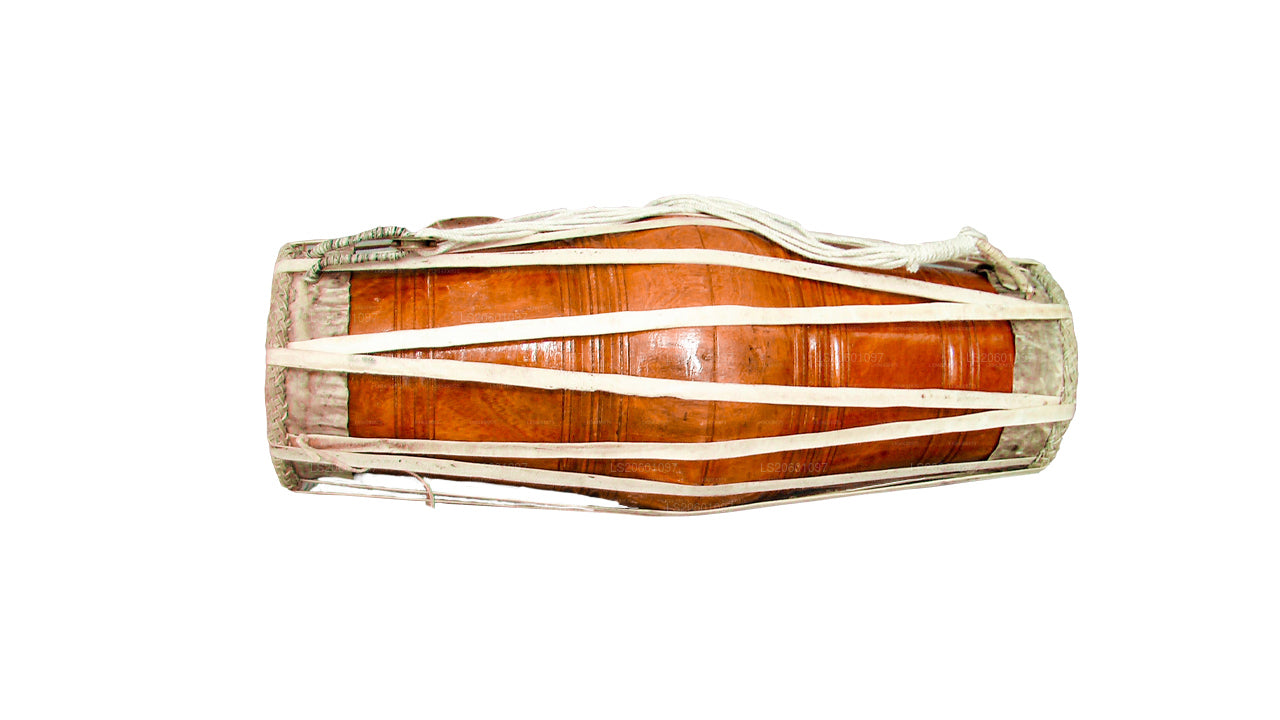
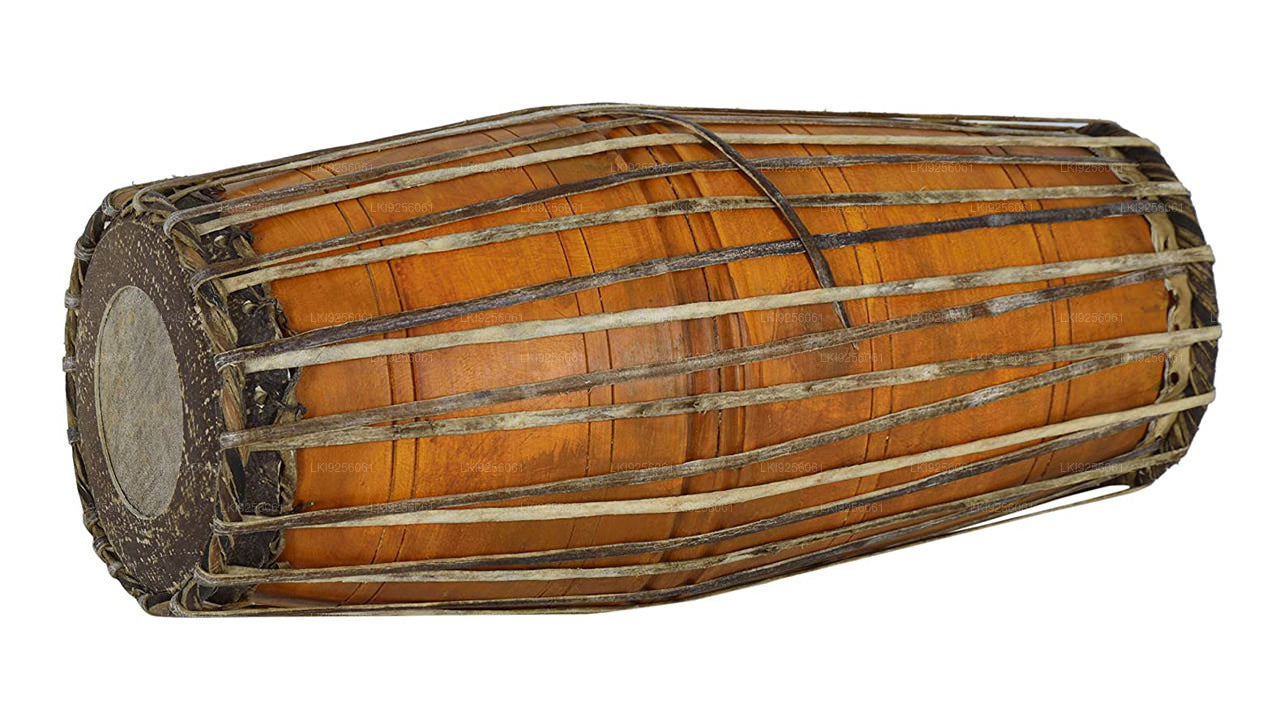
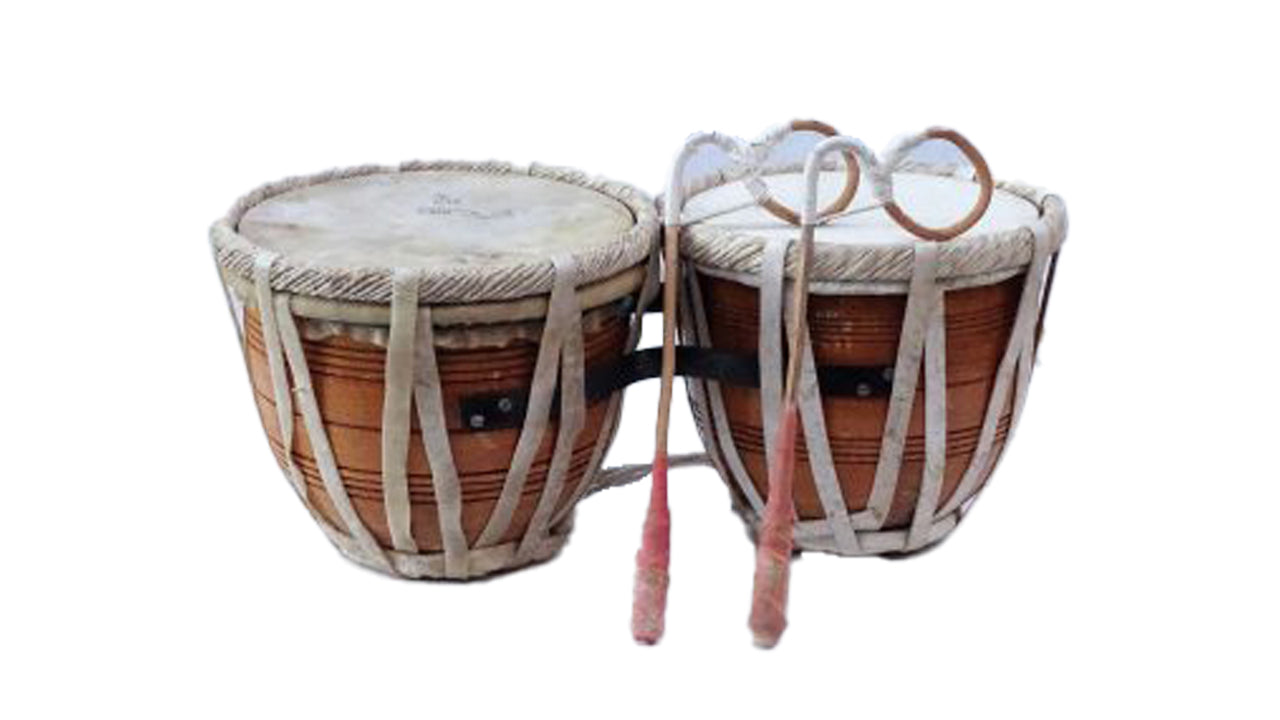
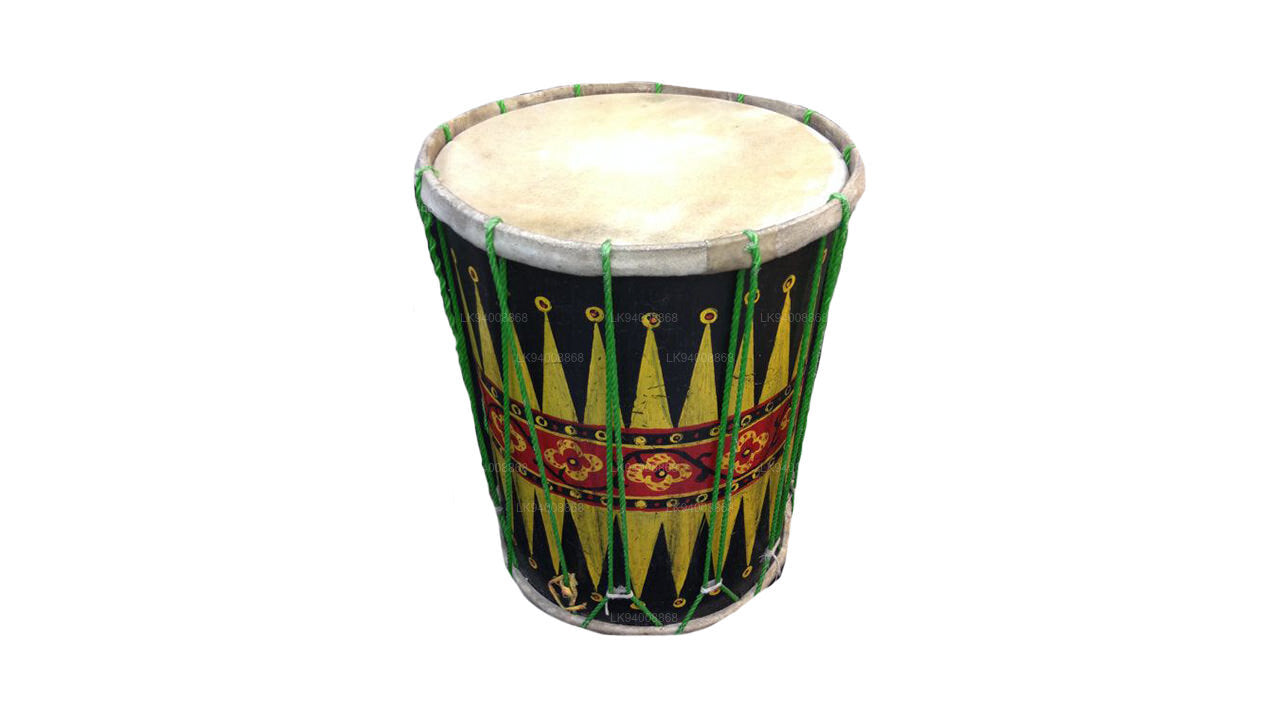
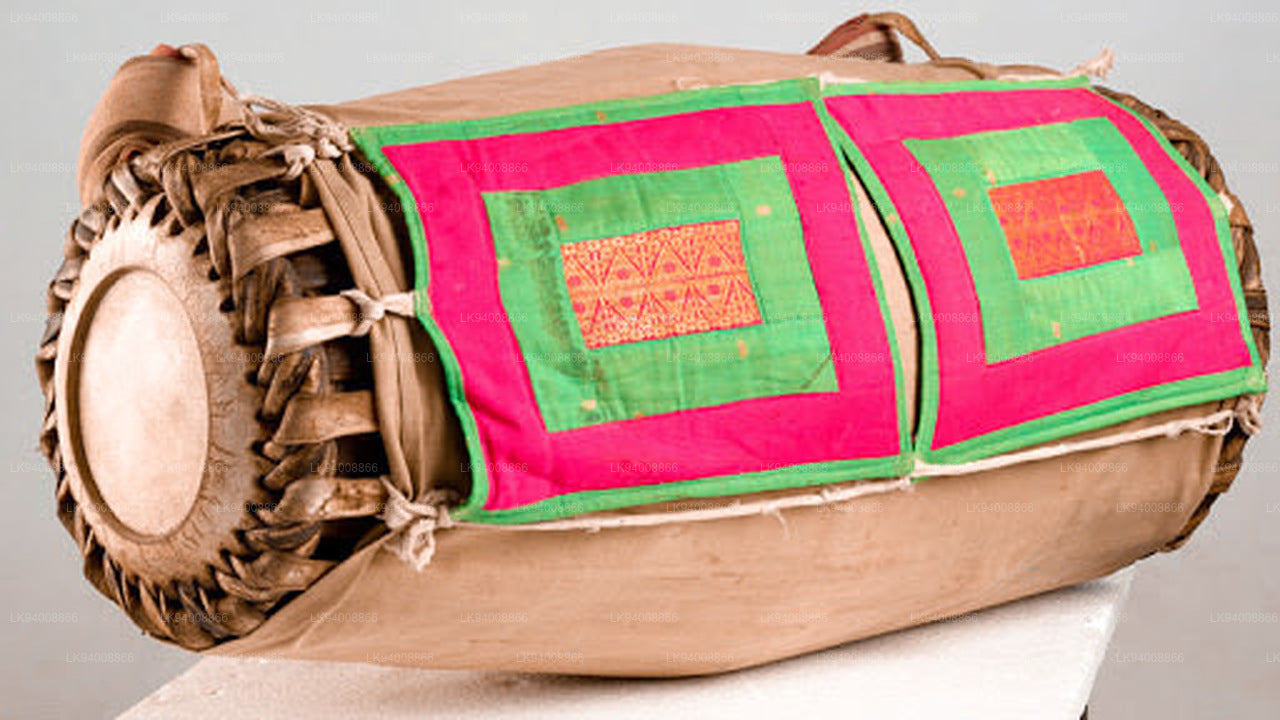
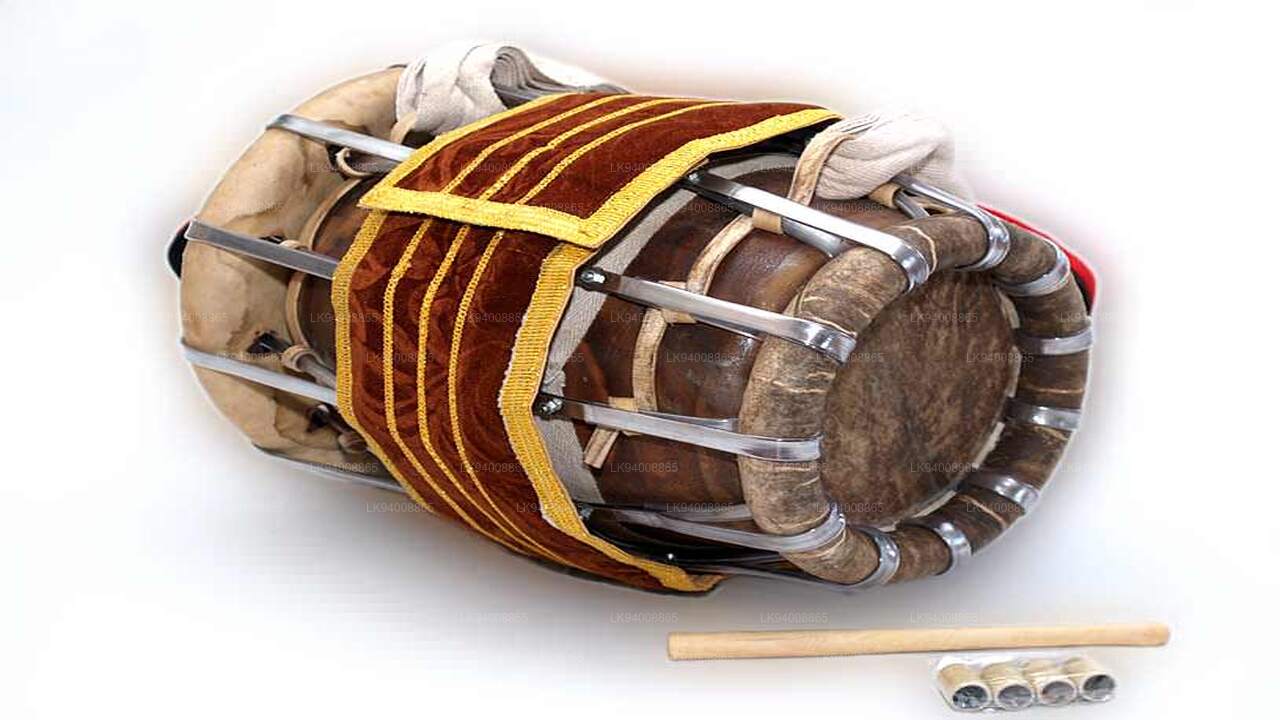
ConstructionThe mridangam is a double-sided drum whose body is usually made using a hollowed piece of jackfruit wood about an inch thick. The two mouths or apertures of the drum are covered with a goatskin and laced to each other with leather straps along the length of the drum. These straps are put into a state of high tension to stretch out the circular membranes on either side of the hull, allowing them to resonate when struck. These two membranes are dissimilar in diameter to allow for the production of both bass and treble sounds from the same drum. The bass aperture is known as the thoppi or eda bhaaga and the smaller aperture is known as the valanthalai or bala bhaaga. The smaller membrane, when struck, produces higher pitched sounds with a metallic timbre. The wider aperture produces lower pitched sounds. The goat skin covering the smaller aperture is anointed in the center with a black disk made of rice flour, ferric oxide powder and starch. This black tuning paste is known as the satham or karanai and gives the mridangam its distinct metallic timbre.
The combination of two inhomogeneous circular membranes allows for the production of unique and distinct harmonics. Pioneering work on the mathematics of these harmonics was done by Nobel Prize-winning physicist C. V. Raman
Methods of useImmediately prior to