Madol Doova


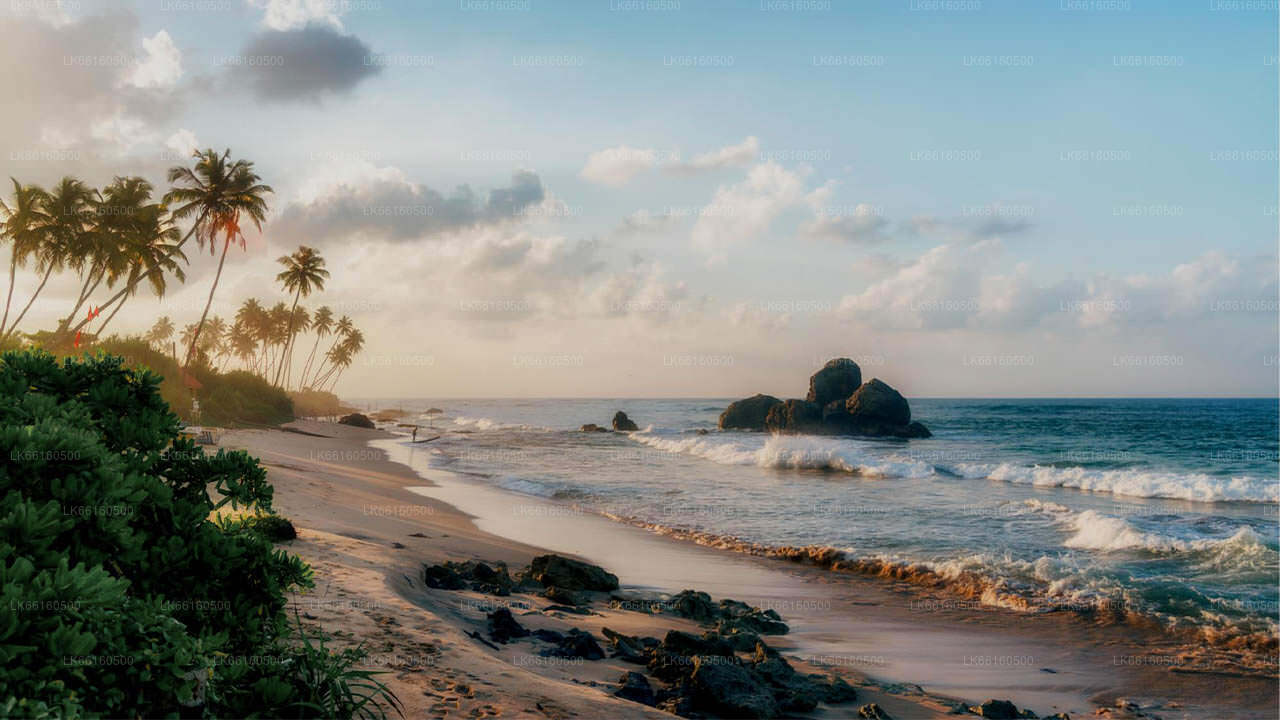
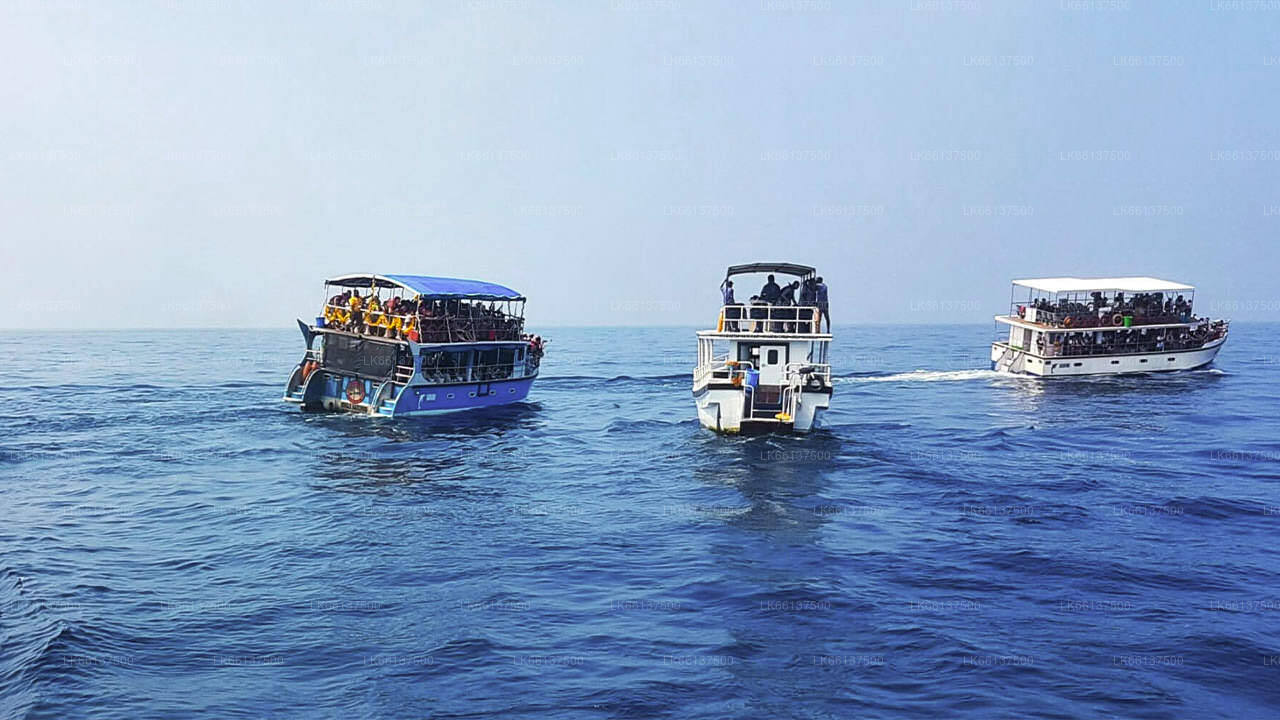
Places like Koggala attract tourists to Sri Lanka from various countries. Koggala is located on the southern face of Sri Lanka. Koggala museum is the home of former famous writer Martin Wickramasinghe. Koggala town has a valuable culture, custom, and folks. Koggala is an ideal place for travelers aptitude of Sinhala culture and tradition. Koggala museum consists of wood, furniture, traditional masks and costumes of folk dancers. Visitors can enjoy the boat trips in the lagoon and Koggala lake to explore other tiny islands and the bio diversity around the Koggala site. Koggala is a perfect place for bird watching. Hundreds of birds are coming roost at evening.
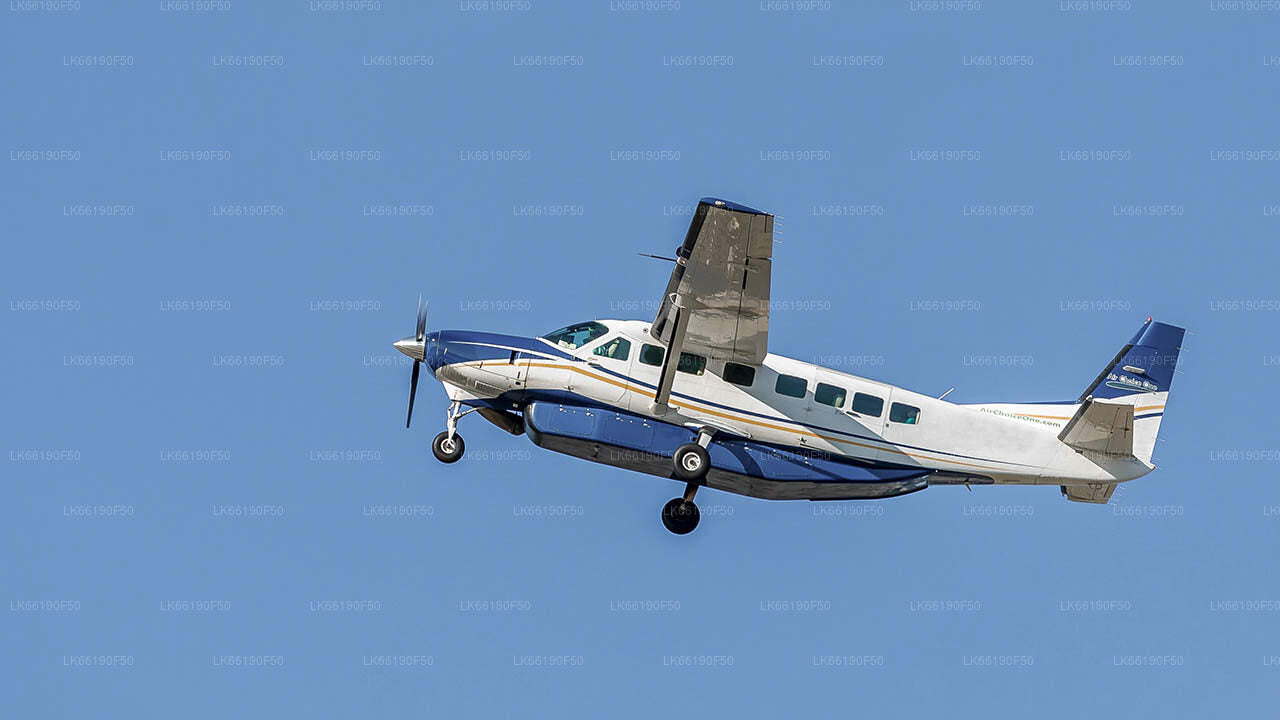
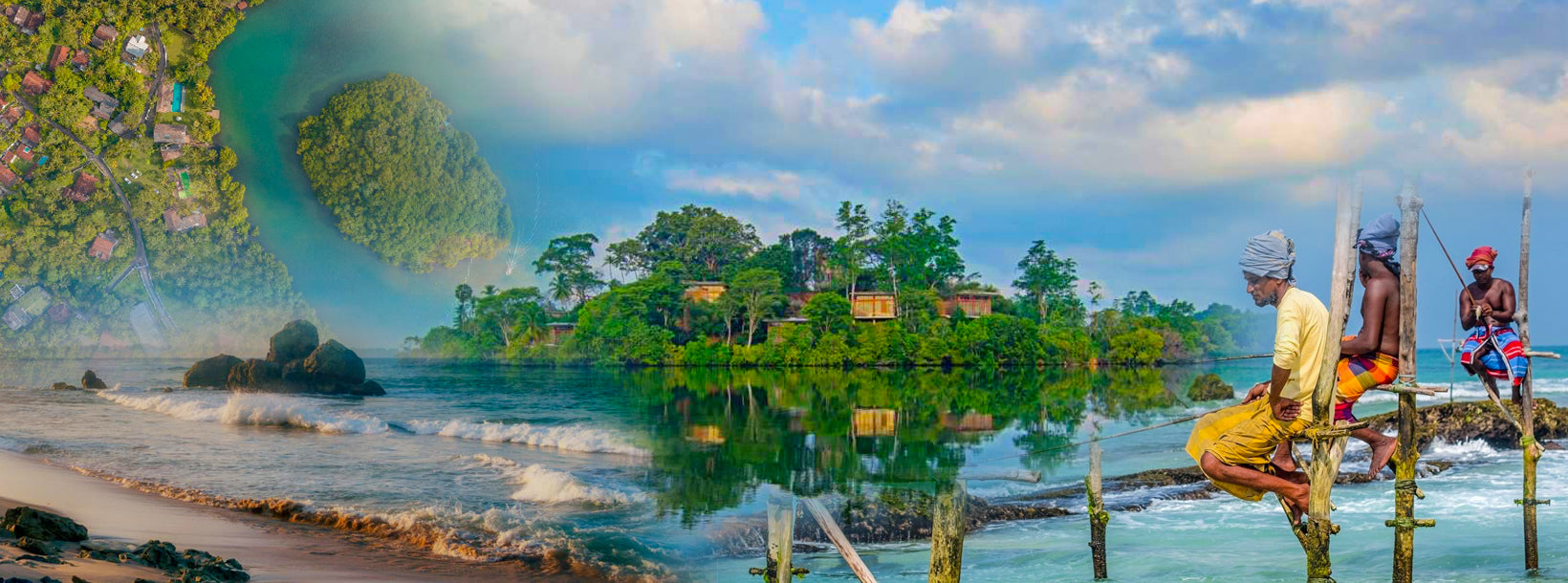
Madol Duwa is a yet another island whereas became very famous through the Madol Duwa book. This novel was written by Martin Wickramasinghe. Martin Wickramasinghe is identified as a most renowned writer in late 20th century. The story is developed around Upali, Jinna, Ranadewa, Dangadasa, and Siripala. Their struggle to success their lives in the deserted island named Madol Duwa is elaborated through the story. Even the story was made into a film in 1976. Koggala Lake is a large unspoiled lake located within few kilo meters away from town. Bird watching at evening is breathtaking. At the entire lagoon is teamed with prawns and birds. You are allowed to take boat trips and explore the islands around the Koggala Lake. In fact, it will be a relaxing experience. Pol Oya, reckoned as Sri Lankas largest natural lake comprised of 8 small islands. You are indulged to see various species of mangrove swamps. It is witnessed that approximately 10 of them are endemic to Sri Lanka. There are 7 islands around Pol Oya that can be reached. On your way to Madol Duwa, these islands will be found. The first island is kathduwa. Obviously, the place was used to land sea planes by Japanese during the World War 2. Even today sea planes from Nuwara Eliya or Marawila can be landed here. Sekku gala, the well magnified at Madol Dowa novel is still remaining at the Madol Duwa Island. Nowadays it is going to be polluted due to the misbehaviors of the peasantry around the area. There is a Turtle hatchery at the border of Koggala city. Purposely it was built to conserve and promote Sri Lankan Tourism. Since 1996 the hatchery is tryin