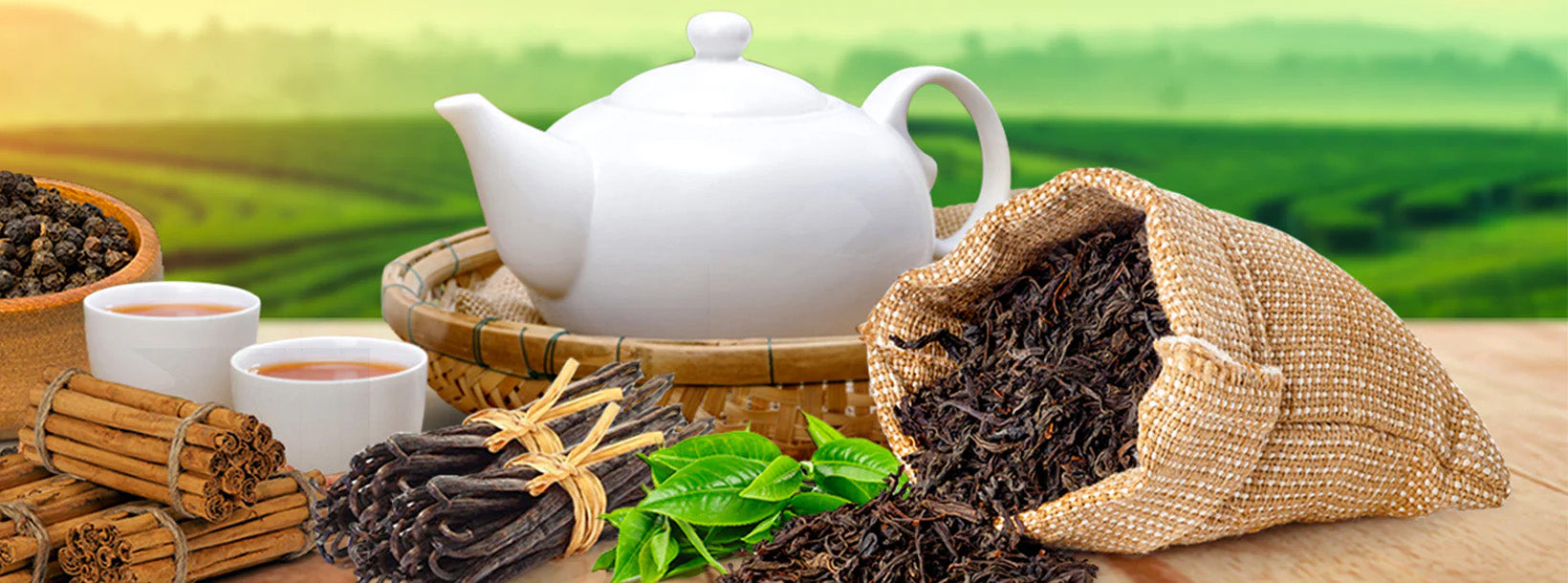
Ceylon Green Tea
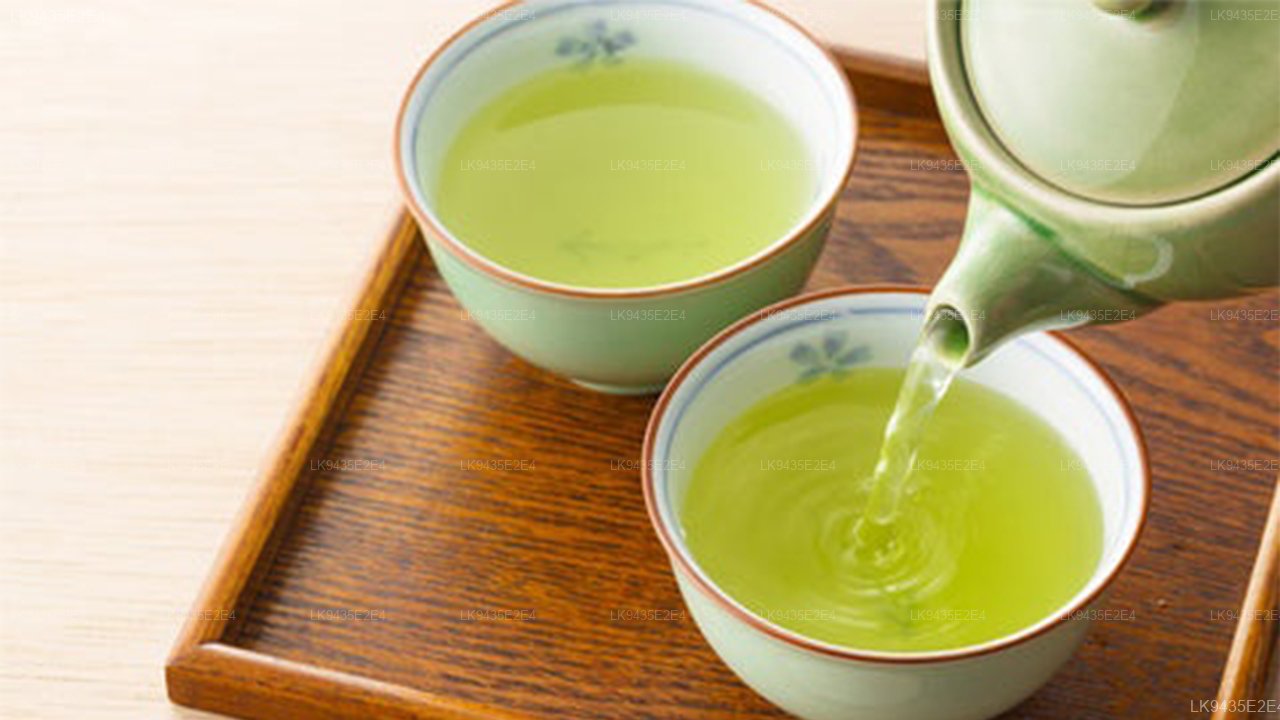


Ceylon Green Tea Grades
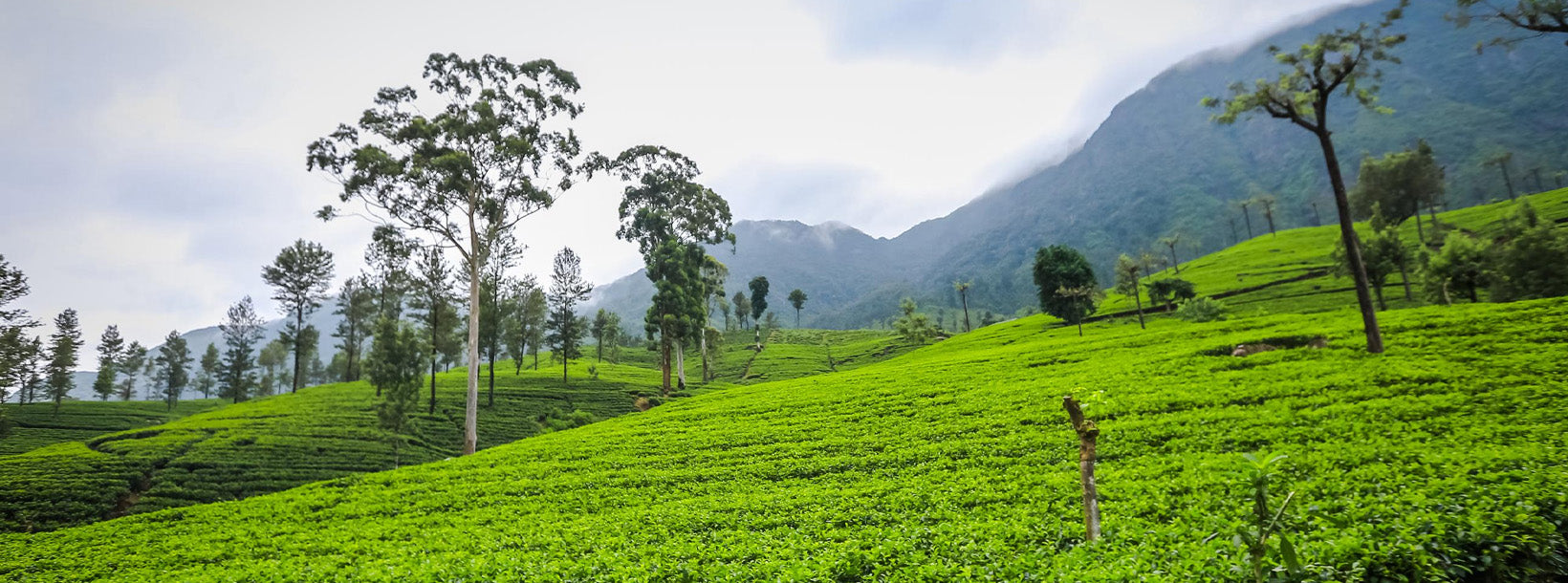
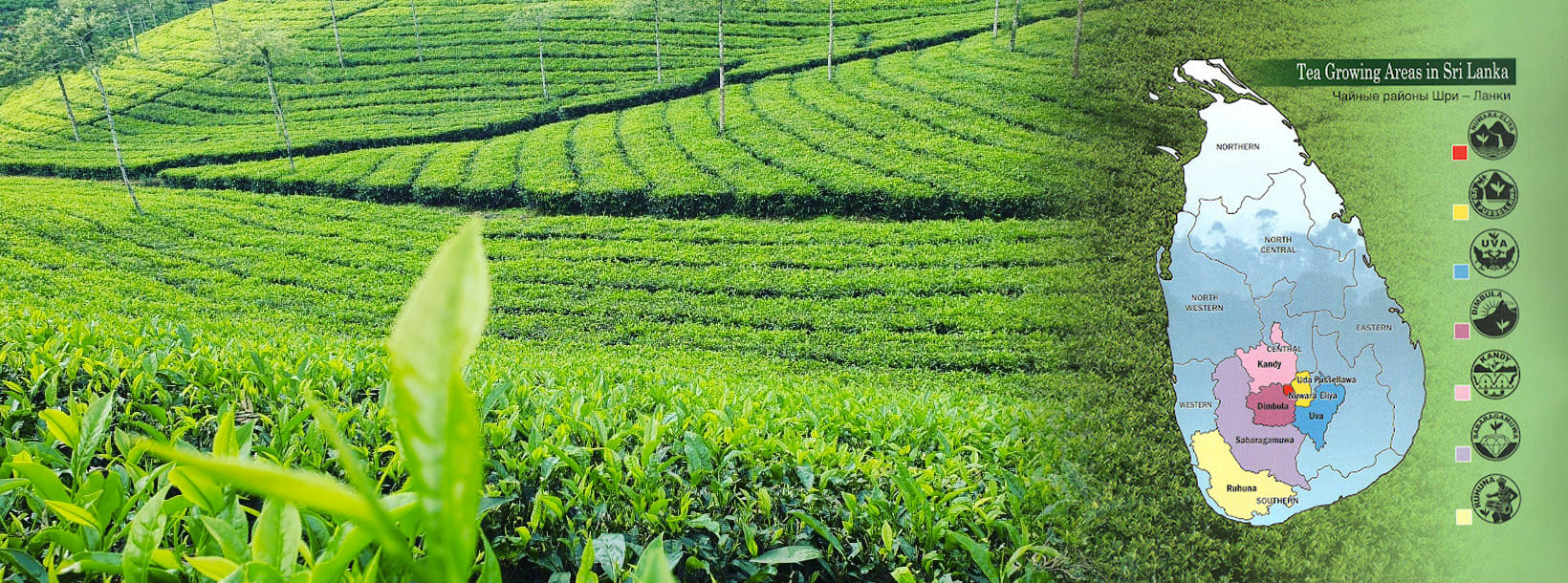
Although Ceylon Tea has long been synonymous with premium quality black tea since its introduction to global markets in the 19th century, Ceylon Green Tea is made from hand-picked buds and leaves mainly grown in the Uva and Nuwara Eliya regions of Sri Lanka.
While there had been numerous experiments in producing Ceylon Green Tea since the 19th century using Chinese seedlings, the first batch of Ceylon Green Tea was exported only in 1982. Today, the majority of green tea from Sri Lanka is produced using Assamese stocks mainly in the Uva region, giving the tea a fuller body with a pungent, malty, and nutty flavour.
Unlike Ceylon Black Tea, Sri Lanka serves only 3% of the global demand for green tea, exporting mainly to the USA, Australia, and Russia. As Ceylon Green Tea is an acquired taste, there is growing demand from Western and Eastern Asia, as well as African and South American countries.
Meanwhile, Ceylon Tea has adopted Chinese, Indonesian, Japanese, and Brazilian seedlings in producing Ceylon Green Tea, expanding cultivation into the Nuwara Eliya region with its cooler climate and mountainous terrain.
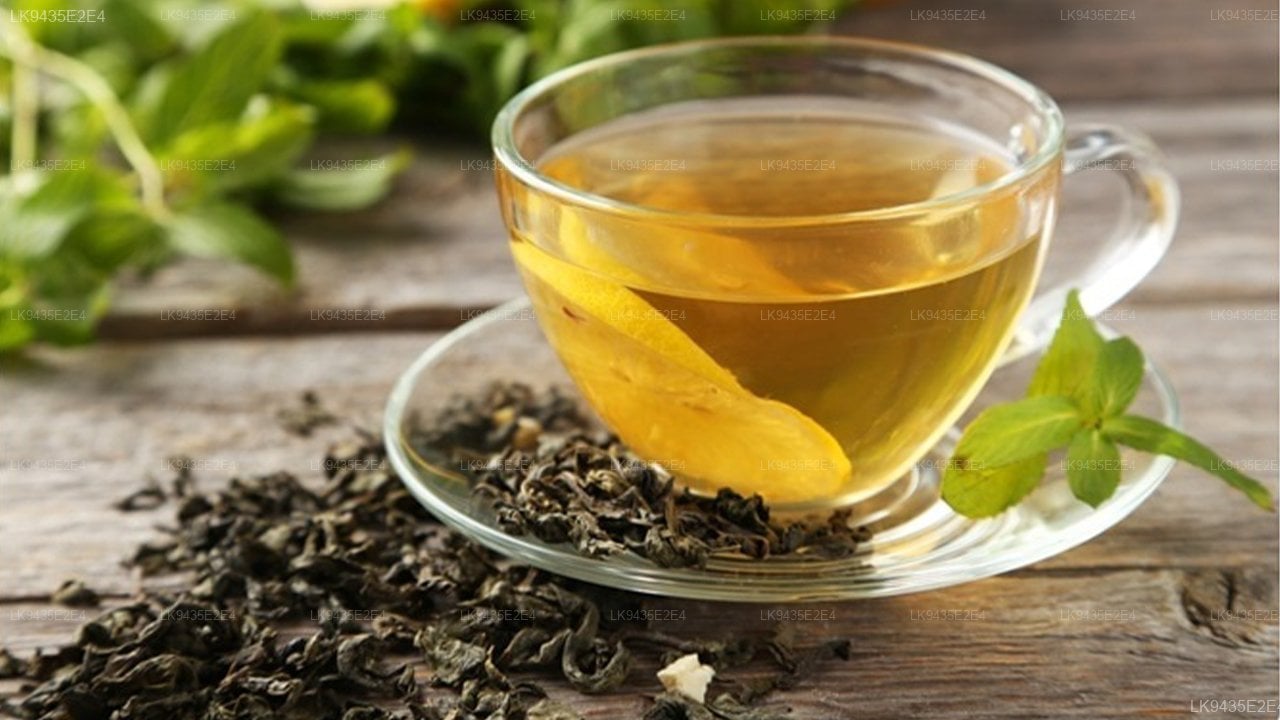
These varieties produce a light, bright yellow liquor with a delicate, sweet flavour typical of green teas worldwide. Despite their variation, Ceylon Green Tea offers multiple scientifically recognized health benefits.
Ceylon Green Tea Nomenclature
Exclusively handpicked using the “two leaves and a bud” method, Ceylon Green Tea is manufactured following traditional Chinese production techniques and grading systems.
Sri Lankan manufacturers produce a range of Ceylon Green Tea including Chun Mee, Gunpowder, Green Curl, Sowmee, Sencha, Green Tea Flowery Fannings (GTFF), and Green Tea Powder.
Chun Mee Green Tea
Chun Mee features small, curled leaves resembling an arched eyebrow. It offers a light, mellow, and slightly sweet flavour with a clean finish.
Gunpowder Green Tea
Available as GP1, GP2, and Special, Gunpowder tea consists of tightly rolled pellets. It has a strong, versatile flavour used in blends, cold brews, and Moroccan Mint Tea.
Green Curl
A delicately twisted tea with coarse leaves, Green Curl produces a bright infusion with creamy tones and green shades.
Sowmee Green Tea
Sowmee consists of evenly opened leaves that brew into a deep yellow-green infusion with a smooth taste.
Sencha Green Tea
A widely consumed tea, Sencha is a steamed variety with fine, needle-shaped dark green leaves and a refreshing flavour.
Green Tea Flowery Fannings (GTFF)
Similar to BOPF in black tea, GTFF consists of small green leaf particles with tips, mainly used in tea bags and available as GTFF and GTFF 1.
Green Tea Powder
Green tea powder is the fine residue from tea processing, dull olive green in colour, commonly used in cooking, baking, and beverages.
Other Ceylon Green Tea Varieties
Flavoured Green Tea
Green tea is blended with herbs and fruits to create refreshing beverages. Popular blends include Moroccan Mint, Jasmine, and Chamomile, along with ginger, cinnamon, and lemon infusions.
Decaffeinated Green Tea
Processed using the Ethyl Acetate method, decaffeinated green tea retains flavour while reducing caffeine, with an 8-ounce cup containing up to 15 mg of caffeine.
Ceylon Green Tea is manufactured under strict quality standards and exported globally in bulk, loose leaf, tea bags, packets, and instant formats to meet diverse consumer needs.